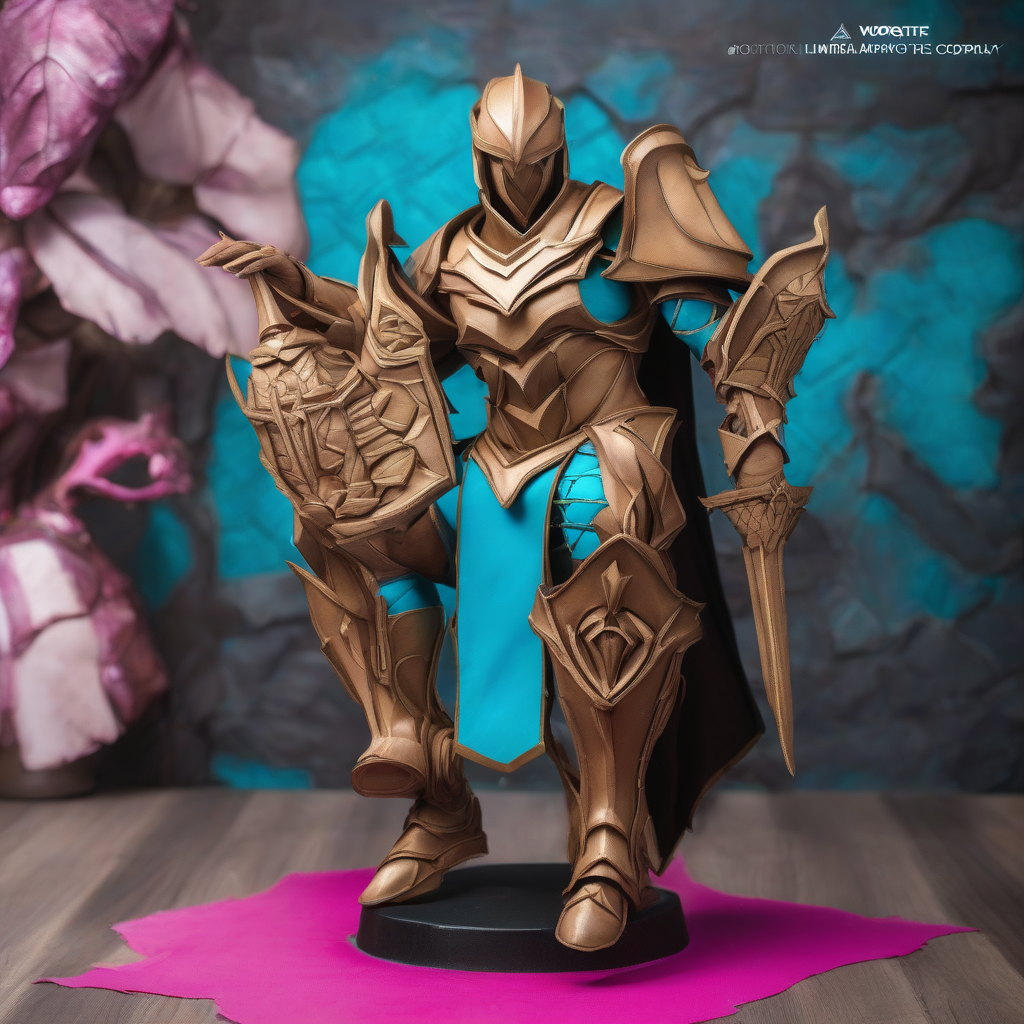

In the world of modern cosplay, synthetic materials like EVA foam, Worbla, and 3D-printed resin dominate the landscape. While these materials offer unparalleled structural consistency, they often struggle to capture the raw, untamed aesthetic required for druids, forest spirits, or post-apocalyptic scavengers. To truly bring a character from the woods or the wasteland to life, you must look toward the source: nature itself. Integrating organic materials like leaves, twigs, and bark into your builds provides a level of hyper-realistic texture that paint and weathering techniques simply cannot replicate.
Sourcing and Preparing Organic Materials
Before you begin gluing sticks to your pauldrons, you must ensure your materials are preserved and stable. Raw organic matter will decay, attract pests, or become brittle over time if not treated correctly. The goal is to remove moisture and replace it with a stabilizing agent.
- Twigs and Branches: Select hardwood branches rather than softwoods, as they are less likely to snap. Bake your branches in a low-heat oven (around 200°F/95°C) for two hours to kill any hitchhiking insects and drive out excess moisture.
- Leaves: For a pliable, long-lasting leaf, use a glycerin preservation method. Mix one part vegetable glycerin with two parts water. Submerge fresh leaves in the solution for 3–5 days until they feel soft and leathery. Pat them dry and press them between heavy books for 24 hours to ensure they lay flat against your armor.
- Bark: Birch or pine bark can be harvested from fallen logs. Clean the underside with a wire brush to remove soft, rotting tissue, then seal the exterior with a matte spray varnish to prevent flaking.
Structural Integration and Adhesion
The biggest mistake new builders make is attempting to use hot glue for everything. While hot glue is fast, it is often too thick and creates unsightly "strings" that ruin the organic illusion. For natural materials, you need a more refined approach to adhesion.
When attaching twigs to foam armor, use a contact cement or a high-quality cyanoacrylate (super glue) gel. If you are layering leaves over a large surface, use a spray adhesive designed for textiles or floral arrangements. This allows for a thin, even coat that won't soak through the leaf structure. For heavier items like bark or thick branches, create a "mechanical key" by drilling small holes into the foam or wood and using a heavy-duty epoxy to bridge the gap, effectively pinning the organic piece to the base.
Creating "Living" Armor Textures
Once your materials are prepped, the key to a professional look is layering. Do not simply glue a leaf to a flat surface; treat the organic material as part of the character's history. If you are building a forest-themed breastplate, start by painting your foam base with a dark, earthy base coat.
Begin layering your twigs and bark at the edges of the armor, overlapping them as if they are growing out of the seams. Use moss (preserved reindeer moss is excellent for this) to fill in the gaps between the twigs and the foam. This transition zone is where the "magic" happens. By blending the organic material into the synthetic base with moss or lichen, you hide the transition point and make the armor look like it was forged by the forest itself.
Weathering and Sealing the Build
Organic materials look out of place if they are too pristine. A bright green leaf on a battle-worn suit of armor will look like a prop rather than a piece of gear. You must harmonize the colors of your natural materials with your paint job.
Use a watered-down acrylic wash to tint your leaves and twigs. A dark brown or black wash will sink into the veins of the leaves and the crevices of the bark, adding depth and shadow. Once the wash is dry, apply a matte sealant. This is non-negotiable. Organic materials have a natural sheen that can look plasticky under bright convention hall lights. A heavy-duty matte spray varnish will unify the sheen of the foam and the organic elements, making them look like a single, cohesive material.
Durability and Convention Considerations
Convention floors are harsh environments. Between tight crowds and long hours of wear, delicate organic materials are prone to breakage. To ensure your build survives the weekend, consider these practical tips:
- Reinforce High-Contact Areas: If you are wearing a piece with protruding twigs, make sure they are not in areas where you will be bumping into other cosplayers (like the outer edges of pauldrons).
- Weight Distribution: Natural materials can become surprisingly heavy when combined with adhesives. Keep your heavy bark pieces centered on your torso or hips to avoid neck strain.
- The "Emergency Kit": Always carry a small container of super glue and a few spare leaves or twigs. If a piece snaps off in the crowd, you can perform a quick repair in the bathroom or at the repair station.
Ethical Harvesting and Sustainability
As cosplayers, we should aim to be stewards of the environments we draw inspiration from. Never strip bark from living trees, as this can introduce disease or kill the tree. Stick to fallen branches, twigs found on the forest floor, and leaves that have recently dropped. If you are foraging, be mindful of local park regulations—many state and national parks prohibit the removal of natural items. When in doubt, purchase preserved foliage from a craft store; these are often treated to be fire-retardant, which is an added bonus for safety in crowded convention halls.
By stepping outside the comfort zone of foam and plastic, you open up a world of texture that adds narrative weight to your cosplay. Whether you are adding a subtle touch of moss to a seam or creating a full suit of bark-plated armor, nature provides the most authentic details available. Experiment, preserve carefully, and let the forest become your workshop.