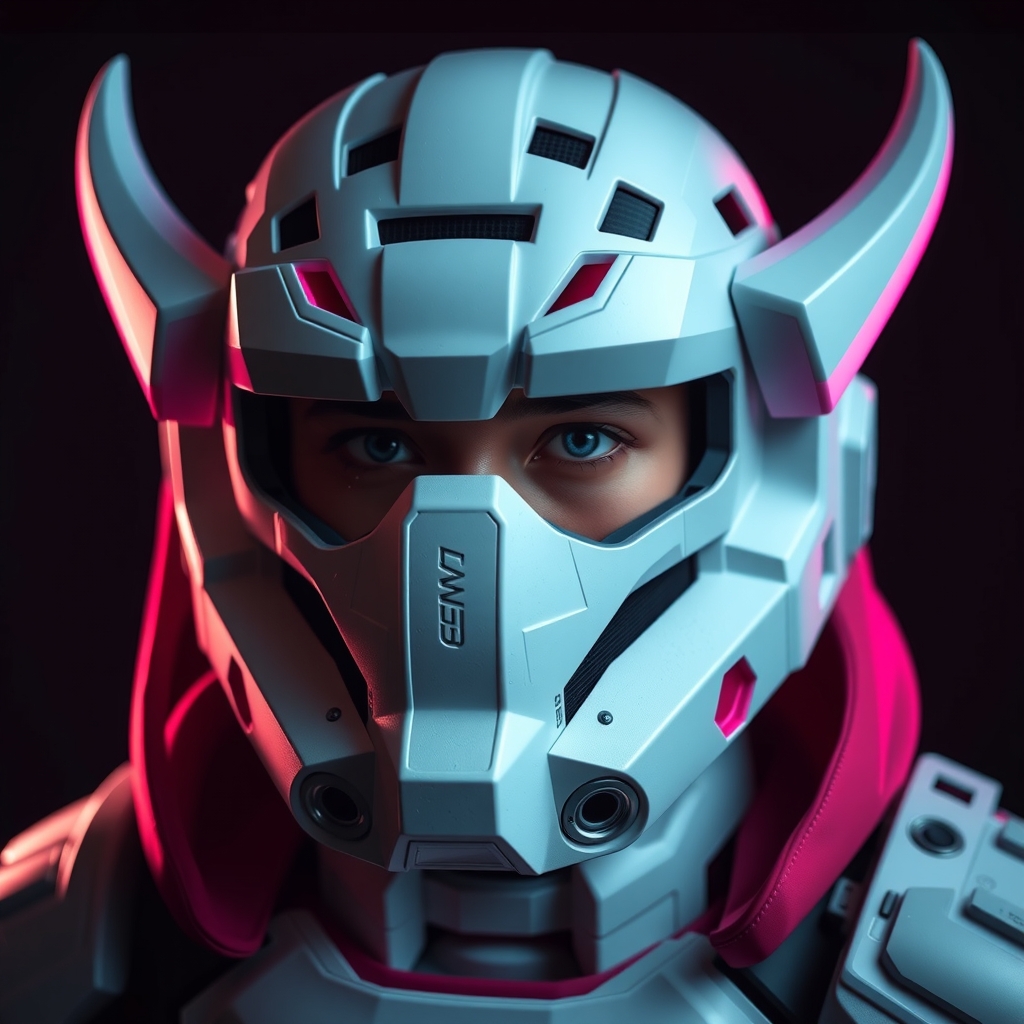

Introduction to 3D Printing in Cosplay
As a cosplayer, you're constantly looking for ways to improve your craft and bring your characters to life. One of the most exciting developments in recent years is the use of 3D printed materials in cosplay. From intricate props to detailed armor pieces, 3D printing offers a level of precision and complexity that's hard to achieve with traditional crafting methods. In this guide, we'll walk you through the basics of working with 3D printed materials and show you how to get started with this game-changing technology.
Understanding 3D Printing Basics
Before you start working with 3D printed materials, it's essential to understand how 3D printing works. In a nutshell, 3D printing is a process of creating physical objects from digital designs by layering materials such as plastics, metals, and ceramics. There are several types of 3D printing technologies, including Fused Deposition Modeling (FDM), Stereolithography (SLA), and Selective Laser Sintering (SLS). For cosplay, FDM is the most accessible and affordable option.
Types of 3D Printed Materials
When it comes to 3D printing, the type of material used can greatly affect the final result. Here are some common materials used in 3D printing:
- PLA (Polylactic Acid): A biodegradable and non-toxic plastic commonly used for FDM printing. PLA is easy to work with and produces minimal warping.
- ABS (Acrylonitrile Butadiene Styrene): A strong and impact-resistant plastic often used for making durable parts. ABS can be tricky to work with, but it's ideal for pieces that need to withstand heavy use.
- PETG (Polyethylene Terephthalate Glycol): A versatile and strong plastic that's easy to work with. PETG is a great all-around material for cosplay props and accessories.
Designing and Slicing Your 3D Model
To create a 3D printed object, you'll need a digital design file. You can either create your own design using software like Blender or Tinkercad, or download a pre-made model from online repositories like Thingiverse or MyMiniFactory. Once you have your design file, you'll need to slice it into layers using a slicer software like Cura or Slic3r. This process converts your 3D model into a set of instructions that your 3D printer can understand.
Tips for Designing Cosplay Pieces
When designing cosplay pieces, keep the following tips in mind:
- Keep it simple: Don't try to print complex pieces that may be difficult to assemble or require a lot of support material.
- Scale it up: Make sure your design is scaled to the correct size for your cosplay.
- Consider texture and detail: Add texture and detail to your design to make it more realistic and visually interesting.
Post-Processing and Finishing
Once you've printed your 3D model, you'll need to post-process and finish it to achieve a professional-looking result. This can include:
- Sanding: Smoothing out rough edges and surfaces.
- Painting: Adding color and texture to your piece.
- Assembling: Gluing or mechanically fastening multiple parts together.
Common Post-Processing Techniques
Here are some common post-processing techniques used in cosplay:
- Primer and paint: Use a primer to create a smooth surface for painting, and then apply acrylic or enamel paint to achieve a realistic finish.
- Decals: Apply decals or stickers to add small details or logos to your piece.
- Weathering: Use weathering techniques like drybrushing or washes to add wear and tear to your piece.
Conclusion and Resources
Working with 3D printed materials can seem intimidating at first, but with practice and patience, you can create stunning cosplay pieces that elevate your craft. For more information and resources on 3D printing and cosplay, check out:
- Thingiverse: A vast repository of 3D models and designs.
- Cosplay.com: A community-driven cosplay resource with tutorials, guides, and inspiration.
- YouTube 3D Printing Cosplay Tutorials: A wealth of video tutorials and guides on 3D printing and cosplay.