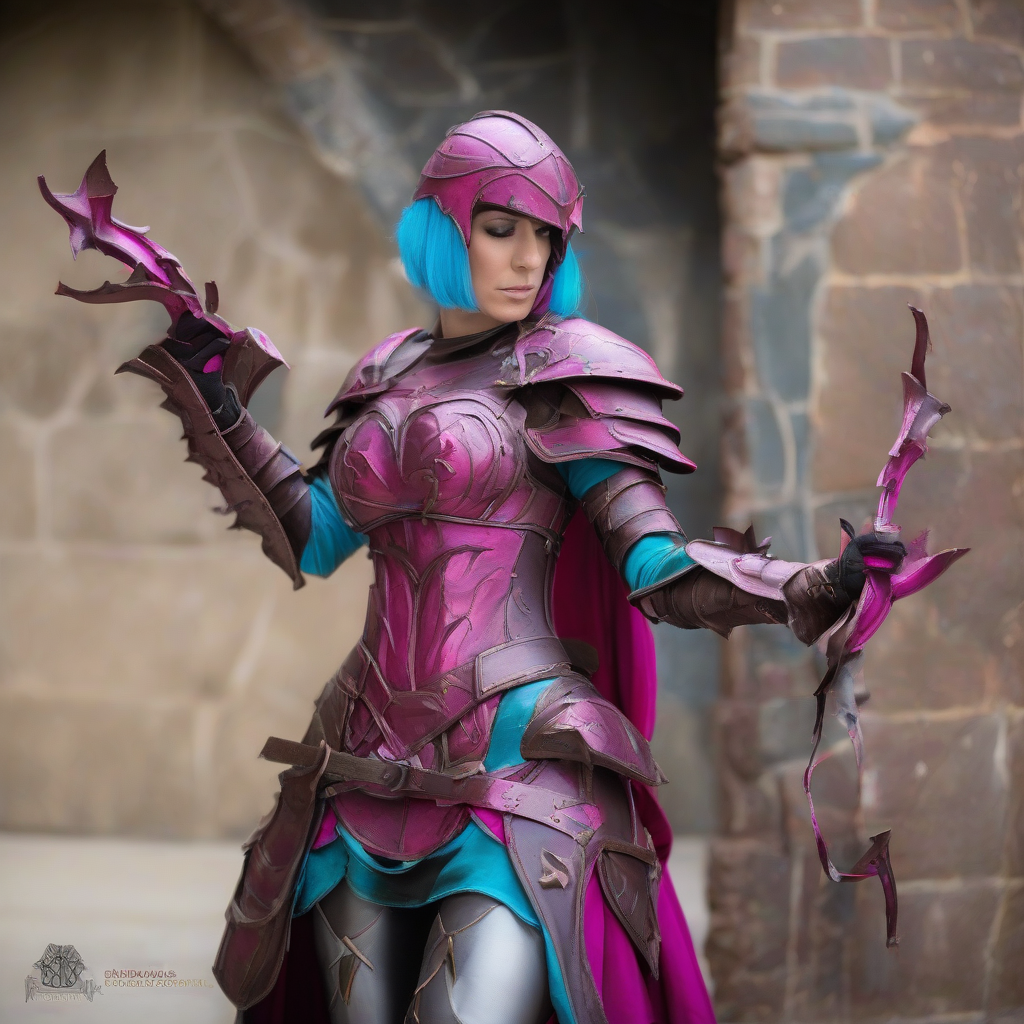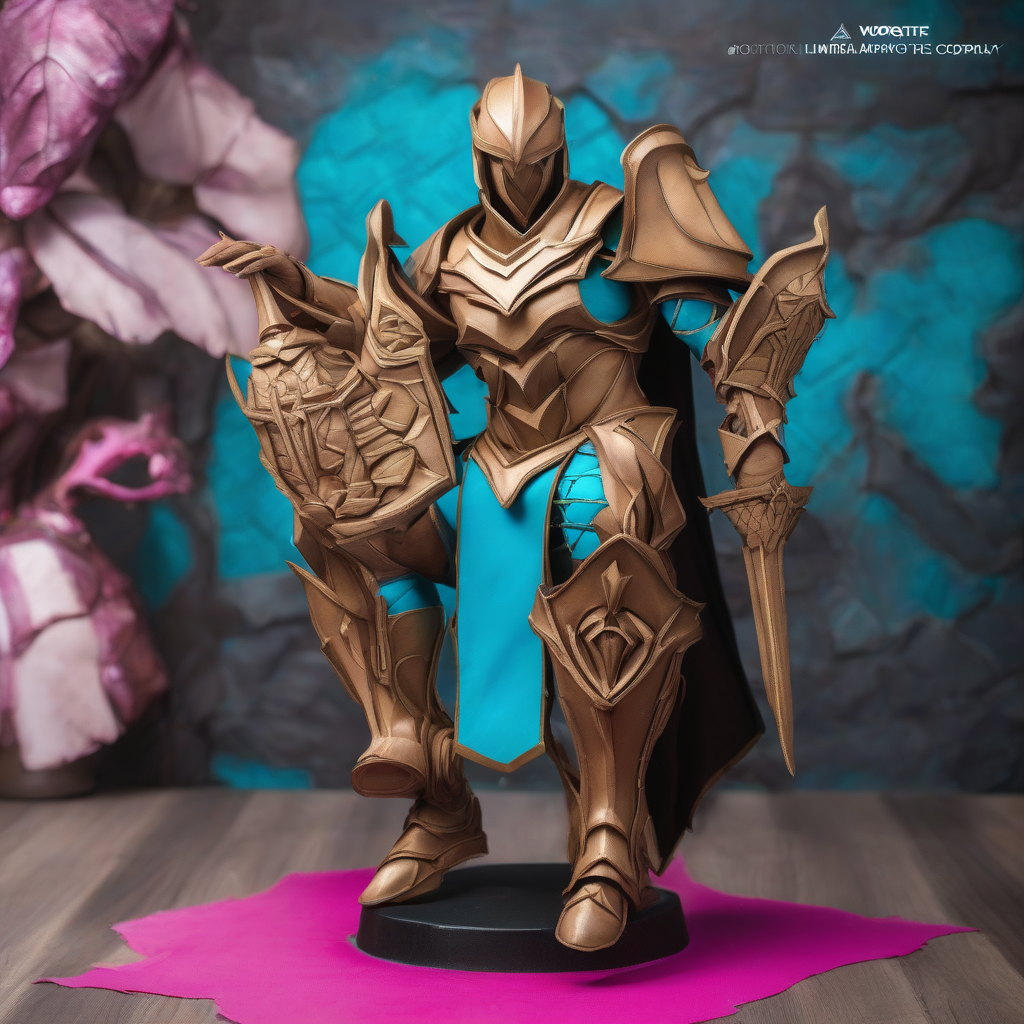

The armor sets of the Dark Souls series are defined by a singular, haunting aesthetic: the weight of history, the erosion of time, and the grit of constant combat. While standard EVA foam can create a silhouette, the "Souls-like" look demands more than a smooth, uniform surface. To truly elevate a build—whether it is the iconic Elite Knight Set or the jagged, organic chaos of Artorias the Abysswalker—you must look beyond the craft store aisle and source materials that carry their own inherent texture and history.
The Philosophy of "Found" Texture
The most successful Dark Souls cosplays often succeed because the builder has mastered the art of mixed-media construction. When sourcing for these builds, your goal is to find materials that mimic the appearance of oxidized iron, hammered bronze, and weathered leather without requiring excessive painting. Look for materials that possess a natural "tooth" or grain. If a material looks too perfect or too clean, it will immediately break the immersion of a character who has been trudging through the Undead Burg for centuries.
Sourcing Heavy-Duty Industrial Textiles
Dark Souls armor is rarely just metal; it is layered over gambesons, chainmail, and heavy leathers. For the base layers, avoid cheap costume-grade polyester. Instead, source heavy-duty industrial fabrics that provide the necessary drape and weight.
- Waxed Canvas: Ideal for cloaks and tunics. It holds creases and takes on a distressed look naturally as you wear it. Sources like specialized upholstery suppliers often carry remnants that are perfect for smaller panels.
- Heavyweight Burlap and Jute: When layered under armor, these materials provide the "dirty" look essential for the series. Look for "tight-weave" jute, which is more durable and less prone to unraveling than standard craft-store burlap.
- Industrial Felt: Used as a backing for armor straps or as a structural element for hoods, high-density industrial felt provides a thickness that foam cannot replicate.
Metallurgy Without the Metal: Specialized Coatings
To achieve the look of rusted or ancient steel, you need materials that react to weathering. Instead of relying solely on metallic spray paints, source reactive finishes that allow you to "grow" your own rust.
- Iron-Infused Paints: Products like "Modern Masters" or similar metallic iron paints contain actual iron particles. Once applied, you can use an oxidizing solution to force real rust to bloom on your armor pieces.
- Textured Additives: Look for "fine-grade" sand or volcanic ash additives to mix into your base coats. This creates a pitted, cast-iron texture that catches light and shadow, mimicking the look of archaic, hand-forged equipment.
- Sculpting Epoxy Putty: For the intricate filigree found on the armor of Gwyn’s Knights, avoid hot glue or puffy paint. Use a two-part epoxy putty, such as Apoxie Sculpt, which can be sanded, carved, and textured to look like embossed metal.
The Hunt for Authentic Leather and Hides
Dark Souls is a world of tattered leather straps and worn-out greaves. When sourcing leather, prioritize "oil-tanned" or "pull-up" leathers. These hides are designed to lighten and show marks when stretched or bent, creating an instant "well-worn" aesthetic. Avoid chrome-tanned leather if you plan on tooling or carving, as it does not hold impressions well. Instead, seek out vegetable-tanned shoulder cuts. For the ragged, torn edges seen on character cloaks, look for "scraps" or "belly cuts" from professional leather suppliers, which are significantly cheaper and often have the natural imperfections required for a decaying world.
Sourcing "Impossible" Materials: 3D Printing Filaments
Some of the more ornate armor pieces in the series, such as the crown of the Dark Sun Gwyndolin, require structural integrity that foam cannot provide. When sourcing filaments for 3D printing these complex shapes, move beyond standard PLA. Consider "Carbon Fiber PLA" or "Wood-fill PLA." These filaments provide a unique matte finish and an inherent texture that, when sanded and dry-brushed, mimics the look of carved stone or ancient, darkened resin far better than smooth, plastic-looking standard PLA.
The Ethics of Scavenging and Upcycling
The most authentic materials for Dark Souls armor are often found in the trash or at estate sales. Look for old, heavy-duty belts, discarded leather jackets, and rusted hardware from vintage furniture. These items carry the "real" wear and tear that a cosplayer would otherwise have to spend hours faking with sandpaper and paint. Scavenging is not just cost-effective; it is the most accurate way to capture the aesthetic of a world that is literally built on the ruins of the past. When you incorporate a buckle from a 1950s satchel into your armor, you are adding a layer of history that a mass-produced plastic buckle simply cannot provide.
Building a Material Library
Finally, stop viewing your materials as singular-use items. Start a "material library" in your workshop. Organize your scraps by texture—rough, smooth, metallic, organic, and fibrous. When you start a new Dark Souls project, lay these materials out next to your reference photos. Often, the best solution for a complex piece of armor is a combination of two or three materials you already have on hand. By treating your sourcing as a long-term curation process rather than a one-time shopping trip, you ensure that every build you undertake feels as heavy, aged, and authentic as the world of Lordran itself.