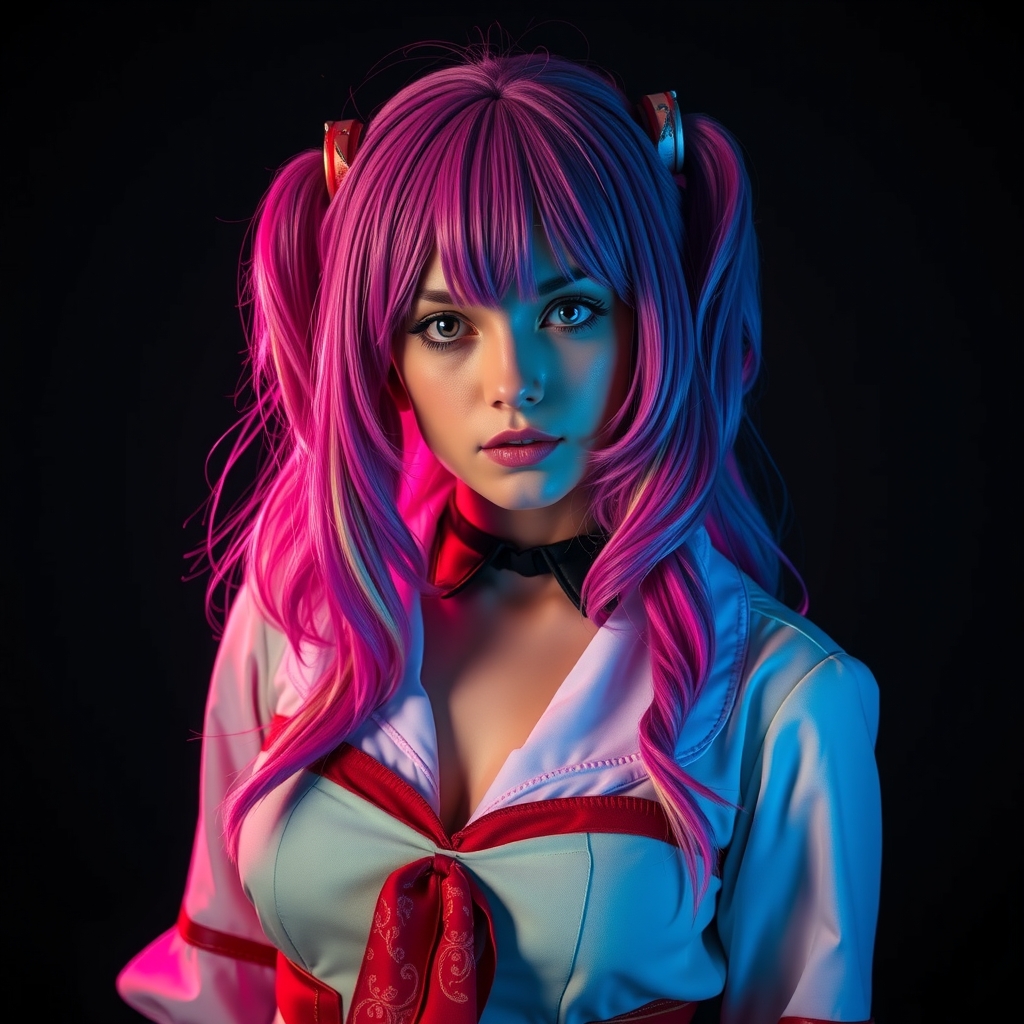
In the evolving landscape of global cosplay, we often see a heavy emphasis on "power" characters—heroes with towering armor, glowing weapons, and high-energy expressions. However, a growing trend in the community, highlighted by the viral success of creators specializing in the "downer-kei" (downer-style) aesthetic, proves that subtlety and mood can be just as captivating as spectacle. The "downer-kei" archetype—characterized by a lethargic, melancholic, or "done with everything" vibe—relies less on complex prop building and more on precise atmospheric storytelling.
Creating a "downer-kei" look is an exercise in restraint. Whether you are cosplaying a specific character known for their apathy or creating an original "downer-style" persona, the goal is to project a sense of heavy eyelids and a detached spirit. Here is how to master the technical and performative aspects of this specific aesthetic.
The Art of the "Tired" Eye: Makeup Techniques
The eyes are the focal point of the downer aesthetic. While traditional cosplay makeup often aims to make eyes look larger and more alert, the downer look requires the opposite: a sense of fatigue and weight.
Creating the Heavy Lid
To achieve the signature "sleepy" look, avoid high-contrast white eyeliner on the waterline, which opens the eye too wide. Instead, use a muted brown or mauve shadow along the lower lash line to create a natural shadow. Gently blending a darker shade into the outer corners and slightly downward can simulate the appearance of exhaustion or sadness.
The Power of Redness
A key element of this style is a subtle "irritated" or "crying" look. Use a soft red or pink eyeshadow or a diluted red liner just below the lower lash line and in the inner corners of the eyes. This suggests a lack of sleep or emotional fragility, adding a layer of vulnerability to the character that resonates with the "downer" archetype.
Matte Finishes and Muted Tones
Avoid heavy glitters or high-shimmer highlighters. The downer aesthetic thrives on a matte, almost washed-out complexion. Use a foundation that matches your skin tone perfectly, but consider a powder that kills the shine, making the skin look flat and pale, which enhances the overall lethargic mood.
Styling for Slouch: Wardrobe and Silhouette
The clothing for a downer-style cosplay should reflect the character's internal state. If the character is "down," their clothes should look like they are weighing them down.
- Oversized Proportions: Opt for clothing that is one or two sizes too large. Oversized hoodies, drooping sweaters, and wide-leg trousers create a silhouette that swallows the wearer, suggesting a desire to hide or a lack of energy to maintain a crisp appearance.
- Fabric Choice: Choose heavy, soft fabrics like thick jersey, fleece, or worn-in denim. Avoid stiff fabrics or starched collars, as these project too much structure and formality.
- The "Unkempt" Detail: Perfection is the enemy of the downer look. Intentionally leave a button undone, let a sock slump down, or allow a sleeve to cover half the hand (the "萌え袖" or moe-sleeve effect). These small imperfections signal a lack of concern for societal norms.
The Physics of Apathy: Posing and Body Language
You can have the perfect costume, but if you stand with a rigid, confident posture, the downer illusion is broken. The "downer-kei" aesthetic is performed primarily through the spine and the shoulders.
The Center of Gravity
Shift your weight. Instead of standing centered, lean against a wall, slump into a chair, or let your shoulders round forward. The goal is to look as though gravity is winning. When posing for photos, avoid straight lines; instead, create "C" curves with your body to emphasize a lack of tension.
Hand Placement and Micro-Expressions
Avoid active hand gestures. Let your arms hang limply at your sides, or tuck your hands into your pockets or oversized sleeves. For facial expressions, the "dead-eyed" look is achieved by relaxing the facial muscles completely. Slightly part your lips and let your gaze drift slightly away from the camera lens rather than staring directly into it, creating a sense of detachment.
Atmospheric Photography and Post-Processing
To truly capture the essence of a downer-style cosplay, the environment and the final edit must support the mood. A bright, saturated photo can clash with a melancholic character.
- Lighting: Seek out soft, diffused light. Overcast days are ideal. If shooting indoors, avoid harsh overhead lights; instead, use a single side-light source to create soft shadows that accentuate the hollows of the cheeks and the weight of the eyelids.
- Color Grading: When editing, lower the saturation and shift the temperature toward the cooler end of the spectrum (blues and greys). Reducing the contrast slightly can give the image a "hazy" or "dreamlike" quality that fits the lethargic theme.
- Composition: Use negative space. Placing the character in the corner of the frame or leaving a large amount of empty space above them can visually represent their feeling of isolation or insignificance.
Final Thoughts on the "Downer" Appeal
The popularity of the downer-kei aesthetic in modern cosplay culture speaks to a shift toward relatability. While we love the escapism of being a powerful superhero, there is a profound connection in portraying the quiet, exhausted, and melancholic side of the human experience. By focusing on the subtleties of makeup, the slouch of a garment, and the weight of a pose, you can transform a simple outfit into a compelling character study.