Introduction to Cinematic Cosplay
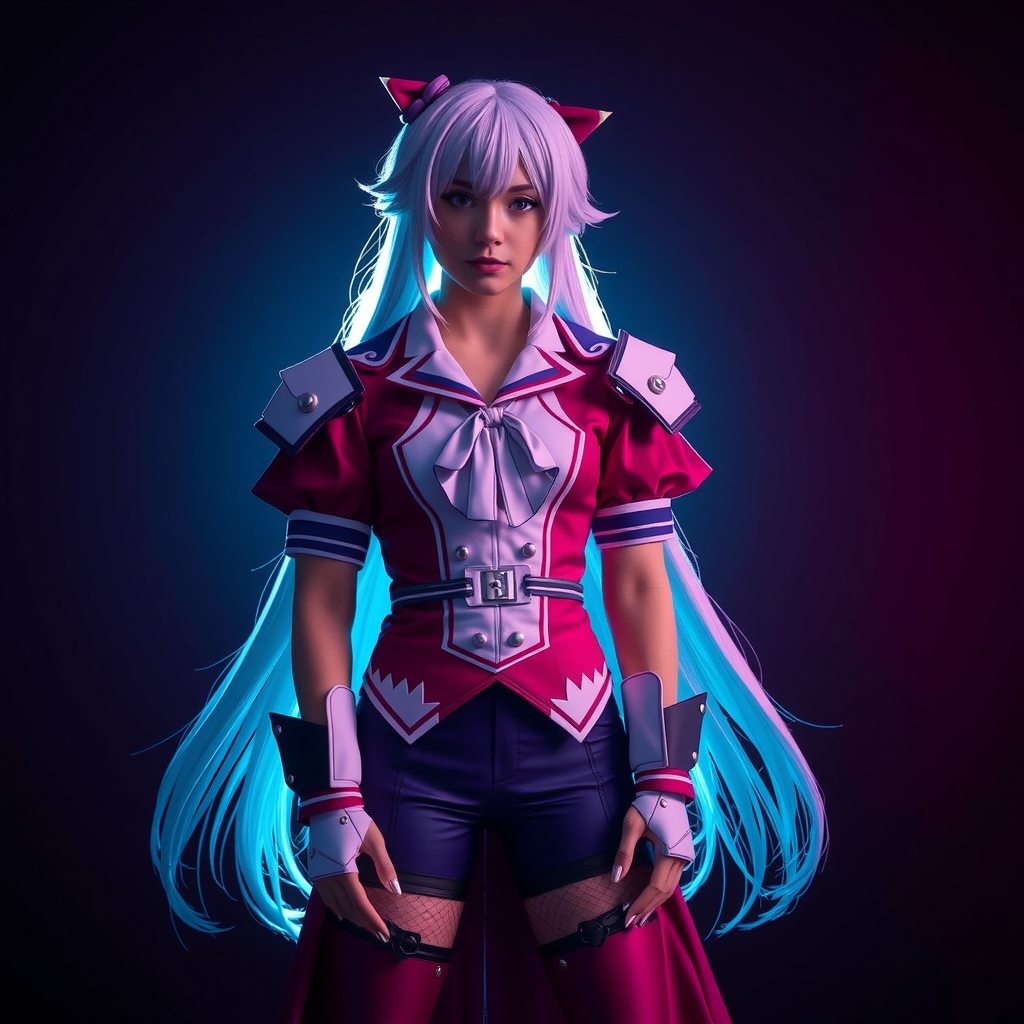
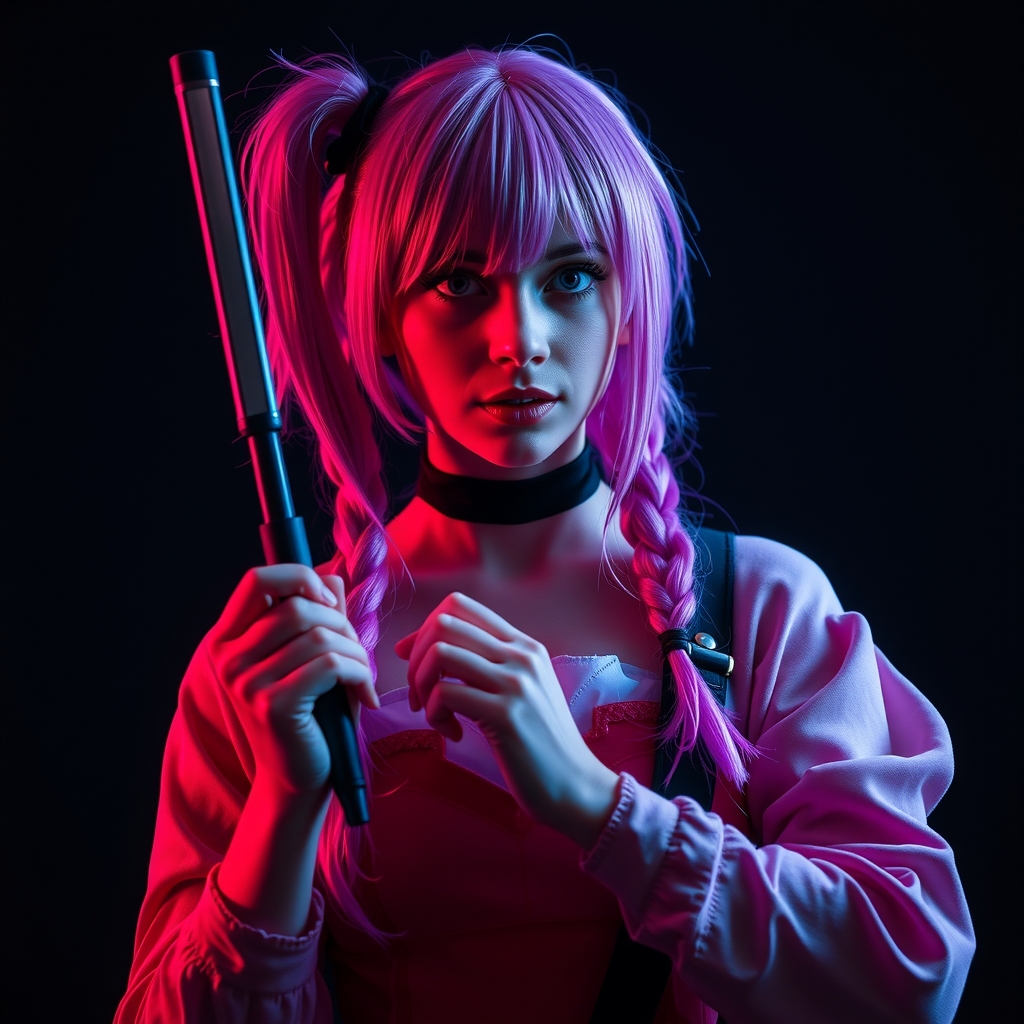
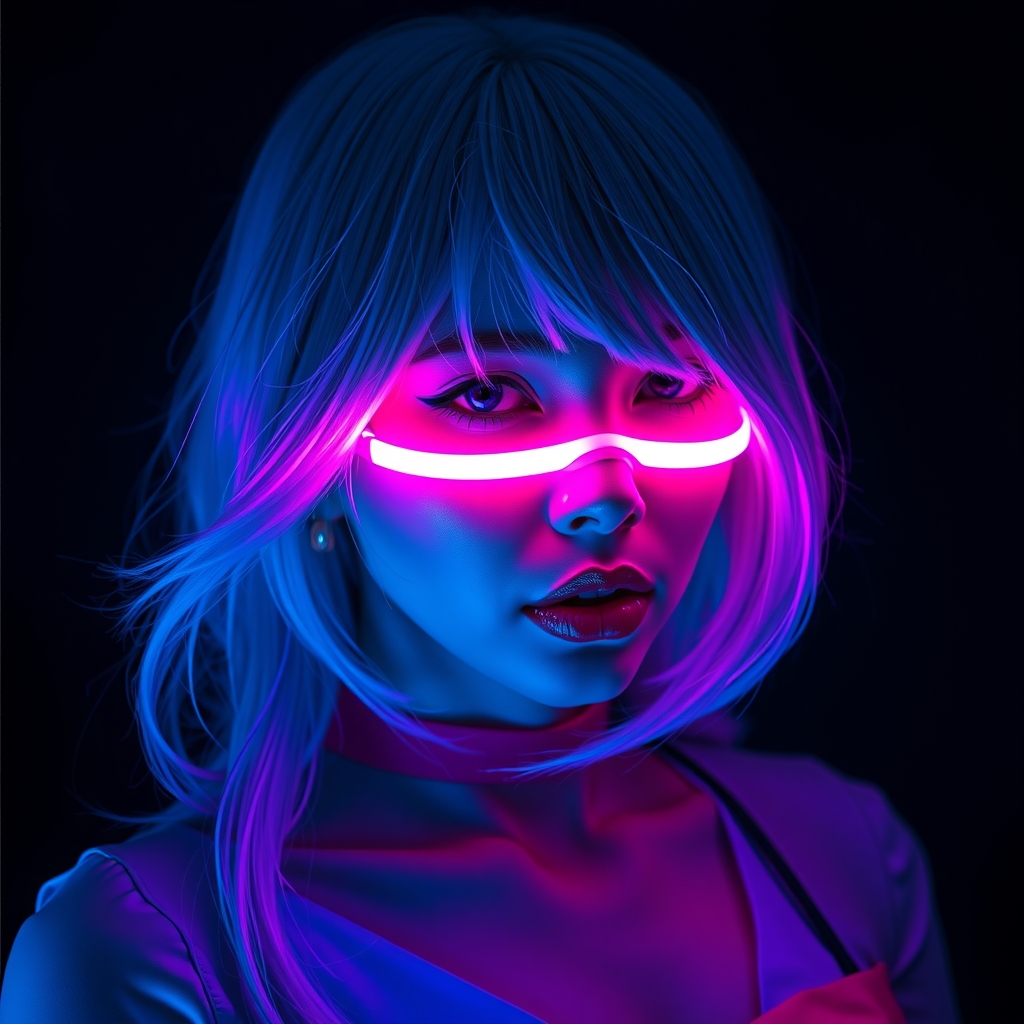
Cosplay has evolved into a highly creative and technical form of self-expression, with many enthusiasts seeking to push the boundaries of what is possible with costume design and prop making. One of the most effective ways to add an extra layer of realism and immersion to your cosplay is through the strategic use of LED lighting and electronics. In this guide, we'll explore the basics of working with LEDs and electronics to achieve cinematic effects that will take your cosplay to the next level.
Understanding the Basics of LED Lighting
LEDs (Light Emitting Diodes) are a popular choice for cosplay lighting due to their energy efficiency, durability, and versatility. When working with LEDs, it's essential to understand the basics of how they operate. LEDs are polarized components, meaning they require a specific voltage and current to function correctly. They come in a range of colors, including RGB (Red, Green, Blue) LEDs, which can be mixed to produce a wide range of colors.
When selecting LEDs for your cosplay project, consider factors such as brightness, color temperature, and beam angle. Brighter LEDs may be necessary for outdoor or well-lit environments, while color temperature can be used to create a specific mood or atmosphere. Beam angle is also crucial, as it determines the spread of the light.
Choosing the Right Electronics for Your Cosplay
To power your LEDs and create complex effects, you'll need to choose the right electronics for your project. Here are some key components to consider:
- Power source: Batteries are a popular choice for cosplay electronics, offering portability and ease of use. Consider factors such as voltage, capacity, and size when selecting a power source.
- Microcontrollers: Microcontrollers, such as Arduino or Raspberry Pi, can be used to create complex lighting effects and patterns. They offer a range of programming options and can be easily integrated into your cosplay.
- LED drivers: LED drivers are designed to regulate the voltage and current supplied to your LEDs, ensuring they operate safely and efficiently.
Designing and Building Cinematic Effects
With the basics of LED lighting and electronics covered, it's time to explore how to design and build cinematic effects for your cosplay. Here are some popular techniques to try:
- Layered lighting: Use layered lighting to create depth and dimension in your cosplay. This can be achieved by using multiple LEDs with different colors and intensities.
- Motion-activated effects: Add an extra layer of interactivity to your cosplay with motion-activated effects. This can be achieved using sensors and microcontrollers.
- Pulsing and fading: Create dynamic effects by pulsing or fading your LEDs. This can be achieved using LED drivers and microcontrollers.
Tips for Safe and Reliable Operation
When working with electronics and LEDs, safety and reliability are paramount. Here are some tips to ensure your cosplay lighting effects operate safely and reliably:
- Use proper insulation and protection: Ensure all electronics and LEDs are properly insulated and protected from moisture and physical damage.
- Follow proper voltage and current guidelines: Ensure you're operating within the recommended voltage and current guidelines for your LEDs and electronics.
- Test and iterate: Thoroughly test your lighting effects and iterate on your design as needed to ensure reliable operation.
Conclusion and Resources
By mastering the basics of LED lighting and electronics, you can take your cosplay to new heights and create immersive, cinematic effects that will leave a lasting impression. For further learning and inspiration, consider exploring online resources, such as tutorials and forums, dedicated to cosplay electronics and LED lighting.