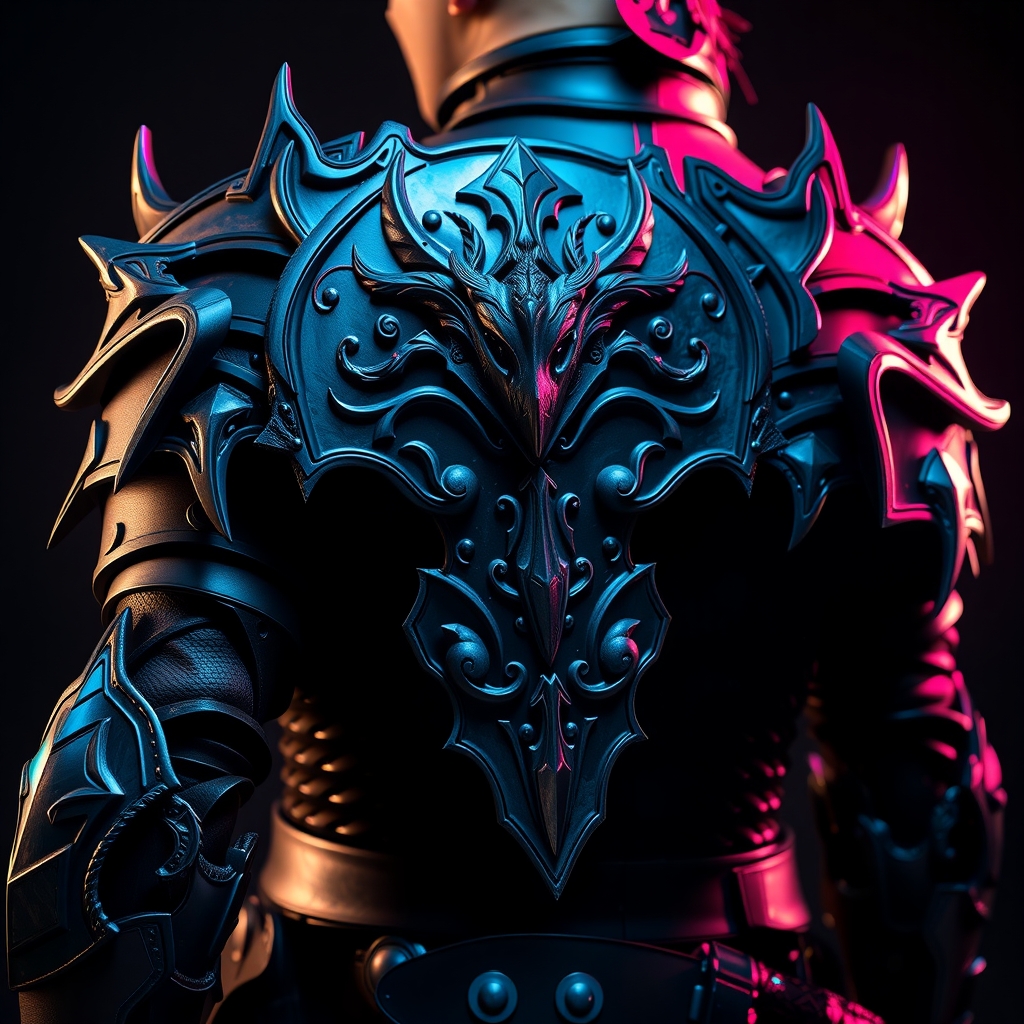

Introduction to Realistic Textures in Cosplay
As cosplayers, we're constantly striving to create more realistic and immersive experiences for ourselves and those around us. One key aspect of achieving this is through the use of realistic textures on our props and costumes. In this guide, we'll explore how to create stunning, lifelike textures using natural materials and resin, taking your gaming cosplay to the next level.
Understanding Texture and Materials
Before diving into the crafting process, it's essential to understand the basics of texture and materials. Texture refers to the surface quality or "feel" of an object, while materials can be anything from fabric and foam to metal and wood. In the context of gaming cosplay, we're often looking to replicate the textures found in video games, such as worn stone, rusty metal, or weathered wood.
Natural Materials for Texture Creation
Natural materials offer a wealth of possibilities for creating realistic textures. Some popular options include:
- Leaves, twigs, and branches for creating organic, earthy textures
- Seashells, pebbles, or sand for beach-inspired textures
- Foam, fabric, or paper for creating worn, weathered effects
These materials can be used as-is or modified to achieve the desired texture. For example, you can crush leaves or twigs to create a more subtle, mottled effect.
Working with Resin
Resin is a versatile material that can be used to create a wide range of textures, from smooth and glossy to rough and matte. There are several types of resin available, including:
- Epoxy resin: A strong, two-part resin ideal for creating durable, long-lasting textures
- Polyurethane resin: A flexible, one-part resin suitable for creating detailed, intricate textures
- Acrylic resin: A fast-drying, water-clear resin perfect for creating transparent or glossy effects
When working with resin, it's essential to follow proper safety protocols, including wearing protective gloves, goggles, and working in a well-ventilated area.
Crafting Realistic Textures with Natural Materials and Resin
Now that we've covered the basics of texture and materials, let's dive into the crafting process. Here's a step-by-step guide to creating realistic textures using natural materials and resin:
Step 1: Prepare Your Materials
Begin by gathering your natural materials and resin. Clean and dry your materials thoroughly, and prepare your resin according to the manufacturer's instructions.
Step 2: Create a Base Texture
Using your natural materials, create a base texture on your prop or costume. This can be as simple as applying a layer of leaves or twigs to a surface, or as complex as crafting a intricate design using foam or fabric.
Step 3: Apply Resin
Once your base texture is in place, apply a layer of resin to seal and enhance the texture. You can use a brush or pouring technique to apply the resin, depending on the desired effect.
Step 4: Add Additional Details
Once the resin has cured, you can add additional details to your texture using paint, markers, or other materials. This is a great opportunity to add subtle nuances and depth to your texture.
Tips and Tricks for Realistic Textures
Here are a few tips and tricks to keep in mind when crafting realistic textures with natural materials and resin:
- Experiment with different materials and techniques to achieve unique textures
- Pay attention to scale and proportion when applying textures to your prop or costume
- Don't be afraid to iterate and refine your texture until you achieve the desired effect
Conclusion
Crafting realistic textures with natural materials and resin is a powerful way to elevate your gaming cosplay and create immersive, lifelike experiences. By understanding the basics of texture and materials, and following the steps outlined in this guide, you can take your props and costumes to the next level and bring your favorite games to life.
For more information on working with resin and natural materials, check out the following resources:
- Resinology: A comprehensive resource for resin enthusiasts
- Cosplay.com: A community-driven resource for cosplayers