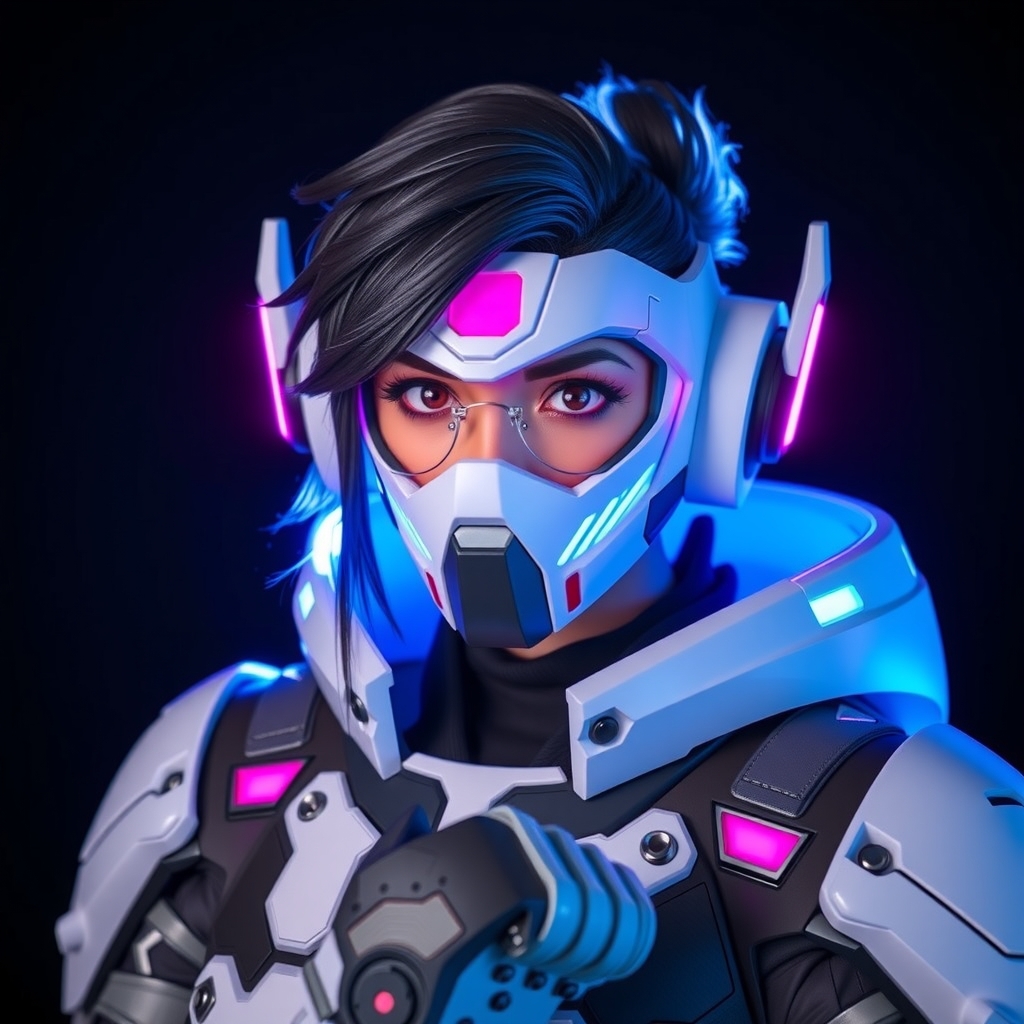
Introduction to 3D Printing in Cosplay
Overwatch, a vibrant and dynamic universe, has captured the hearts of gamers and cosplayers alike. The game's diverse cast of heroes, each with unique abilities and aesthetics, offers endless inspiration for creative expression. One of the most impactful techniques in modern cosplay is 3D printing, allowing for the creation of complex and precise replicas of in-game items. This guide will walk you through the process of creating Overwatch cosplay pieces using 3D printing, focusing on the technical and practical aspects of bringing these iconic items to life.
Designing Your Prop
The first step in creating a 3D printed Overwatch cosplay piece is finding or designing a digital model. Websites like Thingiverse, MyMiniFactory, and GrabCAD offer a wide range of free and paid models, including those from the Overwatch universe. For more specific or detailed designs, consider reaching out to the cosplay community or professional model makers who specialize in Overwatch props.
When selecting or creating a model, consider the following factors:
- Scale: Ensure the model is scaled appropriately for your needs. Some models might be designed for display rather than wearable use.
- Complexity: Assess the model's complexity and your ability to print and finish it. More complex models may require advanced printing and post-processing skills.
- Material: Think about the intended material for printing. Different materials have different properties that can affect the final product's durability, weight, and appearance.
Preparing for 3D Printing
Once you have your model, it's essential to prepare it for 3D printing. This involves:
- Slicing: Use slicing software (like Cura, Slic3r, or Simplify3D) to convert your 3D model into a format that your 3D printer can understand (G-code). Adjust settings like layer height, infill density, and support material according to your printer's capabilities and the model's requirements.
- Orientation: Orient the model in a way that minimizes the need for support material and optimizes print quality.
- Scaling: If necessary, adjust the model's scale to fit your needs, keeping in mind the printer's build volume.
Experimenting with different print settings can significantly impact the final result. It's advisable to start with a smaller test print to ensure your settings are optimal.
Choosing the Right 3D Printing Technology and Materials
There are several 3D printing technologies, including Fused Deposition Modeling (FDM), Stereolithography (SLA), and Selective Laser Sintering (SLS), each with its advantages and limitations. FDM is widely used for cosplay due to its accessibility and cost-effectiveness, while SLA and SLS offer higher resolution and detail.
Materials range from PLA and ABS for FDM printing, known for their ease of use and durability, to resin for SLA printing, which provides high detail and smooth surface finishes. The choice of material can affect the prop's weight, durability, and appearance.
Post-Processing and Finishing
After printing, your prop will likely require post-processing to achieve a professional finish. This can include:
- Sanding: Smoothing out layer lines and imperfections.
- Painting: Applying paint and other finishes to match the in-game appearance.
- Assembly: If your prop consists of multiple parts, consider adhesives, screws, or magnetic attachments for assembly.
For a more authentic look, research the in-game textures and colors. Reference images from different angles can help ensure accuracy.
Tips for Wearability and Safety
When creating wearable cosplay pieces, consider factors like weight, comfort, and safety. Ensure that any wearable item is secure and does not obstruct movement or vision. For electronics or props that emit light or sound, follow proper safety precautions to avoid injury or damage.
Conclusion
Creating Overwatch cosplay with 3D printing combines technical skill with creative expression, allowing fans to bring their favorite heroes to life in a tangible way. By understanding the process of design, printing, and finishing, cosplayers can produce high-quality props that showcase their dedication and craftsmanship. Whether you're a seasoned cosplayer or just starting out, the world of 3D printing offers a wealth of possibilities for creative exploration and innovation.