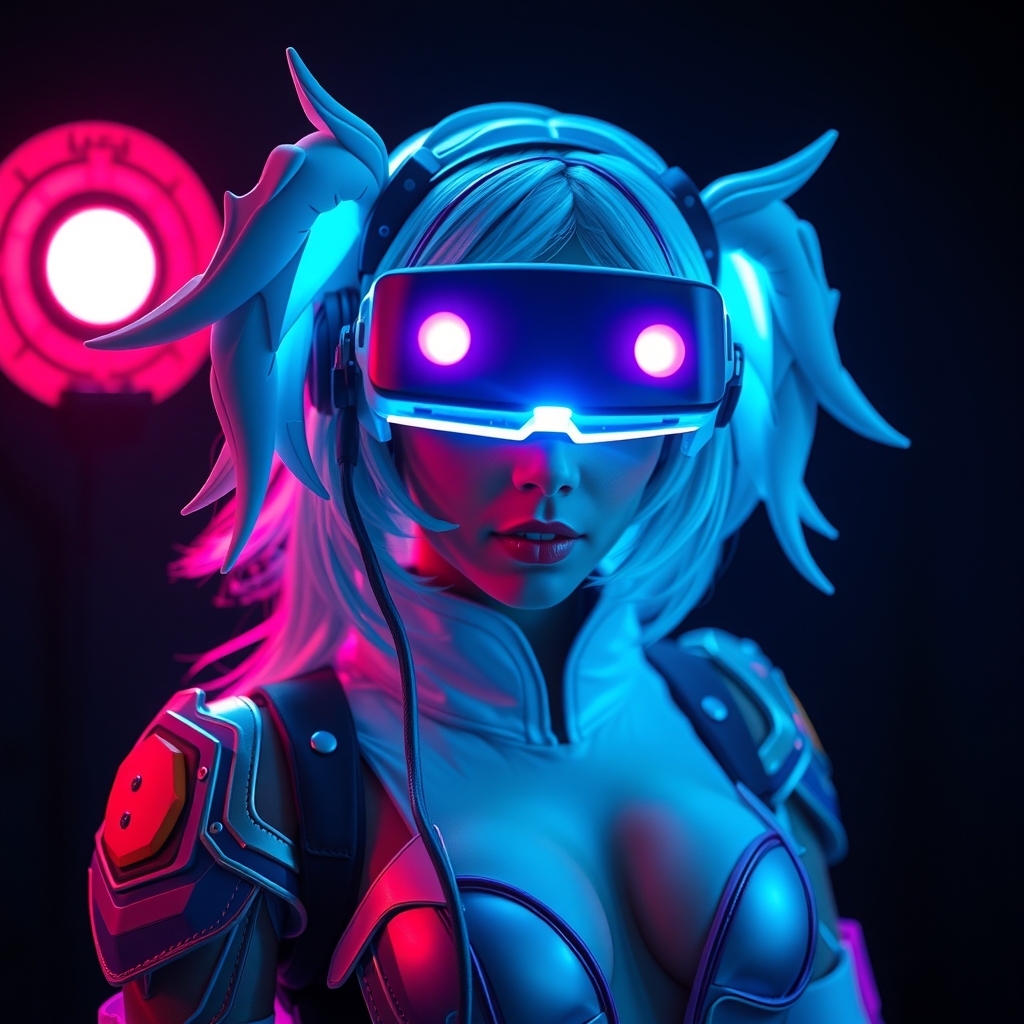
Introduction to Immersive Cosplay Environments
As cosplayers, we're constantly pushing the boundaries of creativity and innovation. One way to take your craft to the next level is by creating immersive environments that transport viewers into the world of your favorite video game. LED lighting is a powerful tool for achieving this goal, allowing you to craft dynamic, interactive, and breathtakingly realistic settings that draw people in and refuse to let go.
Understanding the Basics of LED Lighting for Cosplay
Before diving into the world of LED lighting, it's essential to understand the basics. LEDs (Light Emitting Diodes) are semiconductor devices that emit light when an electric current passes through them. They're energy-efficient, durable, and come in a wide range of colors, making them perfect for cosplay applications.
When working with LEDs, you'll need to consider a few key factors:
- Color temperature: Measured in Kelvin (K), this determines the color of the light emitted. Common temperatures include warm white (2700K-3000K), cool white (3500K-5000K), and RGB (red, green, blue) for color-changing effects.
- Lumen output: This measures the light's brightness, with higher lumens indicating greater intensity.
- Power requirements: LEDs typically require a low voltage (3-12V) and a current-limiting resistor to prevent damage.
Choosing the Right LED Components
With so many LED options available, selecting the right components can be overwhelming. Here are some popular choices for cosplay:
- SMD LEDs (Surface Mount Device): Compact, versatile, and easy to integrate into props and costumes.
- COB LEDs (Chip-on-Board): Provide a high lumen output and are often used for larger-scale lighting effects.
- EL wire (Electroluminescent wire): Flexible, thin, and perfect for creating intricate designs and outlines.
Designing Your Immersive Environment
A well-designed environment is crucial for creating an immersive experience. Consider the following steps:
- Reference gathering: Collect reference images and inspiration from the video game, concept art, or real-world environments.
- Storyboarding: Sketch out your design, taking into account the space, lighting, and interactive elements.
- Prototyping: Test and refine your design using mockups, breadboards, or small-scale prototypes.
Integrating LED Lighting into Your Environment
Once you have a solid design, it's time to bring it to life with LED lighting. Here are some techniques to get you started:
- Ambient lighting: Use soft, diffused light to create a sense of atmosphere and setting.
- Accent lighting: Highlight specific features or details using focused beams of light.
- Interactive effects: Incorporate sensors, microcontrollers, or programmable LEDs to create dynamic, responsive lighting.
Tips and Tricks for Working with LEDs
Working with LEDs can be challenging, but with a few insider tips, you'll be well on your way to creating stunning effects:
- Use a diffuser: Soften harsh light and reduce glare with diffusers, such as frosted glass or acrylic.
- Test and iterate: Verify your design works as intended and make adjustments as needed.
- Consider power management: Plan for power sources, cables, and connectors to ensure a clean, reliable setup.
Conclusion and Resources
Creating immersive video game-inspired cosplay environments with LED lighting requires creativity, experimentation, and practice. By understanding the basics of LED lighting, choosing the right components, and designing with intention, you'll be able to craft breathtaking settings that transport viewers into new worlds.
For further learning and inspiration, explore online resources, such as:
- Instructables: A wealth of DIY tutorials and projects, including LED-related content.
- r/LED: A community-driven forum for discussing LED-related projects and techniques.
- Cosplay.com: A comprehensive resource for cosplayers, featuring tutorials, guides, and community showcases.