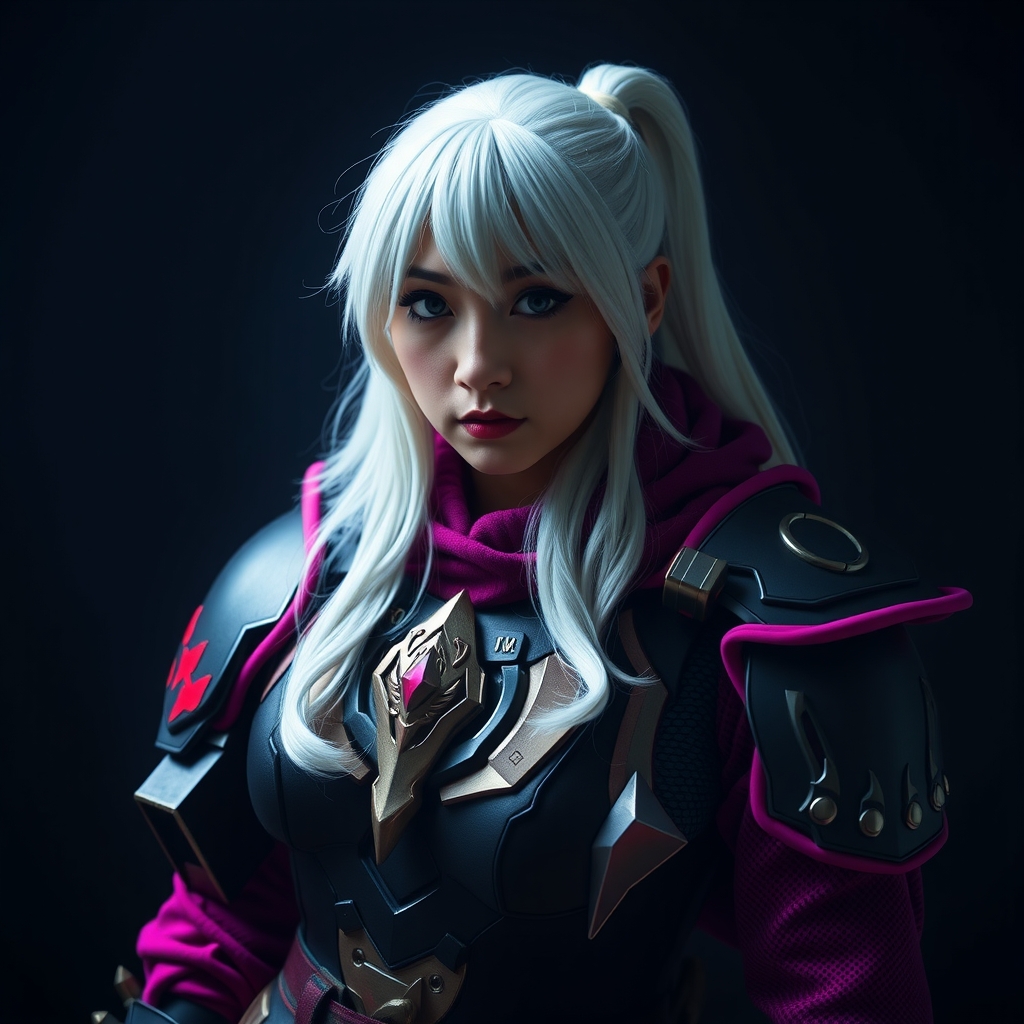

Introduction to Cosplay Fabric
Choosing the right fabric for your cosplay project can be overwhelming, especially for beginners. With so many types of fabrics available, it's essential to understand the basics of each material to ensure your costume looks its best. In this guide, we'll cover the fundamental types of fabrics, their characteristics, and provide tips for working with different materials.
Understanding Fabric Types
Fabrics can be broadly categorized into three main types: natural, synthetic, and blended. Natural fabrics are made from plant or animal fibers, such as cotton, silk, and wool. Synthetic fabrics, on the other hand, are created from man-made materials like polyester, nylon, and spandex. Blended fabrics combine natural and synthetic fibers to achieve specific properties.
Natural Fabrics
- Cotton: A popular choice for cosplay, cotton is breathable, soft, and easy to work with. However, it can be prone to wrinkles and may not hold its shape well.
- Silk: Luxurious and smooth, silk is ideal for creating realistic, high-end costumes. However, it can be delicate and requires special care.
- Wool: A great choice for colder climates, wool is warm, durable, and can be used to create textured, dimensional fabrics.
Synthetic Fabrics
- Polyester: A versatile and affordable option, polyester is often used for costumes that require structure and durability.
- Nylon: Strong and resistant to abrasion, nylon is suitable for creating props, accessories, and costumes that require a lot of wear and tear.
- Spandex: Stretchy and flexible, spandex is perfect for creating form-fitting costumes, such as superhero suits or dance costumes.
Blended Fabrics
- Cotton-Polyester Blends: These fabrics combine the comfort of cotton with the durability of polyester, making them an excellent choice for everyday cosplay.
- Rayon: A semi-synthetic fabric made from plant fibers, rayon is soft, drapey, and often used for creating flowing, elegant costumes.
Factors to Consider When Choosing Fabric
When selecting a fabric for your cosplay project, consider the following factors:
- Character's Personality and Style: Choose a fabric that reflects the character's personality, era, and style.
- Costume Design: Consider the costume's design, including its shape, texture, and color.
- Comfort and Wearability: Select a fabric that is comfortable to wear and suitable for the costume's intended use.
- Durability and Maintenance: Think about the fabric's durability and how easy it is to clean and maintain.
Tips for Working with Different Fabrics
Here are some practical tips for working with different fabrics:
- Always Pre-Treat Your Fabric: Wash and dry your fabric before starting your project to ensure it shrinks and behaves as expected.
- Use the Right Needles and Threads: Choose needles and threads that are suitable for your fabric type to avoid damage and ensure a professional finish.
- Work with a Pattern or Template: Use a pattern or template to help you cut and shape your fabric accurately, especially when working with complex designs.
- Don't Be Afraid to Experiment: Try out new fabrics and techniques to develop your skills and create unique, show-stopping costumes.
Conclusion
Choosing the right fabric for your cosplay project can seem daunting, but by understanding the basics of fabric types and considering factors like character style, comfort, and durability, you can make informed decisions and create stunning costumes. Remember to always pre-treat your fabric, use the right needles and threads, and don't be afraid to experiment and try new things.
For more information on cosplay fabric and costume making, check out online resources like Craftsy and Cosplay.com.