
Introduction
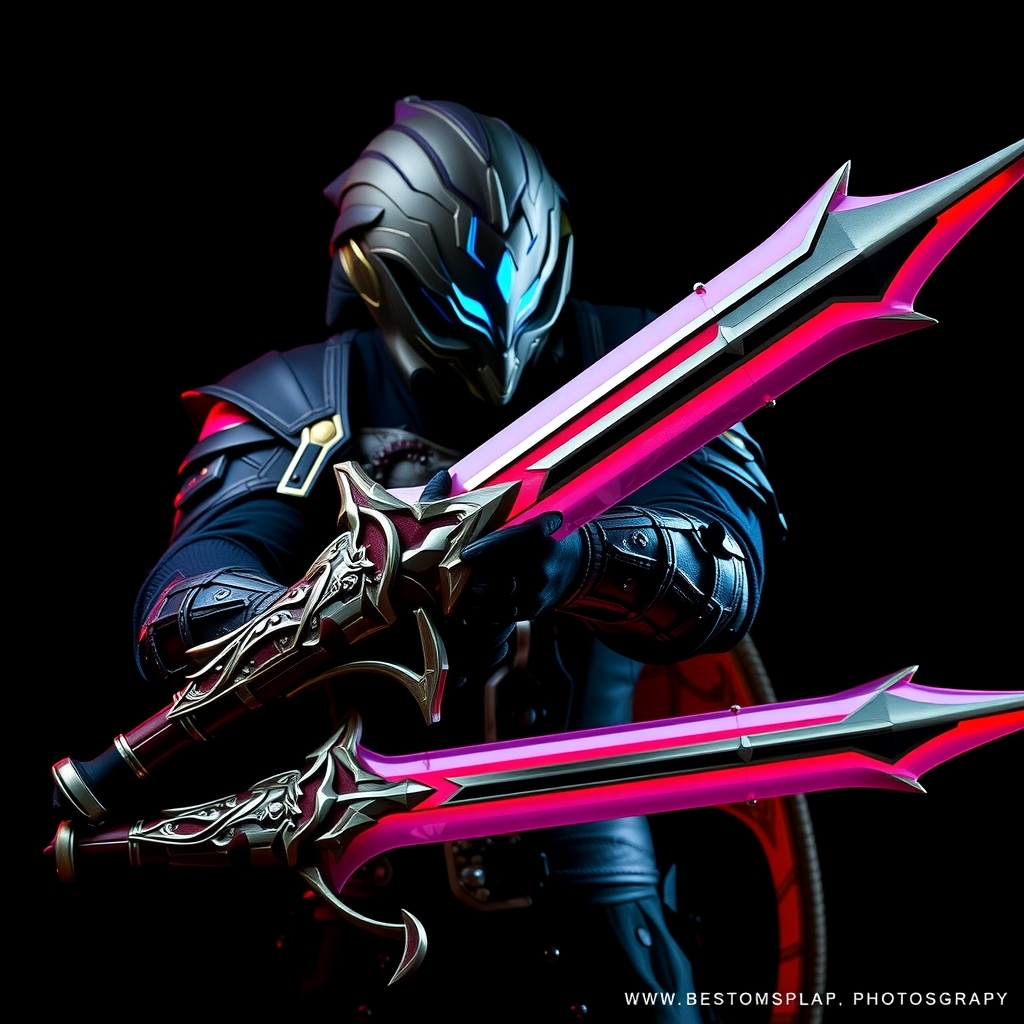
As a cosplayer, creating a high-end gaming costume can be a daunting task, especially when working with a limited budget. However, with a little creativity and resourcefulness, you can achieve a stunning look without overspending. One of the most effective ways to save money is to repurpose household items as materials for your costume. In this article, we'll explore 10 innovative material swaps to help you create a high-end gaming costume on a budget.
The Art of Material Swapping
Material swapping is a technique used by many cosplayers and prop-makers to find alternative materials for creating costume pieces. This approach not only saves money but also encourages creativity and problem-solving. By thinking outside the box and experimenting with different materials, you can achieve a unique and high-end look without breaking the bank.
10 Innovative Material Swaps for Gaming Costumes
- Cardboard and paper mache for armor: Instead of using expensive Worbla or thermoplastic, try using cardboard and paper mache to create armor pieces. You can glue cardboard shapes together and cover them with paper mache for a sturdy and lightweight finish.
- Foam tape for weathering: Foam tape can be used to create textured, weathered effects on your costume. Simply apply the tape to the desired area and paint over it for a realistic look.
- Old CDs for metallic accents: Use old CDs to create metallic accents for your costume. Cut out shapes or strips from the CDs and attach them to your costume using hot glue or epoxy.
- Wire hangers for framework: Repurpose wire hangers to create framework for your costume pieces, such as wings or helmets. Simply unbend the hanger and shape it to the desired form.
- Cardboard tubes for tubing and piping: Use cardboard tubes from paper towel rolls or toilet paper rolls to create tubing and piping for your costume. You can wrap the tubes with fabric or paint them for a more realistic look.
- Fabric scraps for trim and embellishments: Use fabric scraps to create trim and embellishments for your costume. You can braid, sew, or glue the fabric into intricate designs.
- Styrofoam for prop-making: Styrofoam can be used to create lightweight props, such as swords or shields. Simply cut out the desired shape and sand it down for a smooth finish.
- Old electronics for gadget details: Repurpose old electronics, such as computer parts or phone components, to create gadget details for your costume. You can attach them to your costume using hot glue or epoxy.
- Newspaper for papier-mâché: Use newspaper to create papier-mâché for your costume pieces. Simply soak the newspaper in a mixture of water and glue, and apply it to the desired area.
- PVC pipes for structural elements: Use PVC pipes to create structural elements for your costume, such as frames or supports. Simply cut the pipes to the desired length and attach them using PVC cement.
Tips and Tricks for Successful Material Swapping
When working with household items, it's essential to keep a few things in mind to ensure successful material swapping:
- Experiment and test: Before committing to a material swap, experiment with the material and test its durability and versatility.
- Research and reference: Research the material and its properties to ensure it's suitable for your costume piece. Reference images and tutorials to get inspiration and guidance.
- Be flexible: Be prepared to adapt and adjust your design as needed. Material swapping can be unpredictable, so it's essential to be flexible and creative.
- Pay attention to scale: Make sure the material you choose is proportional to your costume piece. A large or bulky material can overwhelm the design, while a small material may get lost.
Conclusion
Material swapping is a great way to create a high-end gaming costume on a budget. By repurposing household items, you can achieve a unique and stunning look without breaking the bank. Remember to experiment, research, and be flexible when working with new materials, and don't be afraid to try new things. With a little creativity and resourcefulness, you can create a show-stopping gaming costume that will impress at any convention or gathering.