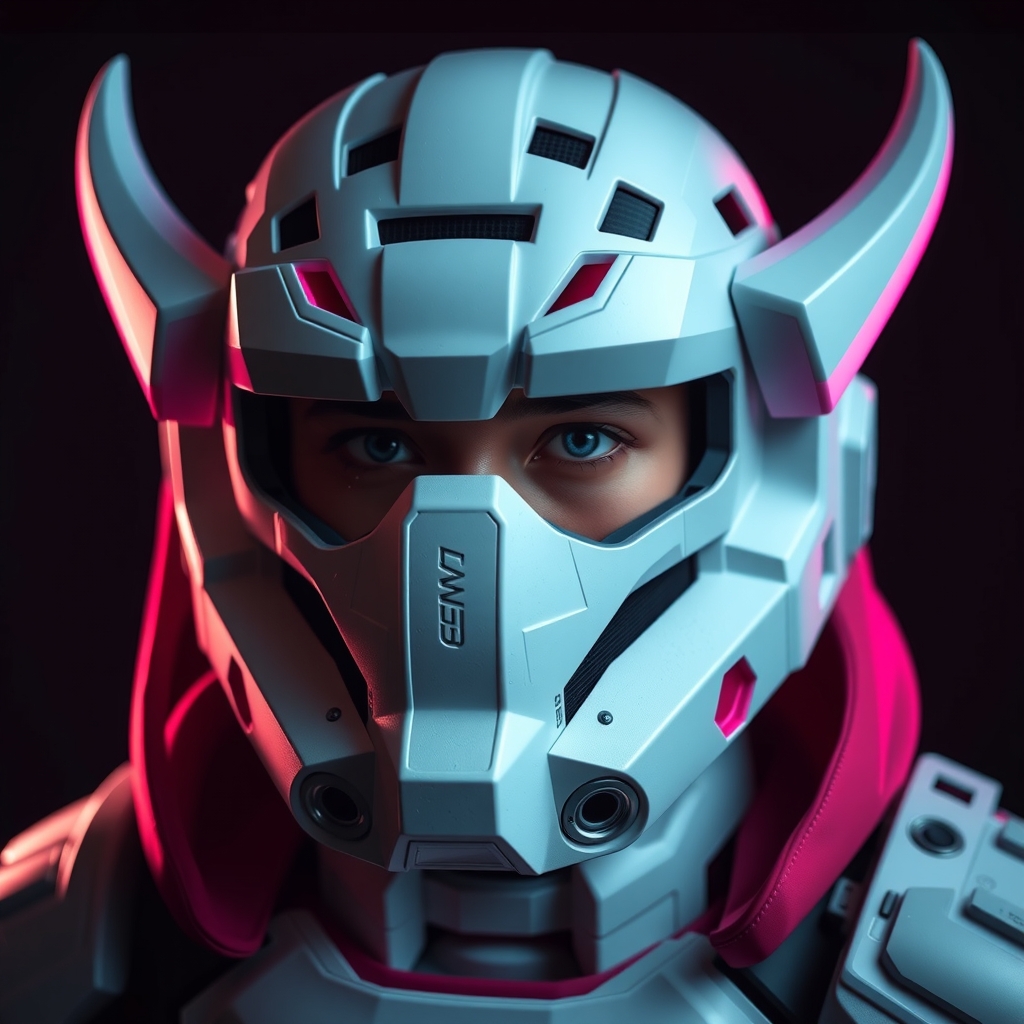

Introduction to Pixel Perfect Cosplay
Video game-inspired cosplay has become increasingly popular, with many fans showcasing their creativity and skills by recreating iconic characters from their favorite games. One of the key aspects of creating a convincing video game cosplay is attention to detail, particularly when it comes to replicating the character's outfit. In this guide, we'll explore the techniques and materials needed to craft pixel perfect cosplay using foam and fabric.
Choosing the Right Materials
When it comes to creating video game-inspired cosplay, the choice of materials is crucial. Foam and fabric are two of the most popular materials used in cosplay, and for good reason. Foam is a versatile material that can be used to create a wide range of shapes and textures, from smooth and sleek to rough and rugged. Fabric, on the other hand, is ideal for creating clothing and textiles that are reminiscent of video game characters.
Some popular types of foam used in cosplay include:
- EVA foam (ethylene-vinyl acetate): A popular choice for cosplay due to its flexibility and durability.
- Thermoplastic foam: A type of foam that can be molded and shaped when heated.
- Worbla foam: A type of thermoplastic foam that is popular among cosplayers due to its ease of use and versatility.
When it comes to fabric, some popular choices include:
- Cotton and polyester blends: These fabrics are durable and easy to work with, making them ideal for creating clothing and textiles.
- Velvet and felt: These fabrics can be used to create a wide range of textures and effects, from smooth and luxurious to rough and rustic.
- Leather and faux leather: These materials can be used to create a more realistic and durable finish.
Pattern Making and Cutting
Once you've chosen your materials, it's time to start creating your pattern. This can be one of the most challenging parts of the cosplay-making process, but there are several techniques and tools that can help. One popular method is to use a software program such as Adobe Illustrator or Autodesk Fusion 360 to create a digital pattern. You can also use a template or a piece of graph paper to create a more traditional pattern.
When cutting out your foam or fabric, it's essential to use the right tools for the job. Some popular cutting tools include:
- Hot wire foam cutter: A specialized tool used to cut through foam.
- Rotary cutter and mat: A versatile tool that can be used to cut through a wide range of materials, including fabric and foam.
- Scissors and craft knife: These are basic but essential tools that can be used to cut through a wide range of materials.
Foam Crafting Techniques
Foam crafting is a versatile technique that can be used to create a wide range of shapes and textures. One popular technique is to use a heat gun to shape and mold the foam. This can be used to create smooth curves and rounded edges.
Another popular technique is to use a Dremel or other rotary tool to carve and shape the foam. This can be used to create more intricate details and textures.
Some other foam crafting techniques include:
- Glueing and bonding: This can be used to attach multiple pieces of foam together.
- Sanding and smoothing: This can be used to create a smooth finish and remove any rough edges.
- Painting and finishing: This can be used to add color and texture to your foam pieces.
Working with Fabric
Working with fabric is a crucial part of creating video game-inspired cosplay. One popular technique is to use a sewing machine to create clothing and textiles. This can be used to create a wide range of effects, from smooth and sleek to rough and textured.
Another popular technique is to use fabric manipulation techniques such as gathering, ruching, and draping. These techniques can be used to create a wide range of effects, from flowing and dynamic to stiff and structured.
Some other fabric working techniques include:
- Embroidery and appliqué: These can be used to add intricate details and designs to your fabric.
- Printing and dyeing: These can be used to create unique and custom colors and patterns.
- Stenciling and painting: These can be used to add bold and graphic designs to your fabric.
Putting it all Together
Once you've created your foam and fabric pieces, it's time to put them together. This can be one of the most challenging parts of the cosplay-making process, but with patience and practice, you can create a pixel perfect cosplay that will impress even the most discerning gamers.
Some tips for assembling your cosplay include:
- Start with a solid base: Make sure your cosplay has a solid foundation and is well-supported.
- Use reference images: Use reference images to ensure that your cosplay is accurate and detailed.
- Pay attention to detail: Pay attention to even the smallest details, from stitching and seams to paint and finish.
With these techniques and materials, you'll be well on your way to creating a pixel perfect cosplay that will showcase your creativity and skills. Happy crafting!