Introduction to Fabric Painting for Cosplay
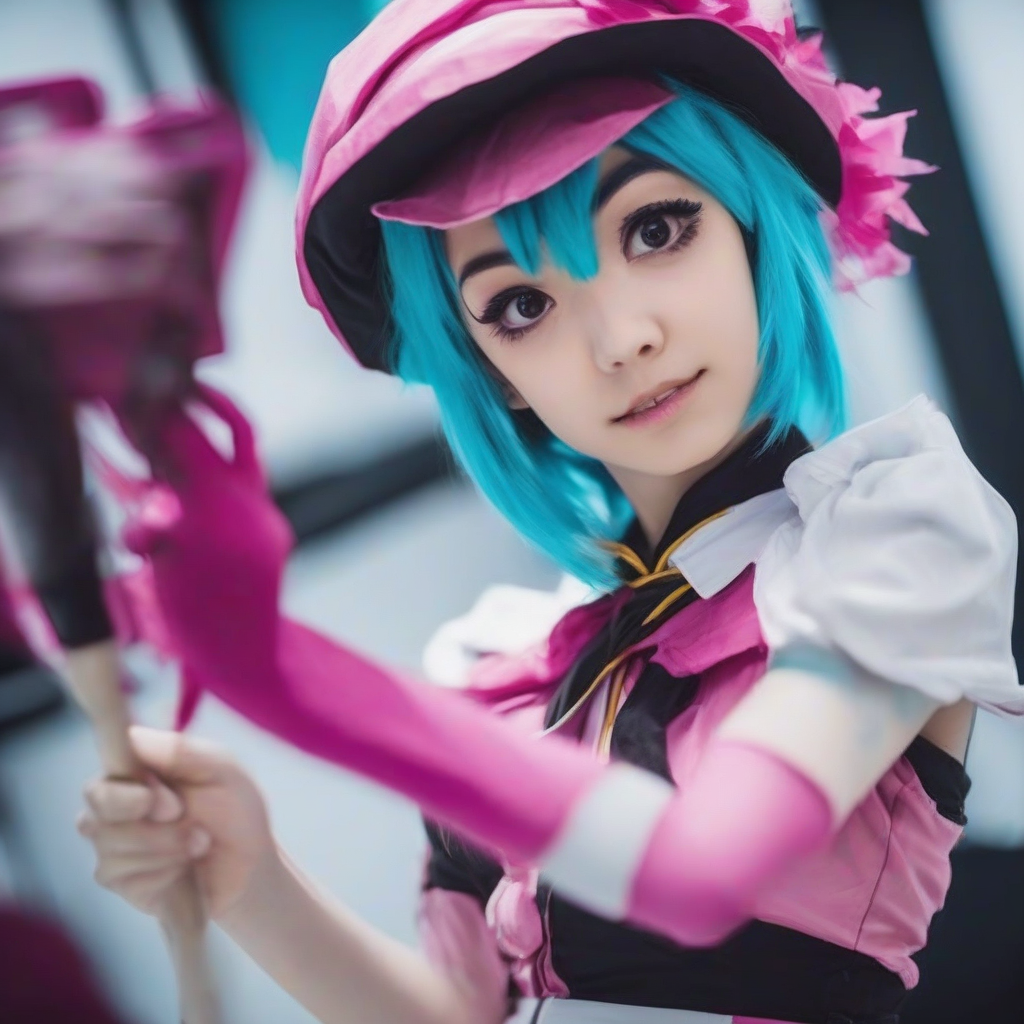
As a cosplayer, creating an accurate and visually stunning costume often requires attention to detail and a willingness to experiment with various crafting techniques. One effective way to elevate your anime cosplay is through fabric painting, which allows you to achieve unique, custom designs that set your costume apart. In this article, we'll explore 10 budget-friendly fabric painting techniques to help you enhance your anime cosplay without breaking the bank.
Preparation is Key
Before diving into fabric painting, it's essential to prepare your materials and workspace. Here are some basic steps to get you started:
- Choose the right fabric: Look for natural fibers like cotton, linen, or rayon, as they tend to work best with fabric paint.
- Pre-wash and dry your fabric: This ensures that any finishes or sizing that might affect paint adhesion are removed.
- Use a fixative or primer: Apply a fixative or primer to your fabric to help the paint adhere and prevent fading.
- Set up a workspace: Cover your work surface with newspaper or a drop cloth, and have paper towels and cleaning supplies on hand.
10 Budget-Friendly Fabric Painting Techniques for Anime Cosplay
1. Ombre Effect
The ombre effect involves gradating colors to create a seamless transition from one shade to another. This technique is perfect for creating anime-inspired backgrounds or adding depth to your costume.
- Choose two or more colors that complement each other.
- Load a sponge or brush with the lightest color and apply it to the fabric.
- Gradually add the next color, blending well to create a smooth transition.
2. Stenciling
Stenciling is a versatile technique that allows you to create intricate designs and patterns with ease. You can use pre-made stencils or create your own using cardstock or acetate.
- Place the stencil on the fabric, securing it with tape if necessary.
- Load a brush or sponge with paint and apply it to the stencil.
- Carefully remove the stencil to reveal your design.
3. Freehand Painting
Freehand painting allows you to create unique, hand-painted designs directly onto your fabric. This technique requires some skill and practice, but the results can be stunning.
To get started, simply load a brush with paint and begin applying it to the fabric. Use reference images to help guide your design and don't be afraid to experiment.
4. Tie-Dye
Tie-dye is a classic technique that involves folding, twisting, or pleating fabric to create resistance areas, and then applying dye to achieve unique patterns.
- Fold, twist, or pleat your fabric to create resistance areas.
- Apply dye or paint to the fabric, making sure to saturate it evenly.
- Wait for the dye to set, then rinse and wash the fabric.
5. Shibori
Shibori is a Japanese technique that involves folding, twisting, or binding fabric to create intricate patterns and designs.
- Fold, twist, or bind your fabric to create resistance areas.
- Apply dye or paint to the fabric, making sure to saturate it evenly.
- Wait for the dye to set, then rinse and wash the fabric.
6. Block Printing
Block printing involves carving a design into a block of material, such as foam or linoleum, and then applying paint to create repeating patterns.
- Carve your design into a block of material.
- Load the block with paint and apply it to the fabric.
- Repeat the process to create a larger design.
7. Screen Printing
Screen printing involves pushing paint through a screen to create a design. This technique is ideal for creating large quantities of identical designs.
- Create a screen using a frame and a piece of mesh.
- Apply a design to the screen using a photo-emulsion process or a DIY method.
- Load the screen with paint and apply it to the fabric.
8. Spray Painting
Spray painting involves using a spray bottle or airbrush to apply paint to the fabric. This technique is great for creating soft, blended colors and subtle textures.
- Load a spray bottle or airbrush with paint.
- Apply the paint to the fabric, using a steady motion to achieve even coverage.
- Allow the paint to dry before adding additional coats.
9. Stamping
Stamping involves using a pre-made stamp or creating your own using a sponge or foam to apply paint to the fabric.
- Load a stamp or sponge with paint.
- Apply the paint to the fabric, using a gentle pressing motion.
- Repeat the process to create a larger design.
10. Resist Painting
Resist painting involves applying a resist, such as wax or masking fluid, to the fabric before painting. This technique allows you to create intricate designs and patterns.
- Apply a resist to the fabric, using a brush or tool to create designs.
- Load a brush or sponge with paint and apply it to the fabric.
- Wait for the paint to dry, then remove the resist to reveal your design.
Conclusion
With these 10 budget-friendly fabric painting techniques, you can elevate your anime cosplay and achieve high-quality, custom designs without breaking the bank. Remember to experiment, practice, and have fun with the process – and don't be afraid to try new things and make mistakes. Happy crafting!