Introduction to Video Game Texture Replication
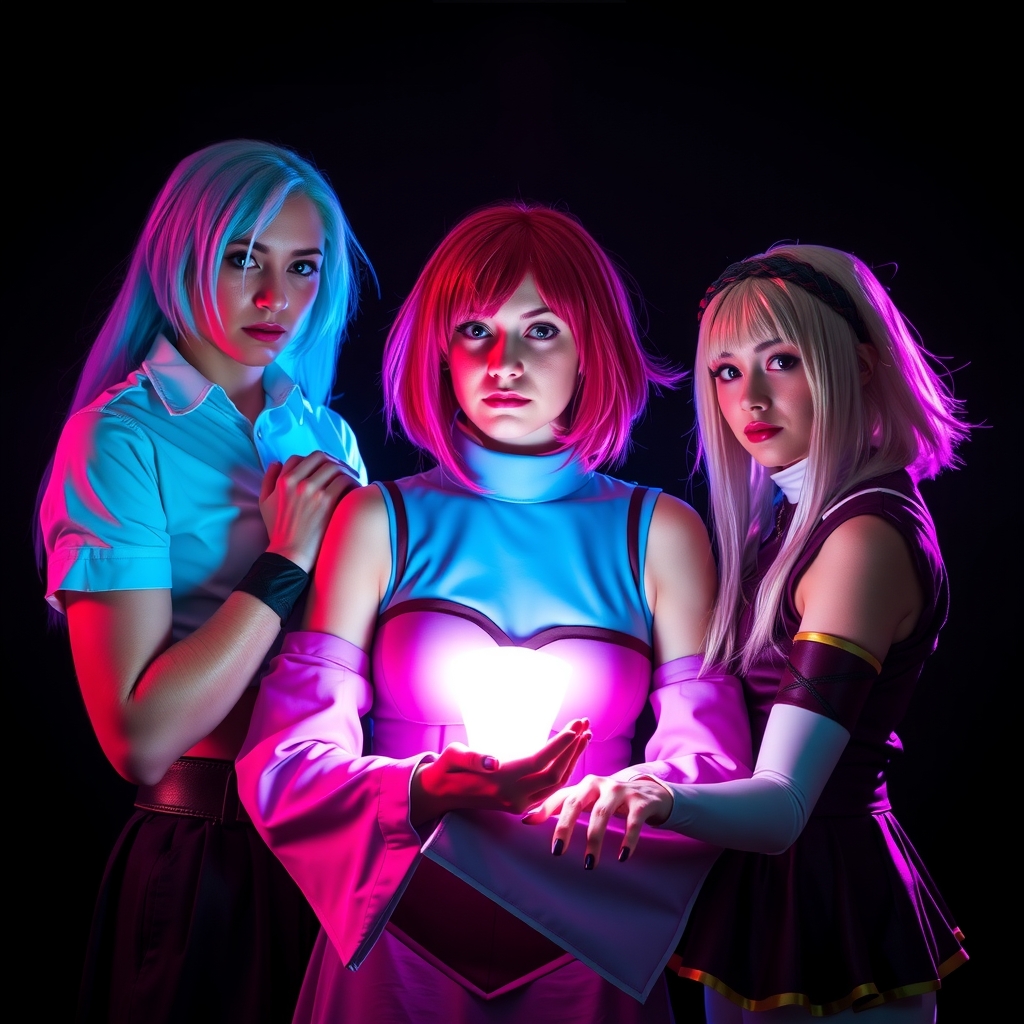
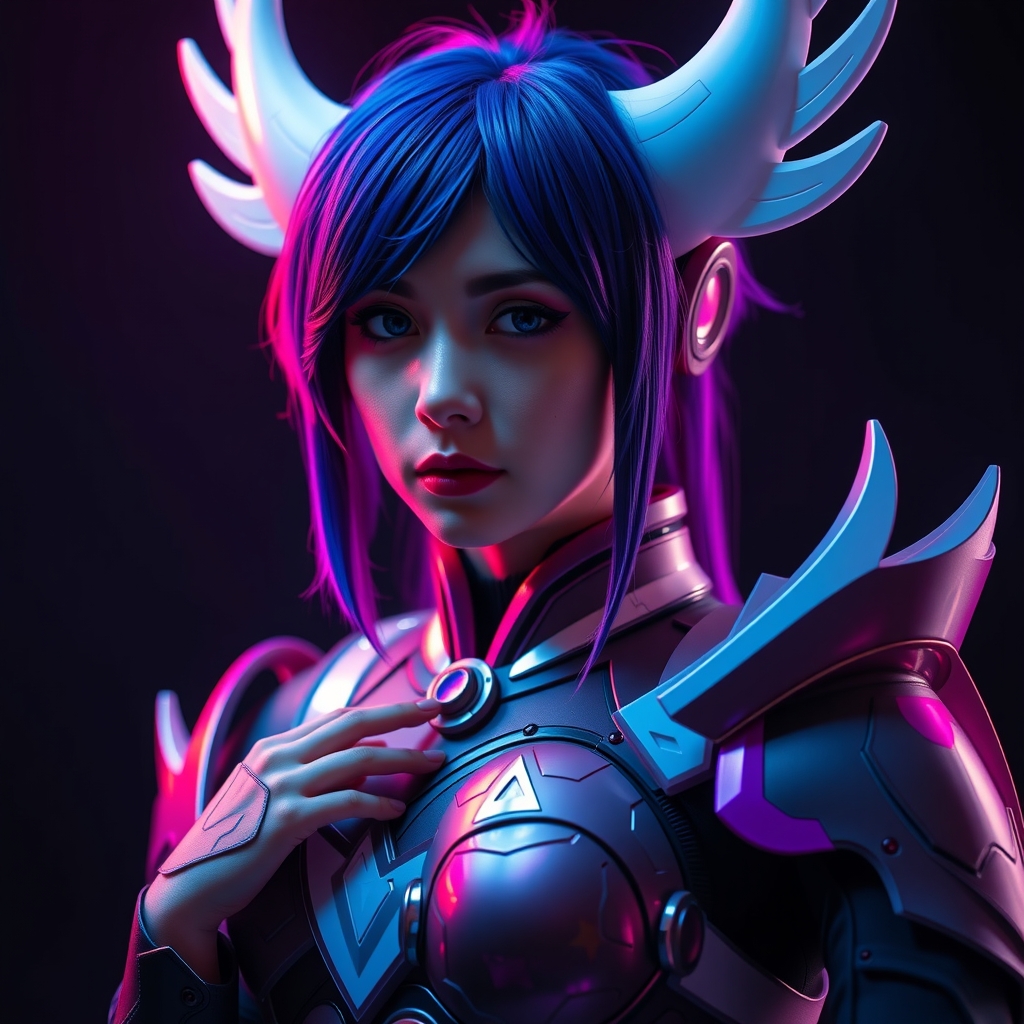
Video game textures play a crucial role in bringing game worlds to life. As a cosplayer, replicating these textures on your costume can make all the difference in creating an immersive and realistic look. In this guide, we'll explore the techniques of fabric painting and dyeing to help you achieve stunning video game-inspired textures.
Understanding Video Game Textures
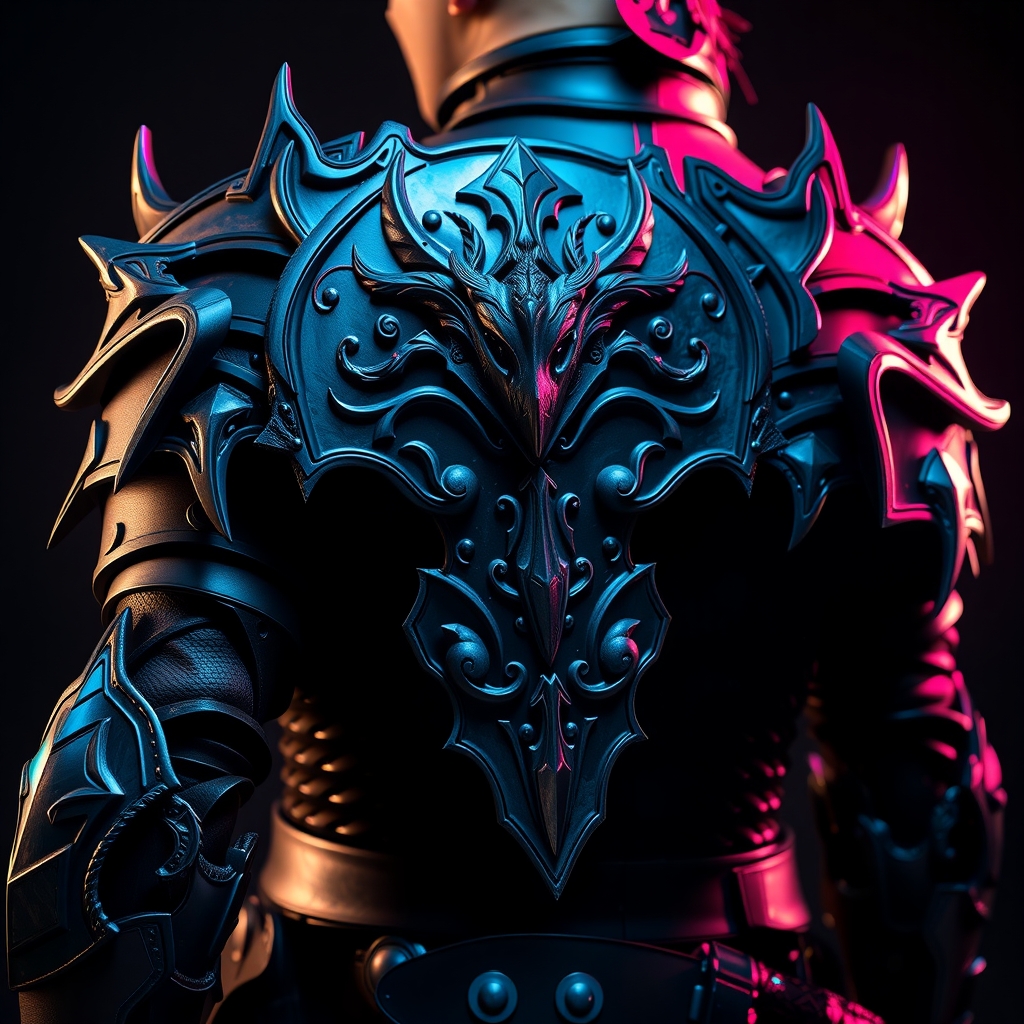
Before diving into the techniques, it's essential to understand the basics of video game textures. Game textures are 2D images applied to 3D models to add surface detail and visual interest. They can range from simple, repeating patterns to complex, high-resolution images. When replicating video game textures, it's crucial to study the game's art style, color palette, and texture resolution.
Materials and Tools Needed
To get started, you'll need the following materials and tools:
- Fabrics of your choice (cotton, polyester, or blends)
- Acrylic fabric paints or textile dyes
- Paintbrushes (various sizes)
- Sponges or foam brushes
- A well-ventilated workspace
- Reference images of the video game texture
Preparing Your Fabric
Before applying any textures, it's essential to prepare your fabric. Wash and dry your fabric to remove any finishes or impurities that may affect paint or dye adhesion. Iron your fabric to remove wrinkles, ensuring a smooth surface for painting or dyeing.
Basic Fabric Painting Techniques
Acrylic fabric painting is a versatile and forgiving technique for replicating video game textures. Here are some basic techniques to get you started:
- Basecoating: Apply a uniform base color to your fabric using a large paintbrush or sponge. This will help establish the overall color tone of your texture.
- Stenciling: Use stencils or masking tape to create crisp, sharp edges and patterns. This technique is ideal for replicating pixel art or grid-based textures.
- Blending: Use wet-on-wet techniques or blending brushes to merge colors and create smooth transitions. This is useful for replicating gradient-based textures or soft, organic surfaces.
Advanced Techniques: Layering and Glazing
To add depth and complexity to your textures, try layering and glazing techniques:
- Layering: Build up multiple layers of paint, allowing each layer to dry before adding the next. This technique can help create intricate, detailed textures.
- Glazing: Apply multiple thin, transparent layers of paint to achieve a deep, rich color. This technique is ideal for replicating metallic or reflective surfaces.
Exploring Dyeing Techniques
While fabric painting offers a high level of control, dyeing can produce unique, organic textures that are difficult to achieve with paint. Here are some basic dyeing techniques:
- Tie-dyeing: Bind or tie your fabric to create resistance areas, resulting in unique, mottled patterns.
- Shibori: Fold or pleat your fabric to create intricate, geometric patterns.
- Ice dyeing: Use ice to create a subtle, watercolor-like effect.
Tips and Tricks for Realistic Textures
To achieve realistic video game textures, keep the following tips in mind:
- Study your reference images: Analyze the texture's pattern, color palette, and level of detail.
- Experiment and iterate: Don't be afraid to try new techniques or adjust your approach based on the results.
- Pay attention to fabric choice: Select fabrics that drape and behave similarly to the in-game surface you're trying to replicate.
Conclusion and Inspiration
Replicating video game textures using fabric painting and dyeing techniques can elevate your gaming cosplay to new heights. With practice, patience, and attention to detail, you can create stunning, realistic textures that bring your costume to life. For inspiration, check out the work of professional cosplayers and fabric artists, such as Cosplay.com or DeviantArt. Happy crafting!