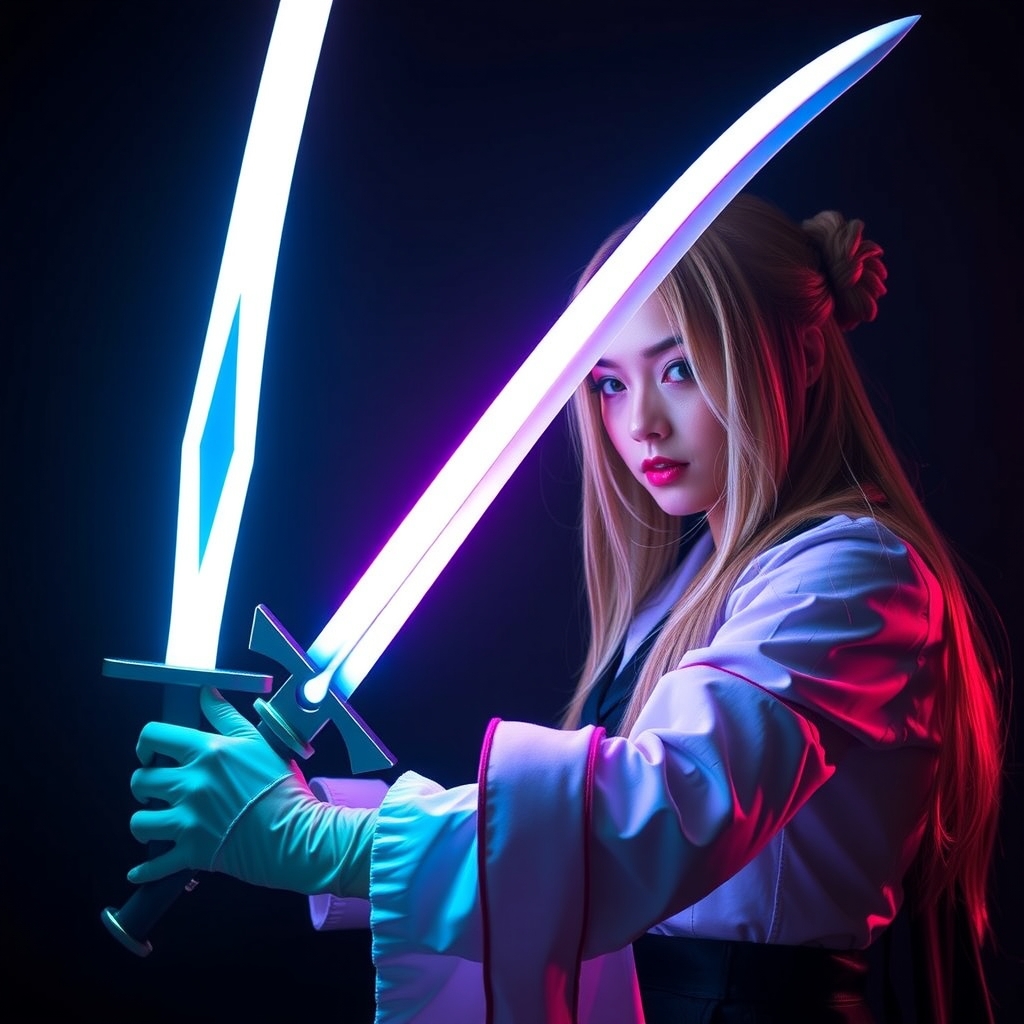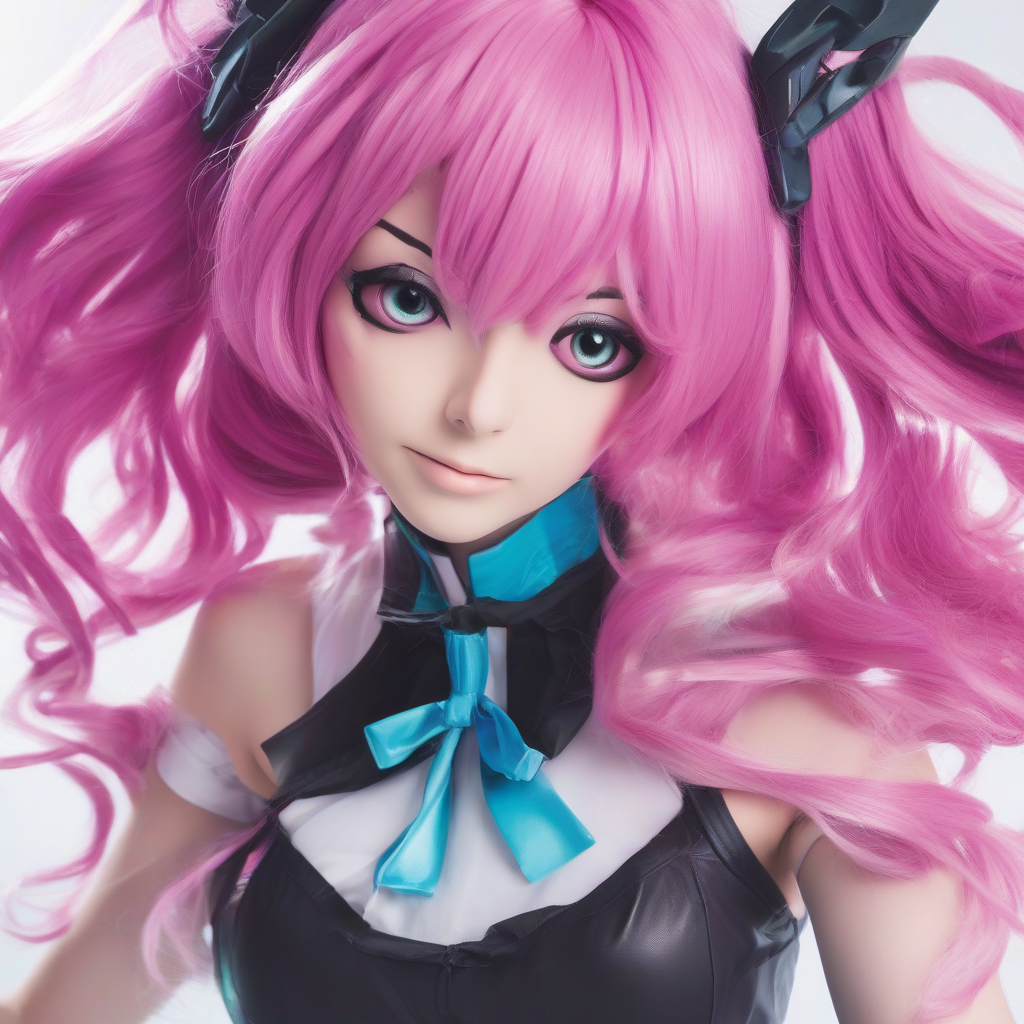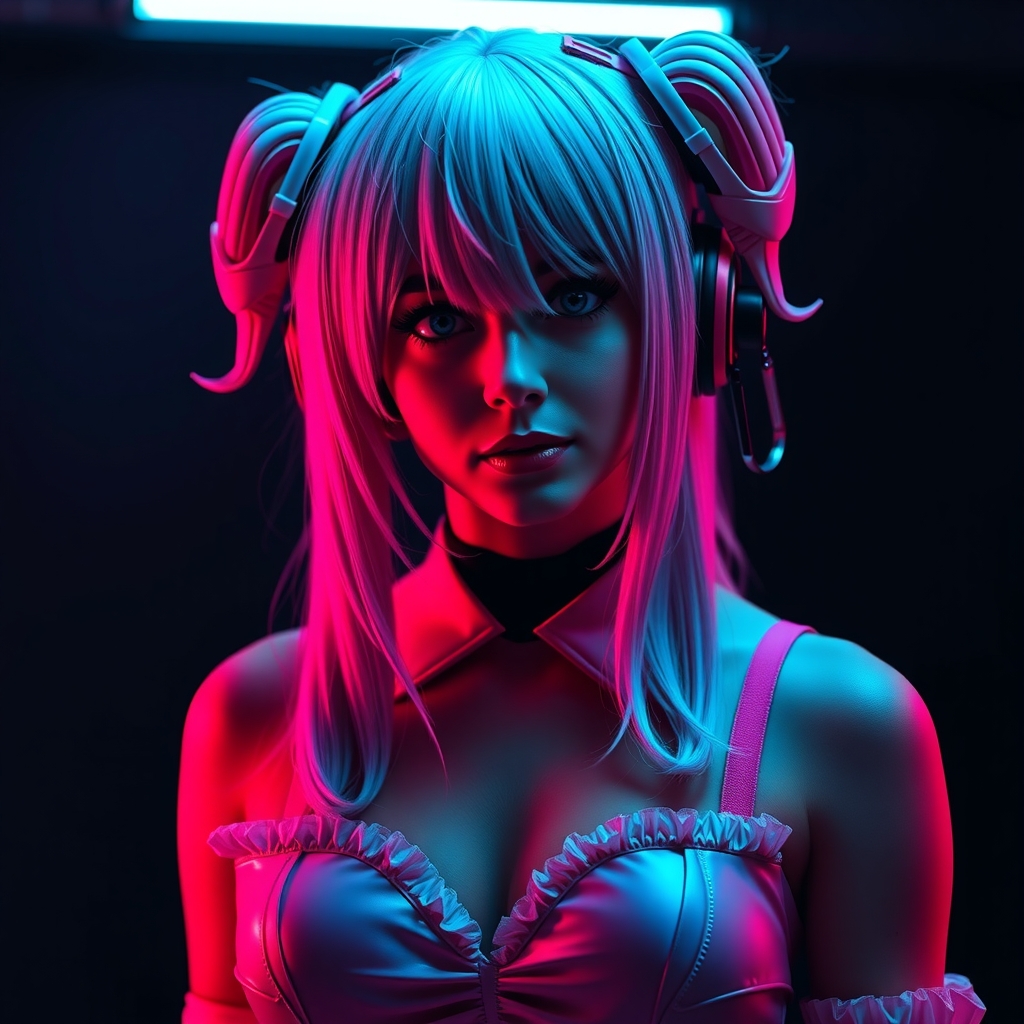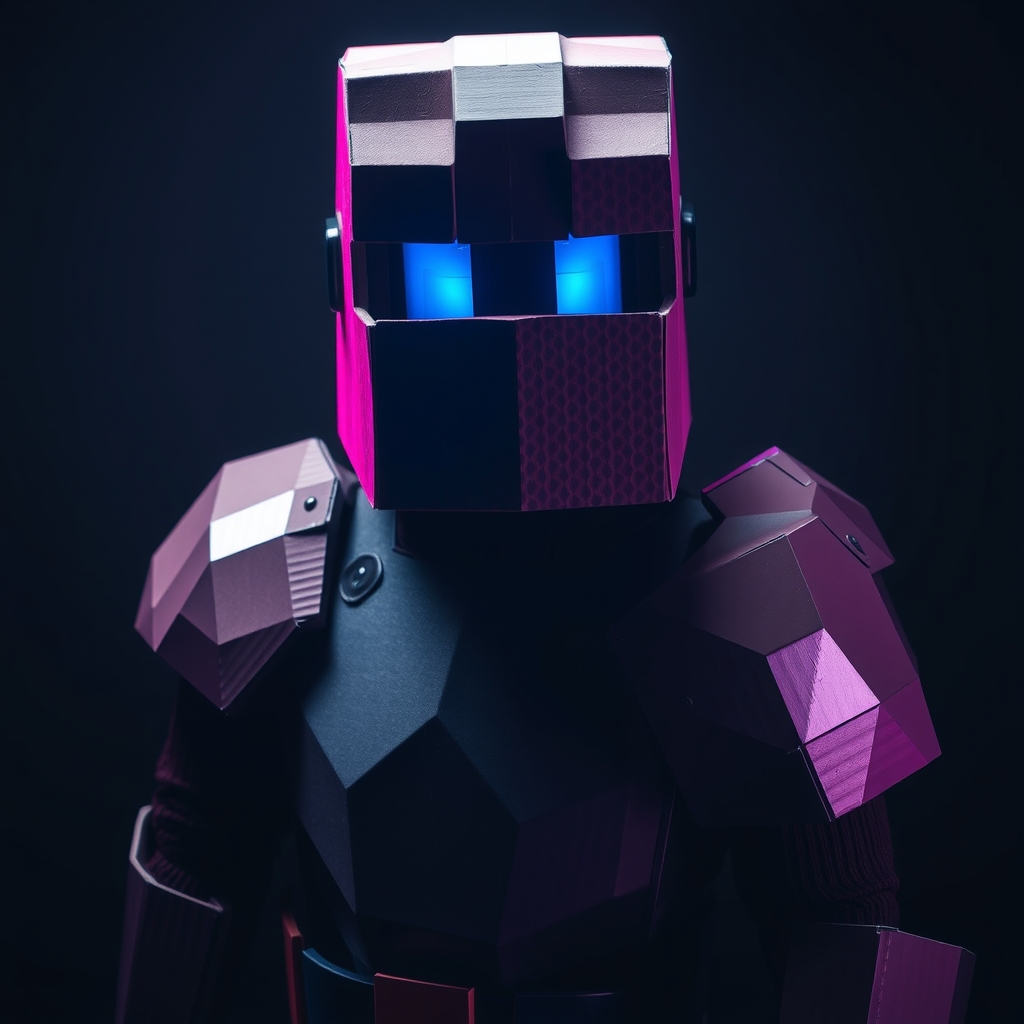
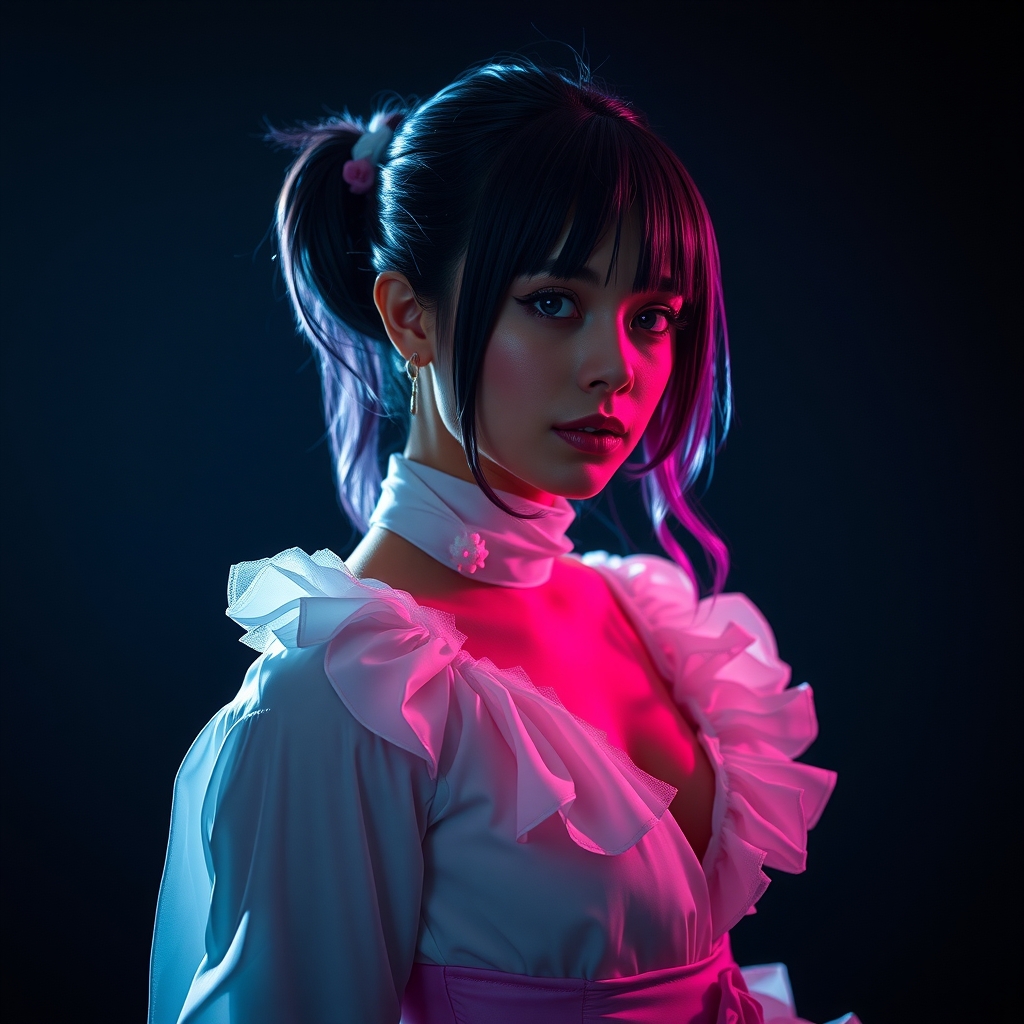
Introduction to High-Fashion Inspired Cosplay
Cosplay has evolved significantly over the years, transforming from simple costume play to a highly creative and technical art form. One of the most exciting trends in modern cosplay is the incorporation of high-fashion techniques and unconventional materials to create stunning, catwalk-inspired costumes. In this guide, we'll explore the world of high-fashion inspired cosplay, discussing the techniques, materials, and mindset required to elevate your costume game.
Understanding High-Fashion Techniques
High-fashion techniques involve a range of skills and methods used in the fashion industry to create exquisite, high-end garments. These techniques can be applied to cosplay to add an extra layer of sophistication and realism to your costumes. Some key high-fashion techniques include:
- Draping: The art of shaping fabric over a mannequin or model to create a unique, three-dimensional design.
- Pattern making: The process of creating a template or pattern to guide the construction of a garment.
- Embroidery and beading: Intricate stitching and embellishment techniques used to add texture and visual interest to fabrics.
- Prototyping: The process of creating a test garment or prototype to refine the design and construction of a costume.
Applying High-Fashion Techniques to Cosplay
To apply high-fashion techniques to cosplay, start by studying the work of professional fashion designers and cosplayers who specialize in high-fashion inspired costumes. Analyze their techniques, materials, and construction methods to gain a deeper understanding of the craft. Next, experiment with different materials and techniques to develop your skills and find what works best for you.
Unconventional Materials for Cosplay
Unconventional materials can add an extra layer of creativity and interest to your cosplay costumes. Some popular unconventional materials used in cosplay include:
- Foam and Worbla: Thermoplastics used to create armor, props, and other costume pieces.
- Faux leather and vinyl: Used to create realistic, high-end textures and finishes.
- LED lights and electronics: Used to add interactive, glowing elements to costumes.
- Natural materials: Such as leaves, twigs, and fabric scraps, used to create earthy, organic designs.
Working with Unconventional Materials
When working with unconventional materials, it's essential to understand their properties and limitations. Research the material you're working with, and experiment with different techniques to achieve the desired effect. For example, when working with foam and Worbla, you may need to use a combination of heat, glue, and shaping techniques to achieve the desired shape and texture.
Designing and Constructing High-Fashion Inspired Costumes
Designing and constructing high-fashion inspired costumes requires a combination of creativity, technical skill, and attention to detail. Here are some tips to keep in mind:
- Start with a clear concept and design: Sketch out your idea, and consider the materials and techniques you'll need to bring it to life.
- Choose materials that fit your design: Select materials that match the look and feel you're aiming for, and experiment with different textures and finishes.
- Pay attention to construction details: Use high-fashion techniques, such as draping and pattern making, to create a polished, professional finish.
- Embellish and accessorize: Add intricate details, such as embroidery or beading, to give your costume an extra layer of depth and interest.
Conclusion and Inspiration
Creating high-fashion inspired costumes with unconventional materials and techniques requires patience, creativity, and practice. By studying high-fashion techniques, experimenting with different materials, and paying attention to construction details, you can elevate your cosplay game and create show-stopping costumes that turn heads. For inspiration, check out the work of professional cosplayers and fashion designers, and don't be afraid to push the boundaries of what's possible with cosplay.