
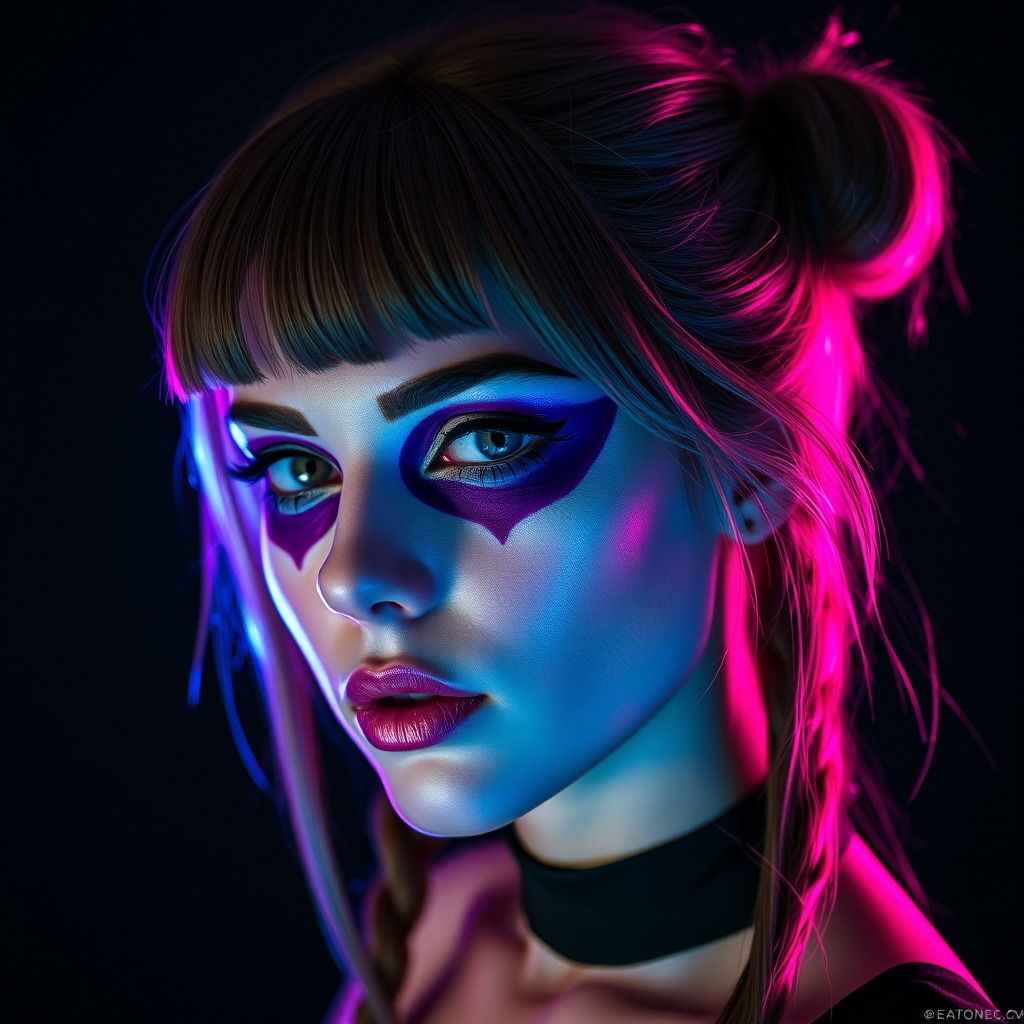
Introduction to Cosplay Makeup and Special Effects
As a cosplayer, you know that a great costume is only half the battle – it's the details that bring a character to life. One of the most impactful ways to elevate your cosplay is through special effects (SFX) makeup and prosthetics. From scars and wounds to full-body transformations, SFX makeup can take your costume from great to truly unforgettable. In this guide, we'll cover the basics of prosthetics and special effects makeup, including materials, tools, and techniques to get you started.
Understanding Prosthetics and Special Effects Makeup
Prosthetics and SFX makeup involve creating realistic, three-dimensional features that can be applied to the skin to create a desired effect. This can include pieces like wounds, scars, facial features, or even entire body parts. These pieces are typically made from materials like silicone, foam latex, or resin, and are applied using adhesives and makeup.
Materials and Tools for Prosthetics and SFX Makeup
Before you start creating your own prosthetics and SFX makeup, it's essential to understand the materials and tools you'll need. Here are some of the most common:
- Silicone: A popular choice for prosthetics, silicone is flexible, durable, and can be colored to match skin tones.
- Foam latex: A lightweight, flexible material often used for creating pieces like wounds and scars.
- Resin: A strong, versatile material used for creating more rigid prosthetics.
- Adhesives: Such as spirit gum, Pros-Aide, or Telesis, used to attach prosthetics to the skin.
- Makeup: High-quality, long-lasting makeup is essential for creating a seamless finish.
- Paints and pigments: Used to add color and detail to your prosthetics and SFX makeup.
- Tools: Such as brushes, sponges, and sculpting tools, used to apply and shape materials.
Safety Precautions and Best Practices
When working with prosthetics and SFX makeup, safety should always be your top priority. Here are some essential precautions to take:
- Always follow proper sanitation and hygiene procedures when applying prosthetics and makeup.
- Use protective gear, such as gloves and masks, when working with materials and adhesives.
- Perform patch tests on a small area of skin before applying any new materials or adhesives.
- Be gentle when removing prosthetics and makeup to avoid irritating the skin.
Creating and Applying Prosthetics and SFX Makeup
Now that you have a basic understanding of the materials and tools involved, it's time to start creating! Here are some general steps to follow:
- Research and plan your design: Study reference images and plan out your design, taking into account the materials and techniques you'll need.
- Prepare your materials: Gather and prepare your materials, including any necessary molds or casts.
- Create your prosthetic: Use your chosen materials and techniques to create your prosthetic piece.
- Apply the prosthetic: Use adhesives and makeup to attach the prosthetic to the skin, blending edges for a seamless finish.
- Finishing touches: Add color, detail, and texture to your prosthetic using paints, pigments, and makeup.
Tips and Tricks for Beginners
As a beginner, it's essential to start small and be patient with yourself. Here are some additional tips to keep in mind:
- Practice, practice, practice: Don't be discouraged if your first attempts don't turn out as expected – keep trying and experimenting.
- Start with simple designs: Begin with basic designs and gradually work your way up to more complex pieces.
- Watch tutorials and online guides: There are many excellent resources available online, including tutorials and guides from experienced SFX artists.
- Join a community: Connect with other cosplayers and SFX artists to learn from their experiences and share your own.
Conclusion and Resources
With practice and patience, you can unlock the secrets of cosplay makeup and create stunning, realistic prosthetics and special effects. Remember to always prioritize safety and follow best practices when working with materials and adhesives. For further learning and inspiration, check out the following resources:
- Makeup Effects Tutorials on YouTube
- Cosplay.com – a community-driven cosplay resource
- Special Effects Makeup – a comprehensive guide to SFX makeup