
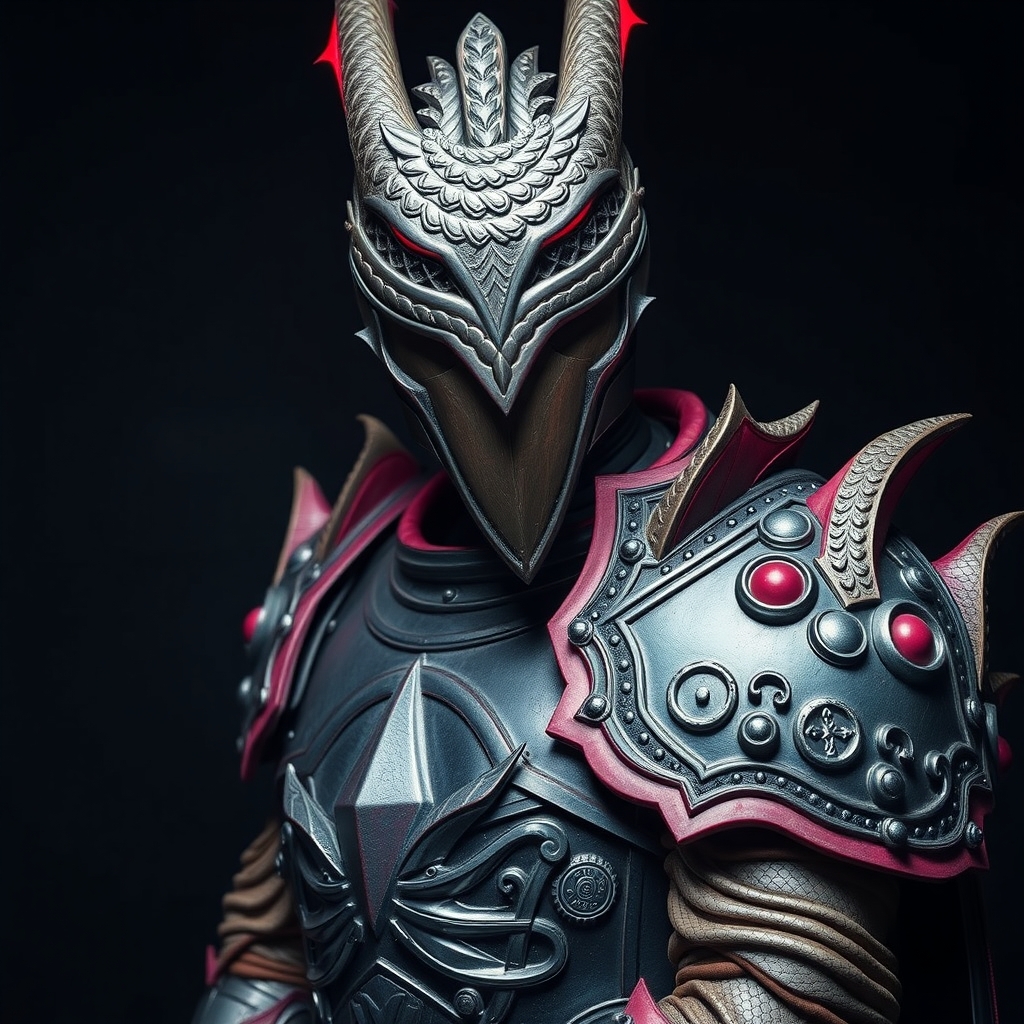
Introduction to Foam Crafting for Dragon Armor
Crafting detailed Elder Scrolls dragon armor requires creativity, patience, and a willingness to experiment with unconventional materials and techniques. Foam crafting has become a staple in the cosplay community, offering a versatile and accessible way to create intricate designs. In this guide, we'll explore innovative foam techniques to help you forge fearsome dragon armor that will leave a lasting impression.
Choosing the Right Foam
When it comes to foam crafting, selecting the right type of foam is crucial. There are several types of foam available, each with its unique characteristics and applications. For dragon armor, you'll want to choose a foam that is dense, yet flexible. Some popular options include:
- Thermoplastic foam (e.g., Worbla, Wonderflex): ideal for creating detailed, rigid pieces
- EVA foam (e.g., foam sheets, foam blocks): suitable for crafting flexible, shock-absorbing components
- Polyurethane foam (e.g., expanding foam, foam spray): great for creating textured, irregular surfaces
Unconventional Foam Techniques for Dragon Armor
To achieve a truly authentic look, you'll need to experiment with unconventional foam techniques. Here are a few methods to get you started:
Foam Carving with Heat
Carving foam with heat allows you to create intricate details and smooth out rough edges. Use a heat gun or a hair dryer to soften the foam, then carve it with a sharp tool or a Dremel. This technique is particularly useful for creating textured, scaly surfaces.
Foam Shaping with Solvent
Some foams can be shaped and molded using solvents, such as acetone or ethyl acetate. This technique is ideal for creating curved or complex shapes. Simply apply the solvent to the foam, shape it as desired, and let it dry.
Foam Layering and Bonding
Building up layers of foam can help create a more dimensional, realistic look. Use a strong adhesive, such as hot glue or epoxy, to bond the layers together. This technique is useful for creating raised patterns, ridges, or other textured features.
Adding Details and Finishing Touches
Once you've crafted the main components of your dragon armor, it's time to add details and finishing touches. Here are a few tips:
Painting and Finishing
Use acrylic paints or specialized coatings to add color and texture to your dragon armor. Apply multiple coats, allowing each layer to dry before adding additional details.
Adding Weathering and Wear
To create a battle-worn look, apply weathering effects using washes, drybrushing, or edge highlighting. You can also add wear and tear by distressing the foam with sandpaper or a Dremel.
Attaching Components and Electronics
Use a combination of adhesives, screws, or Velcro to attach components, such as scales, plates, or LED lights. Make sure to test your design before wearing it to ensure a secure and comfortable fit.
Conclusion and Troubleshooting
Crafting detailed Elder Scrolls dragon armor with unconventional foam techniques requires patience, creativity, and practice. Don't be afraid to experiment and try new things – and don't worry if your first attempts don't turn out as expected. With persistence and dedication, you'll be able to forge fearsome dragon armor that will make you stand out at any cosplay event.
Some common issues to watch out for:
- Foam delamination: ensure proper bonding between layers
- Foam warping: use a stabilizing material, such as fabric or mesh, to prevent warping
- Paint or finish failure: test your materials and techniques before applying them to your project
By following these tips and techniques, you'll be well on your way to creating an unforgettable Elder Scrolls dragon armor cosplay piece that showcases your creativity and skill. Happy crafting!