
Introduction to Cosplay Armor Materials
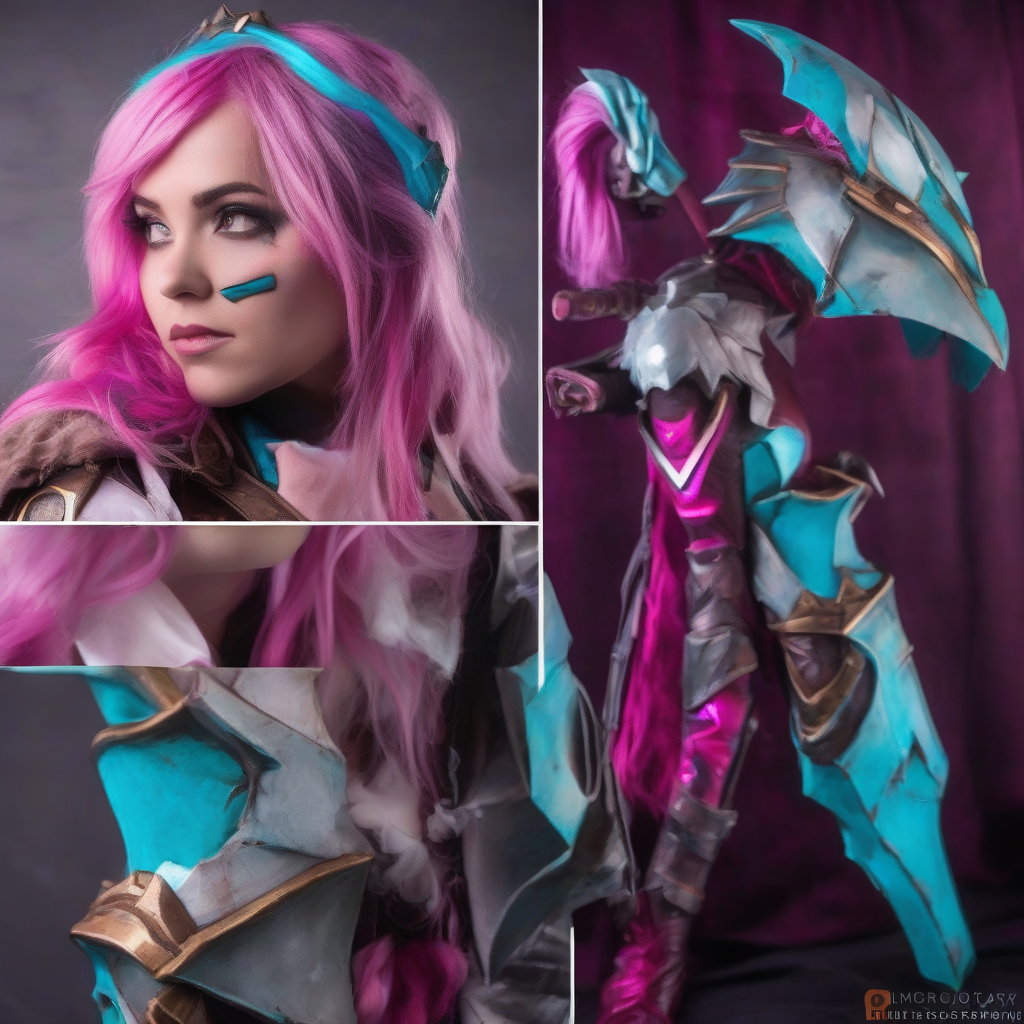
Cosplay armor is a crucial element in bringing a character to life, providing both visual impact and a sense of authenticity. With numerous materials available, choosing the right one for your project can be daunting. In this guide, we'll explore three popular options: Worbla, thermoplastic, and foam. Each material has its unique characteristics, advantages, and challenges, which we'll discuss in detail to help you make an informed decision.
Understanding Worbla
Worbla is a type of thermoplastic material specifically designed for crafting and prop making. It's known for its versatility, durability, and ease of use. Worbla can be molded, shaped, and formed into complex designs, making it an ideal choice for intricate armor pieces.
- Durability: Worbla is highly resistant to impact, scratches, and cracks, ensuring your armor piece will withstand handling and wear.
- Workability: Worbla can be shaped and molded using heat, allowing for smooth, seamless joints and details.
- Realism: Worbla's texture and finish can be tailored to mimic various materials, from smooth leather to rugged metal.
Exploring Thermoplastic
Thermoplastic is a broad category of materials that can be melted and reformed multiple times. In the context of cosplay armor, thermoplastics like Kydex, Wonderflex, and thermoplastic sheets are commonly used.
- Durability: Thermoplastics offer a range of durability, from flexible and impact-resistant to rigid and brittle.
- Workability: Thermoplastics can be shaped using heat, vacuum forming, or molding techniques, offering a range of creative possibilities.
- Realism: Thermoplastics can be finished to resemble various materials, including metal, leather, and fabric.
Working with Thermoplastic: Tips and Tricks
When working with thermoplastic, it's essential to consider the material's thickness, flexibility, and texture. Thicker thermoplastics can be more challenging to shape, while thinner sheets may be more prone to tearing.
To achieve a smooth finish, use a heat gun or oven to heat the thermoplastic, and then shape it using a mold or form. You can also use a vacuum former to create more complex shapes and details.
Working with Foam
Foam is a popular choice for cosplay armor due to its lightweight, ease of use, and affordability. There are several types of foam available, including Worbla's foam core, EVA foam, and polyurethane foam.
- Durability: Foam is generally more prone to damage than Worbla or thermoplastic, but can still be durable with proper finishing and sealing.
- Workability: Foam is easy to cut, shape, and carve, making it an excellent choice for beginners or for creating complex designs.
- Realism: Foam can be finished to resemble various materials, but may require additional coatings or textures to achieve a realistic look.
Finishing and Sealing Foam Armor
To enhance the durability and realism of foam armor, it's essential to apply a finish coat. You can use a variety of materials, such as paint, varnish, or sealants, to protect the foam and create a more realistic appearance.
When applying a finish coat, make sure to follow the manufacturer's instructions and test the material on a small, inconspicuous area first.
Comparing Materials: A Buyer's Guide
When choosing a material for your cosplay armor project, consider the following factors:
- Complexity of design: Worbla and thermoplastic may be more suitable for intricate designs, while foam can be used for simpler or more textured pieces.
- Durability: Worbla and thermoplastic are generally more durable than foam, but can be more challenging to work with.
- Budget: Foam is often the most affordable option, while Worbla and thermoplastic may require a larger investment.
- Skill level: Foam can be a great starting point for beginners, while Worbla and thermoplastic may require more experience and specialized tools.
Conclusion
Choosing the right material for your cosplay armor project can be overwhelming, but by considering the unique characteristics, advantages, and challenges of each material, you can make an informed decision. Whether you opt for Worbla, thermoplastic, or foam, with patience, practice, and dedication, you can create stunning, realistic armor that brings your character to life.