Introduction to Prop-Making
For cosplayers and prop enthusiasts, creating a hyper-realistic video game sword can be a daunting task. With the right materials, techniques, and patience, you can bring your favorite virtual blades to life. In this guide, we'll walk you through the process of crafting a stunning, accurate replica of a video game sword.
Choosing Your Sword
Before you begin, select a video game sword that inspires you. Consider the game's art style, the sword's design, and its significance in the game. Popular choices include the Master Sword from The Legend of Zelda, Cloud's Buster Sword from Final Fantasy VII, or Geralt's swords from The Witcher series.
Materials and Tools
To create a hyper-realistic sword, you'll need the following materials:
- Worbla or thermoplastic for the blade and hilt
- Foam or cardboard for the sword's core
- Paint and primer for a realistic finish
- A heat gun or oven for shaping and molding
- Sandpaper and files for smoothing and detailing
- A Dremel or rotary tool for intricate designs
Designing and Patterning
Create a detailed design and pattern for your sword. You can use reference images from the game or create your own concept art. Consider the sword's dimensions, shape, and intricate details. You can use software like Adobe Illustrator or Photoshop to create a digital pattern, or draw it by hand.
Once you have your design, transfer it to paper or cardboard, and cut out a rough shape of the sword. This will serve as a template for your prop.
Building the Sword
Creating the Core
Cut out the foam or cardboard core of the sword using your template. Make sure it's sturdy and provides a solid foundation for the rest of the prop.
Shaping the Blade and Hilt
Using Worbla or thermoplastic, shape the blade and hilt of the sword. You can use a heat gun or oven to mold and shape the material. Make sure to leave some excess material for sanding and detailing.
Attach the blade and hilt to the core using hot glue, epoxy, or another strong adhesive.
Adding Details and Finishing Touches
Use a Dremel or rotary tool to add intricate details, such as engravings, textures, or patterns. Sand the entire sword to smooth out any rough edges or bumps.
Prime and paint the sword using acrylic or enamel paints. Apply multiple coats to achieve a realistic finish.
Tips and Variations
To add an extra layer of realism to your sword, consider the following tips:
- Add weathering effects, such as scratches, rust, or bloodstains.
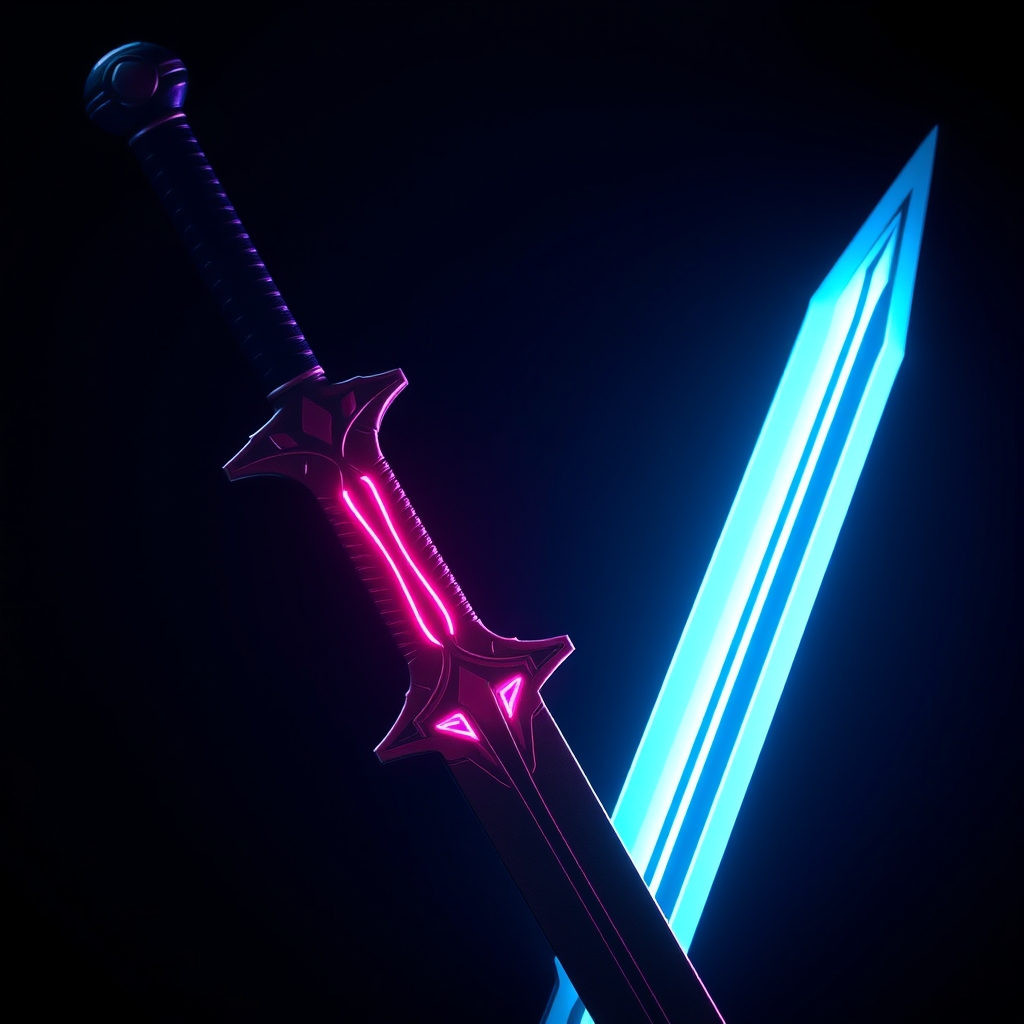
- Use LED lights or EL wire to create a glowing effect.
- Add movable parts, such as a retractable blade or a folding hilt.
- Experiment with different materials, such as resin, metal, or 3D printing.
Conclusion and Inspiration
Crafting a hyper-realistic video game sword requires patience, dedication, and creativity. With these steps and tips, you can create a stunning prop that showcases your skills and passion. Share your creations with the cosplay community, and get inspired by others' work. Happy crafting!