Introduction to Cosplay Armor Crafting
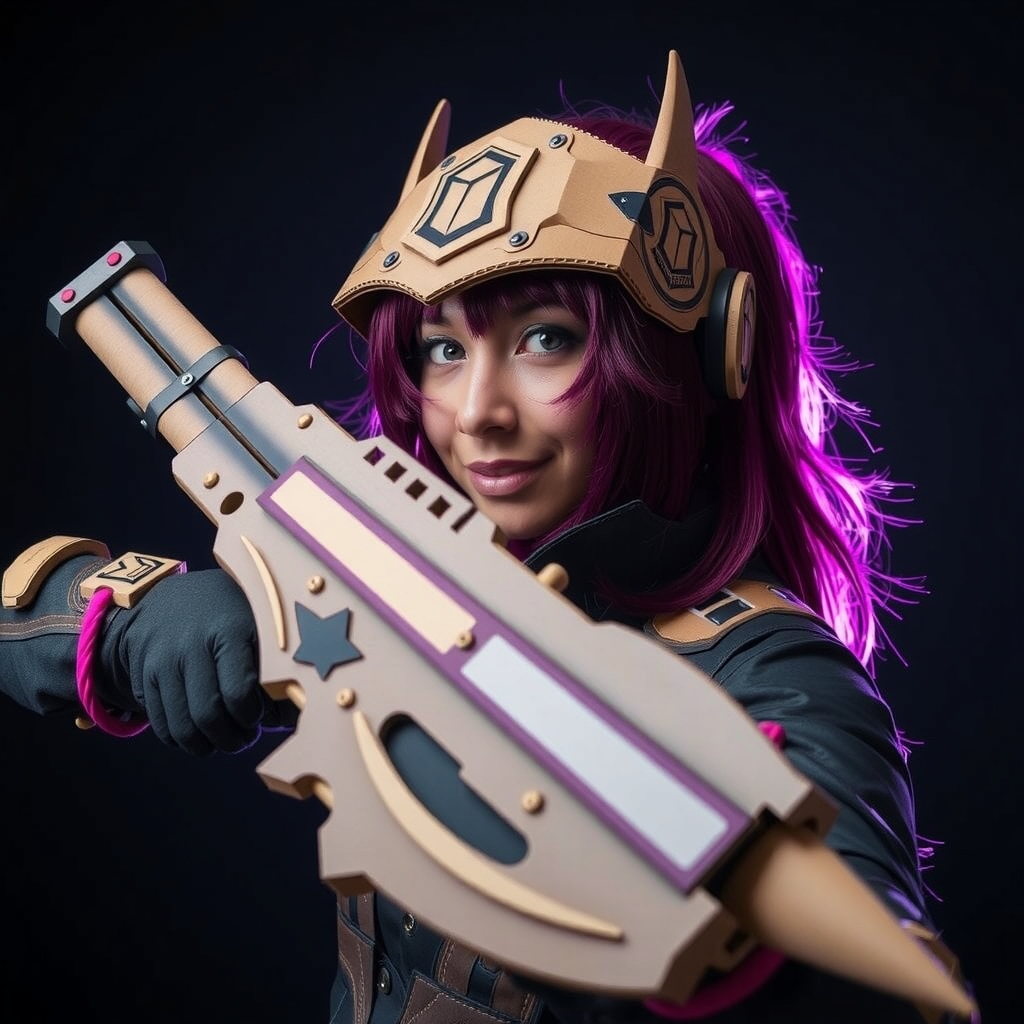
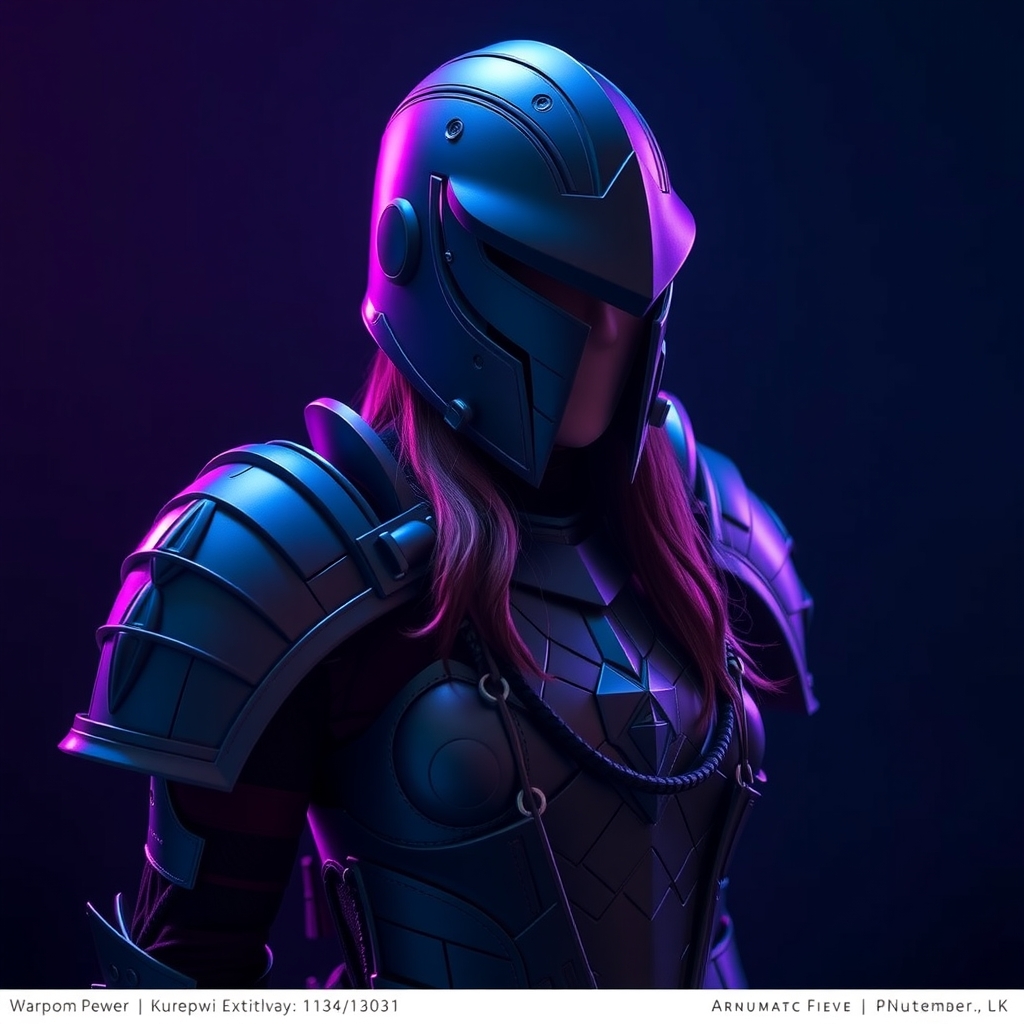
Crafting cosplay armor can seem daunting, but with the right materials and techniques, you can create stunning pieces that elevate your costume game. Two popular materials for making cosplay armor are EVA foam and Worbla. In this guide, we'll walk you through the basics of working with these materials, from pattern making to finishing touches.
Choosing Your Materials
EVA foam and Worbla are both versatile materials that can be used to create a wide range of cosplay armor pieces. EVA foam is a type of foam that is soft, lightweight, and easy to shape. It's often used for creating armor pieces that require a more flexible and forgiving material. Worbla, on the other hand, is a thermoplastic material that is strong, durable, and can be molded into complex shapes. It's often used for creating armor pieces that require more structure and rigidity.
When choosing between EVA foam and Worbla, consider the type of armor piece you're trying to create and the level of detail you want to achieve. EVA foam is a great choice for pieces that require a more organic shape, while Worbla is better suited for pieces that require a more rigid and structured shape.
EVA Foam Basics
- Thickness: EVA foam comes in various thicknesses, ranging from 1/8 inch to 1/2 inch. Thicker foam is better suited for pieces that require more structure, while thinner foam is better suited for pieces that require more flexibility.
- Density: EVA foam also comes in different densities, ranging from soft to hard. Softer foam is easier to shape and carve, while harder foam is more durable and resistant to wear and tear.
- Adhesives: EVA foam can be bonded using a variety of adhesives, including hot glue, epoxy, and contact cement.
Worbla Basics
- Types: Worbla comes in several types, including Worbla Thermoplastic, Worbla Faux Leather, and Worbla Carbon Fiber. Each type has its own unique properties and uses.
- Temperature: Worbla is a thermoplastic material that can be molded and shaped when heated. It's essential to work with Worbla at the right temperature to achieve the desired shape and texture.
- Tools: Worbla can be shaped and molded using a variety of tools, including heat guns, thermometers, and molding tools.
Pattern Making and Shaping
Before you can start crafting your cosplay armor, you need to create a pattern or template. This can be done using a variety of methods, including:
- Cardstock: Create a pattern using cardstock or paper, and then transfer it to your material.
- 3D modeling: Create a 3D model of your armor piece using software or 3D scanning, and then export it as a 2D pattern.
- Freehand: Freehand your pattern directly onto your material, using a pencil or marker.
Once you have your pattern, you can start shaping your material. For EVA foam, this can be done using a variety of tools, including foam cutters, sandpaper, and carving tools. For Worbla, this can be done using heat guns, thermometers, and molding tools.
Finishing Touches
Once you've shaped and molded your armor piece, it's time to add the finishing touches. This can include:
- Painting: Use acrylic paint or other specialized paints to add color and detail to your armor piece.
- Sealing: Apply a sealant to protect your armor piece from wear and tear, and to give it a glossy finish.
- Assembly: Assemble your armor piece, using adhesives or other fastening methods to secure it in place.
With these basics under your belt, you're ready to start crafting your own cosplay armor using EVA foam and Worbla. Remember to practice patience and persistence, and don't be afraid to experiment and try new things.
Conclusion
Crafting cosplay armor with EVA foam and Worbla requires a combination of creativity, skill, and practice. By following these guidelines and experimenting with different techniques, you can create stunning armor pieces that elevate your cosplay game. Whether you're a beginner or an experienced cosplayer, we hope this guide has provided you with the inspiration and knowledge you need to take your craft to the next level.