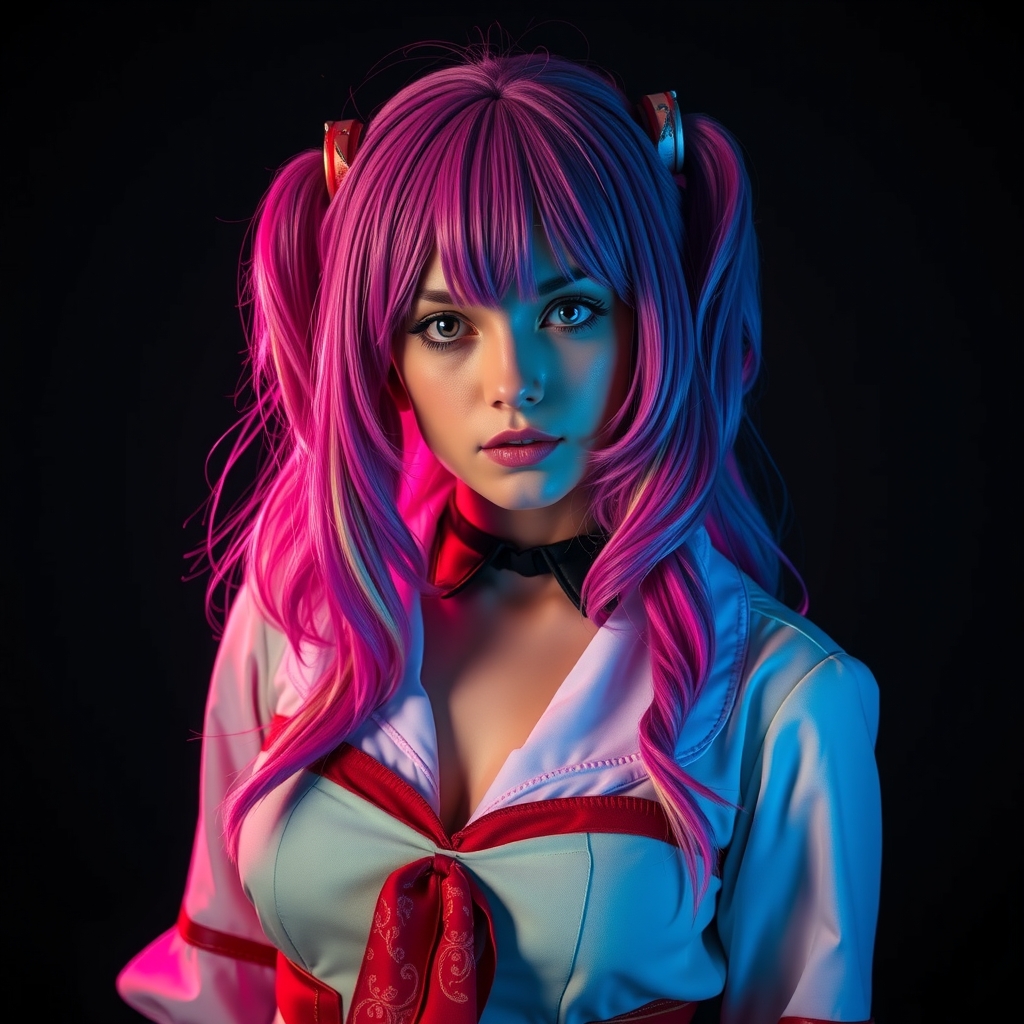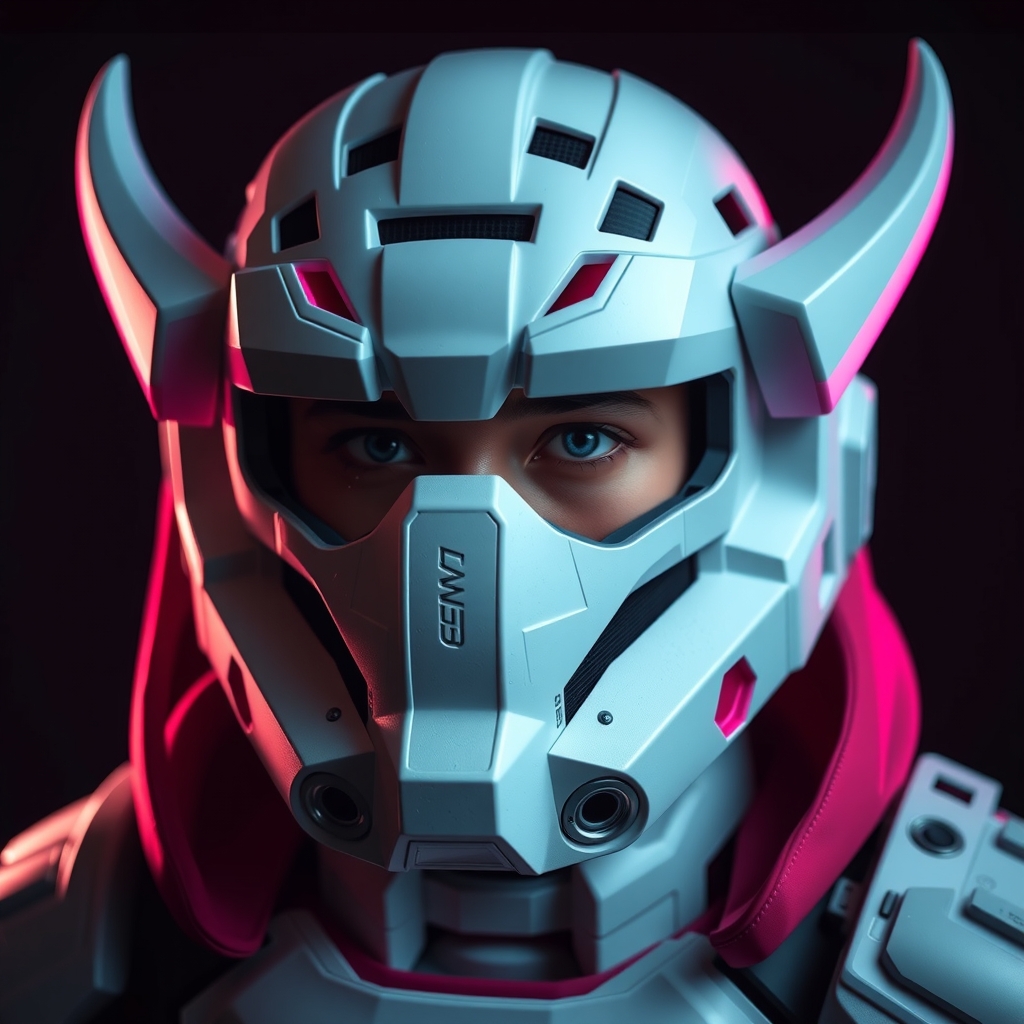

Regional conventions, such as the recent 6th Frik-Yuu in Reconquista, serve as the heartbeat of the cosplay community. These events—blending anime, gaming, gastronomy, and Asian culture—provide a vital bridge between the solitary act of crafting in a bedroom and the public act of performance. For many builders, moving from a "closet cosplay" to a public exhibition requires more than just a finished garment; it requires a strategic approach to durability, portability, and presentation.
The "Con-Ready" Audit: Preparing Your Build for the Crowd
There is a significant difference between a costume that looks great in a mirror and one that survives a two-day convention. When attending events like the Frik-Yuu, your costume is subject to "con-crud," accidental bumps from other attendees, and the physical toll of walking through exhibition halls.
Before packing your gear, perform a stress test on your high-wear areas. Check the following:
- Seam Integrity: Tug gently on the armpits and crotch areas. If you are wearing a form-fitting suit, ensure you have reinforced these seams with a zigzag stitch or a small piece of non-stretch ribbon.
- Adhesive Check: If you used hot glue for armor, remember that heat can soften those bonds. For regional events where temperatures may fluctuate, consider reinforcing critical joints with E6000 or a similar industrial adhesive.
- Fastener Redundancy: Never rely on a single zipper or button. Add a "safety" mechanism, such as a hidden Velcro strap or a safety pin, to prevent wardrobe malfunctions during a public appearance.
Engineering for Mobility and Comfort
A common mistake for builders is prioritizing the aesthetic over the ergonomics. At a multi-day event featuring gastronomy and gaming, you will be spending hours on your feet. A costume that is too heavy or restrictive will lead to premature fatigue, affecting your ability to engage with the community.
Managing Weight and Balance
If you are building oversized props or armor, distribute the weight across your hips rather than your shoulders. Use a sturdy harness system under your costume to shift the center of gravity. For large wings or capes, integrate a rigid internal frame made of PVC or aluminum wire to prevent the fabric from dragging or sagging over time.
The Breathability Factor
Cosplay materials like EVA foam and synthetic leather are notorious for trapping heat. To combat this, integrate "ventilation zones" into your design. You can hide small mesh panels in areas not visible to the camera, or use moisture-wicking undergarments to keep your skin dry. This is especially critical when navigating crowded areas filled with the aroma of Asian street food and the excitement of gaming tournaments.
The Art of the Public Presentation
Once your build is physically ready, the focus shifts to the social and performative aspect of the convention. Whether you are entering a formal competition or simply walking the floor, how you present your character influences how the public perceives your work.
Mastering the Character Pose: Study the source material of your character. Identify their "signature" silhouette. Practice these poses in a full-length mirror to see how your costume folds and moves. A well-executed pose can hide a flaw in the garment while highlighting a successful detail in the prop.
Interacting with the Community: Regional events are about connection. When posing for photos, be mindful of the space around you. Ensure your props aren't obstructing walkways or accidentally hitting other cosplayers. A polite, "in-character" interaction creates a memorable experience for both the photographer and the observer.
Logistics: Transporting Your Craft
Getting your costume to the venue is often the most stressful part of the experience. For events like the Frik-Yuu, which may involve travel to a specific city center, your transport method must be as planned as your sewing pattern.
- The Hard-Case Method: For fragile props or helmets, use a hard-shell plastic bin. Line the bottom with foam or bubble wrap to prevent the item from shifting during transit.
- The Garment Bag Strategy: Never fold high-detail fabrics. Use a hanging garment bag to prevent deep creases. If you must fold, use acid-free tissue paper between layers to prevent paint transfer or fabric crushing.
- The "Emergency Kit": Always carry a small pouch containing a multi-tool, a few safety pins, a glue stick, and a small sewing kit. These "field repairs" are often the only thing standing between a successful weekend and a costume disaster.
Integrating into the Multi-Genre Experience
The beauty of conventions that combine anime, gaming, and gastronomy is the intersection of different subcultures. As a cosplayer, you can enhance your experience by engaging with these other elements.
Consider how your character would interact with the environment. If there is a gaming zone, perhaps your character has a "gamer" counterpart. If there is a food court, use it as a backdrop for "slice-of-life" photography. These candid moments often result in more organic and engaging social media content than the standard staged photo against a plain wall.
Ultimately, the goal of attending a regional gathering is to celebrate the shared passion for creativity. By focusing on the practicalities of durability, comfort, and logistics, you free yourself from the anxiety of "will it hold together?" and allow yourself to fully immerse in the culture of the event.