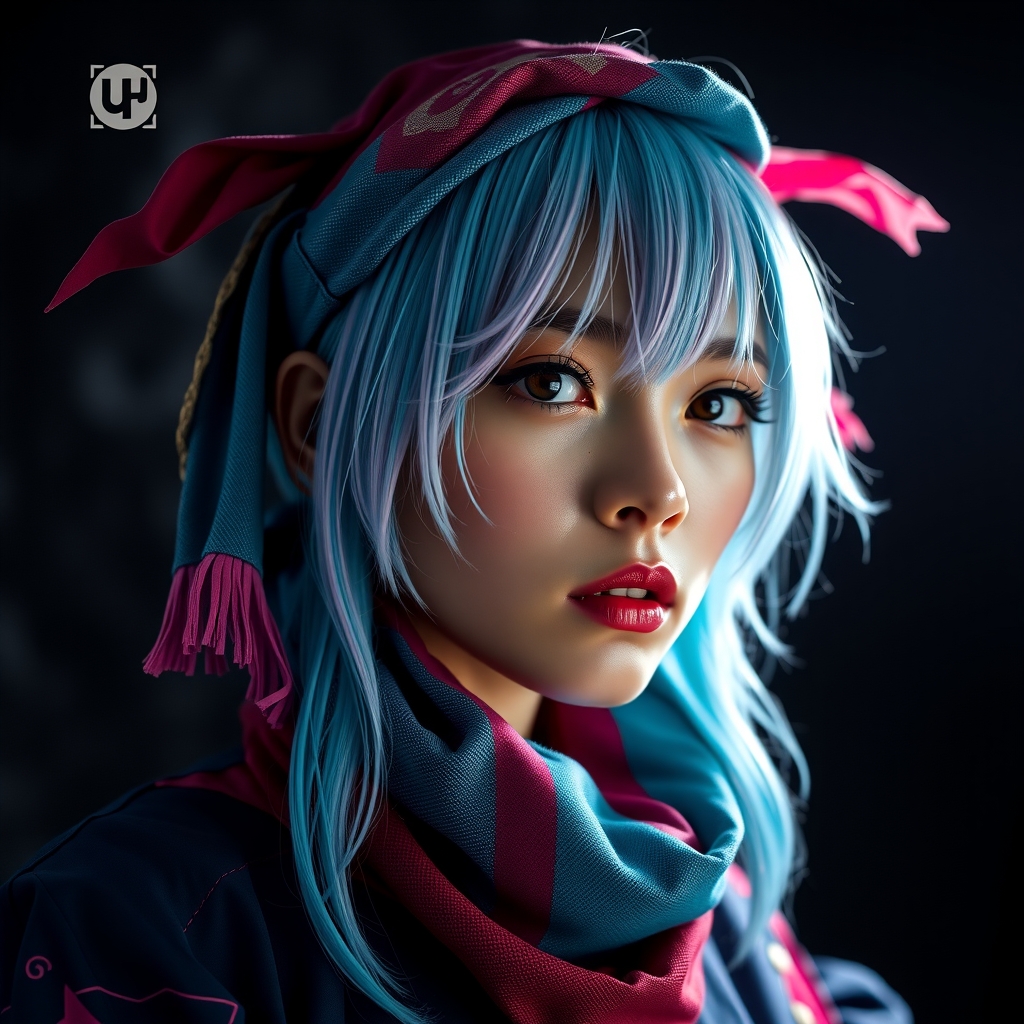
The character designs in Genshin Impact are renowned for their "maximalist" approach—combining flowing fabrics, intricate gold filigree, and asymmetrical draping. For cosplayers, recreating these complex silhouettes from scratch can be daunting and expensive. However, the secret to achieving that high-end, layered look often lies in the materials you don't buy new. Vintage scarves, often found in thrift stores or family attics, provide the perfect base for headpieces due to their unique weaves, existing hems, and rich color palettes.
Selecting the Right Vintage Textiles
Not every scarf is suitable for every character. The key to a successful upcycle is matching the fabric weight and drape to the character's elemental theme and social standing. When hunting through thrift bins, look for these specific textile types:
- Silk and Satin: Ideal for the refined, flowing elements of Liyue or Inazuma characters. These fabrics catch the light and provide the "expensive" sheen necessary for nobility.
- Chiffon and Georgette: Perfect for the airy, ethereal veils or ribbons seen on characters from Mondstadt. These are lightweight and allow for dramatic movement.
- Jacquard and Brocade: These heavier, patterned fabrics are essential for structural elements. If a character has a stiff headpiece or a formal wrap, a vintage brocade scarf provides the necessary rigidity without requiring excessive interfacing.
- Velvet: Best for the darker, moodier aesthetics of Snezhnaya or the heavier accents of certain Fontaine designs.
Pro Tip: Check for "burnout" velvet or metallic threads woven into the fabric. These details mimic the magical embroidery seen in-game and save you hours of hand-stitching gold beads or sequins.
Preparing and Deconstructing the Fabric
Before you begin sewing, you must prepare the vintage material. Old fabrics can be fragile or hold scents from decades of storage. Start by gently cleaning the item according to the fabric care label. If the label is missing, a cool soak with a mild detergent is generally safest.
Once cleaned, analyze the scarf's existing structure. Many vintage scarves have finished edges or decorative fringes. Instead of cutting everything into squares, consider how the existing hems can be used to create "instant" finished edges on your headpiece. This reduces the amount of sewing required and maintains a professional look.
If the scarf has a pattern that is too loud or a color that is slightly off, consider using fabric dyes. Since many vintage scarves are silk or cotton, they take dye well. A light tea-stain can age a bright white scarf to a "parchment" tone, fitting for an ancient scholar or a weathered adventurer.
Designing the Architecture of the Headpiece
Genshin Impact headwear rarely consists of a single piece of fabric; it is usually a composition of layers. To translate this into a physical build, break the headpiece down into three structural components:
The Base Anchor
You cannot rely on fabric alone to stay on the head. Depending on the design, use a hidden headband, a series of sturdy hair clips, or a tailored fabric cap. This anchor is where you will attach your upcycled scarf elements. Ensure the anchor is covered in a matching fabric or hidden beneath the folds of the scarf.
The Primary Drape
This is the main body of the scarf. Instead of sewing a flat piece of fabric, use "gathering" techniques. By sewing a long piece of fabric to a shorter strip of ribbon, you create the organic folds and ripples seen in Teyvat's character art. This adds volume and depth, making the accessory look like a high-budget costume piece rather than a simple piece of cloth.
The Accent Layers
Use smaller remnants of the scarf to create bows, knots, or floating ribbons. In Genshin designs, these accents often defy gravity. To achieve this, insert a thin gauge of jewelry wire or horsehair braid into the hem of the fabric. This allows you to bend and shape the fabric into specific arcs that hold their position during a convention or photo shoot.
Adding the "Teyvat Touch" with Embellishments
The difference between a "thrifted scarf" and a "cosplay prop" is the detailing. Once the fabric is draped and secured, you must add the metallic and gemstone accents that define the game's visual language.
- Gold Trim: Instead of sewing on expensive gold lace, look for gold-toned bias tape or metallic fabric paint. Applying a thin line of gold paint along the edge of a vintage silk scarf can mimic the embroidered borders of Liyue fashion.
- Jeweled Focal Points: Most Genshin headpieces feature a central gem or a metallic ornament. Use a strong adhesive or a jewelry bezel to attach a large cabochon to the center of your scarf drape. This provides a visual anchor and hides the point where the fabric attaches to the headband.
- Tassels and Beads: If your vintage scarf already has fringe, don't cut it off. Instead, slide gold beads onto the existing threads or tie small bells to the ends to create the auditory and visual flair common in Inazuman designs.
Stability and Wearability
A headpiece that slips during a photoshoot is a liability. Because vintage fabrics can be slippery (especially silk), use "tack stitches" to secure the fabric to the base anchor. A tack stitch is a small, nearly invisible stitch that holds two pieces of fabric together without creating a visible seam.
If the headpiece is top-heavy, distribute the weight. Instead of attaching everything to one point on the head, use "invisible" fishing line or clear elastic bands to anchor the trailing ends of the scarf to your shoulders or the back of your wig. This prevents the fabric from pulling backward and ensures the silhouette remains consistent regardless of your movement.
Maintenance and Preservation
Upcycled vintage fabrics are often more delicate than modern costume fabrics. To keep your headpiece in top condition, avoid using heavy steam irons directly on the fabric, as this can flatten the weave or damage metallic threads. Use a pressing cloth between the iron and the scarf.
When storing your headpiece, avoid folding it tightly, which can create permanent creases in the silk. Instead, stuff the folds with acid-free tissue paper and store it in a breathable garment bag. This preserves the "loft" of the drapes, meaning you will spend less time styling it before your next event.