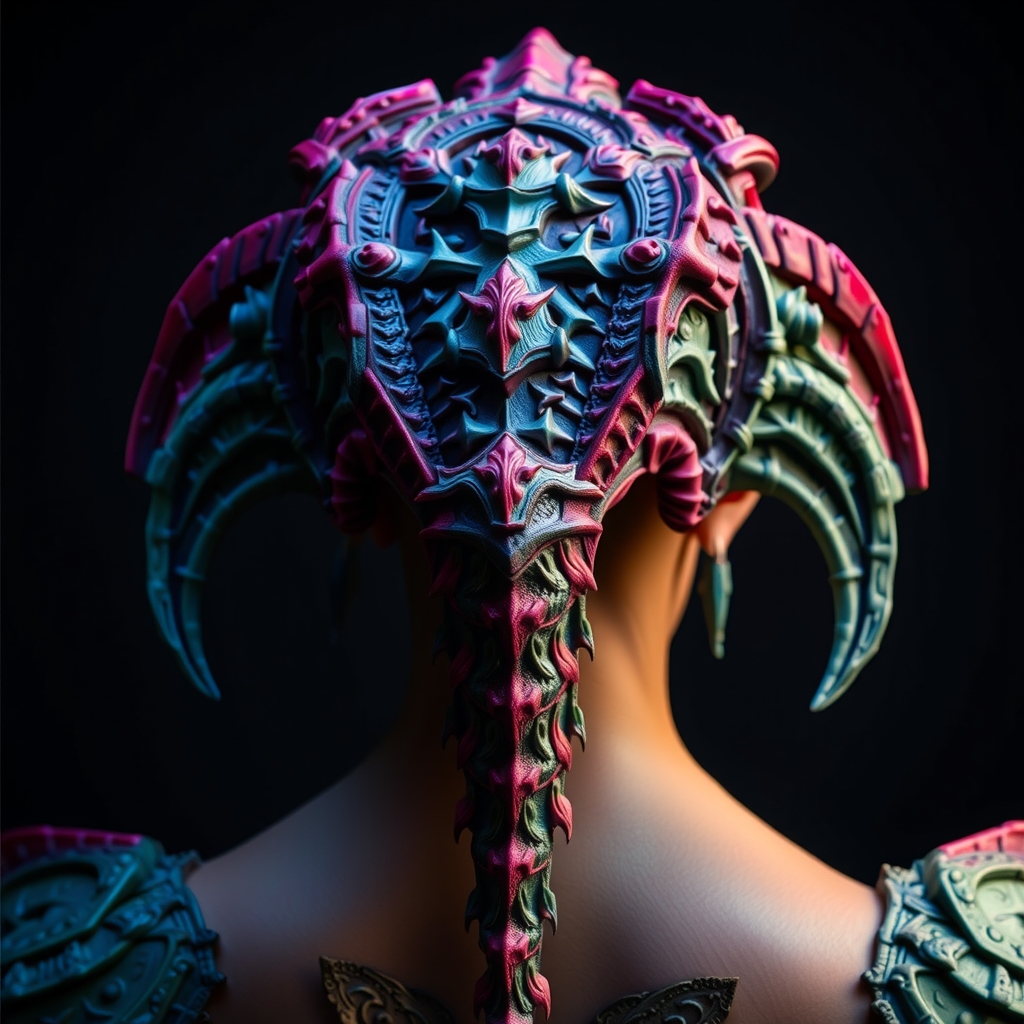

Introduction to Shibori
Shibori is a traditional Japanese technique of resist dyeing fabric, which involves folding, twisting, or pleating fabric to create resistance areas that prevent dye from penetrating. This results in unique, intricate patterns and textures that can add depth and visual interest to cosplay fabrics. In this guide, we'll explore the basics of Shibori and how to apply these techniques to create realistic anime-inspired textures for your cosplay projects.Understanding Shibori Techniques
There are several Shibori techniques that can be used to create different textures and patterns. Some of the most common methods include:- Kōkechi: A technique that involves folding fabric into small pleats and binding it with thread to create a textured, grid-like pattern.
- Nui Shibori: A method that involves stitching and gathering fabric to create a series of small, rounded folds that resist dye.
- Itajime Shibori: A technique that involves folding and binding fabric with thread or clips to create geometric patterns and shapes.
Preparing Fabric for Shibori
Before you begin applying Shibori techniques, it's essential to prepare your fabric. Here are a few steps to follow:Choose a suitable fabric: Look for natural fibers like cotton, silk, or wool, as they take dye well and can hold a crisp fold. Synthetic fibers like polyester or nylon may not produce the same level of texture and color intensity.
Pre-wash and dry your fabric: This ensures that the fabric is clean and free of any finishes that may affect the dye.
Iron and fold your fabric: Iron your fabric to remove any wrinkles, and then fold it according to the Shibori technique you're using.
Basic Shibori Techniques for Cosplay Fabrics
Here are a few basic Shibori techniques that can be used to create anime-inspired textures for cosplay fabrics:- Folding and binding: Fold your fabric into a series of small pleats or shapes, and then bind it with thread or clips. This will create areas of resistance that prevent dye from penetrating.
- Stitching and gathering: Use a needle and thread to stitch and gather your fabric, creating small, rounded folds that resist dye.
- Clipping and twisting: Use clips or twists to hold your fabric in place, creating geometric patterns and shapes.
Working with Dye
Once you've applied your Shibori techniques, it's time to work with dye. Here are a few tips to keep in mind:Choose the right dye: Select a dye that's suitable for your fabric type and the color you want to achieve.
Prepare your dye: Follow the instructions on the dye packaging to prepare your dye bath.
Dye your fabric: Submerge your Shibori-treated fabric in the dye bath, making sure that it's fully covered.
Rinse and wash: Rinse your fabric gently to remove excess dye, and then wash it in cold water to stop the dyeing process.
Tips and Variations
Here are a few tips and variations to help you achieve unique and realistic anime-inspired textures:- Experiment with different folds and bindings: Try out different Shibori techniques and folding patterns to create a range of textures and patterns.
- Combine Shibori with other techniques: Mix Shibori with other fabric manipulation techniques, such as pleating or gathering, to create complex and interesting textures.
- Use multiple dyes: Experiment with multiple dye colors and techniques, such as layering or ombre, to achieve a range of colors and shades.