
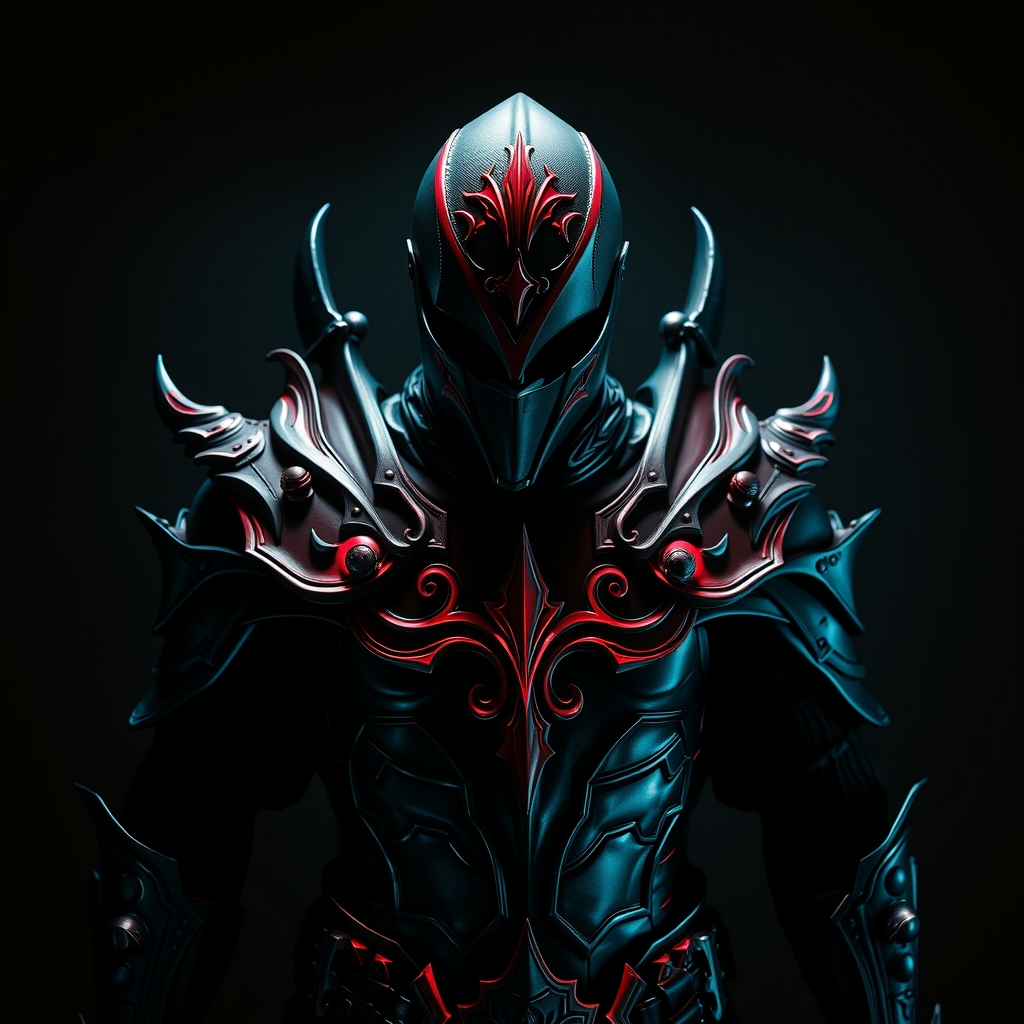
The Aesthetic of Sanctuary
Cosplaying characters from Diablo IV requires a departure from the clean, polished lines of high fantasy. The world of Sanctuary is defined by "grim-dark" aesthetics: armor is battered, leather is stained, and every piece of equipment looks as though it has survived a trek through a desecrated cathedral. To achieve this look, builders must focus on texture and weight. The goal is not to make the armor look new, but to make it look lived-in and burdened by the weight of a supernatural war.
The most effective way to capture this duality—the rigidity of plate armor and the flexibility of gothic attire—is through a hybrid build. By combining Worbla (a heat-moldable thermoplastic) with leather or high-quality faux leather, you can create pieces that are structurally sound yet visually organic. This guide focuses on the technical integration of these materials to create professional-grade gothic armor.
Designing for Gothic Silhouette
Before touching your materials, analyze the silhouette. Diablo IV armor often features exaggerated proportions: high collars, sharp pauldrons, and heavy boots. To translate this to a costume, you must balance visual weight with mobility.
- The Rule of Contrast: Pair rigid Worbla plates with soft leather joints. If your gauntlets are hard plastic, ensure the elbow joints are leather to allow for natural movement.
- Layering: Gothic armor is rarely a single piece. Build in layers: a base fabric tunic, followed by leather straps, and finally the thermoplastic plating. This adds physical depth and realism to the costume.
- Asymmetry: Sanctuary's warriors are scarred. Consider making one pauldron slightly more damaged or adding an asymmetrical leather wrap to one forearm to break the visual monotony.
Working with Worbla for Rigid Plating
Worbla is ideal for the ornate, sculpted elements of Diablo armor, such as embossed chestplates or spiked shoulder guards. Because it can be molded and reshaped repeatedly, it allows for the organic, slightly warped look of forged metal.
The Sculpting Process: Start by creating a pattern from duct tape and plastic wrap over your body. Transfer these patterns to the Worbla. Use a heat gun to soften the material, then mold it directly to your form or a mannequin. To achieve the "hammered metal" effect common in the game, use a ball-point tool or a rounded metal rod to press small indentations into the thermoplastic while it is still warm.
Adding Detail: For the intricate filigree found on high-tier gear, use a layering technique. Cut thin strips of Worbla and glue them onto the base plate using additional heat. Once the shape is set, use a sculpting tool to blend the seams, creating a seamless transition that looks like cast iron or steel.
Integrating Leather for Texture and Utility
While Worbla provides the structure, leather provides the soul of the costume. Leather is essential for belts, straps, under-armor padding, and the flexible sections of boots and gloves.
Combining Materials: To attach Worbla to leather, avoid relying solely on glue. Instead, use mechanical fasteners. Punch holes through the thermoplastic and use Chicago screws or rivets to secure the armor plates to leather straps. This not only looks more authentic to the period but also ensures the armor doesn't shift during a convention.
Leather Treatment: To match the Diablo palette, avoid bright, polished leathers. Opt for matte finishes in deep browns, charcoal, or black. If your leather is too shiny, lightly sand the surface with high-grit sandpaper to remove the factory sheen, allowing it to absorb dyes and stains more effectively.
The Art of Grim-Dark Weathering
A clean piece of armor is a failure in the context of Diablo IV. Weathering is what transforms a "costume" into a "prop." The key is to build up layers of grime and wear over time.
- The Base Coat: Paint your Worbla with a dark metallic acrylic or spray paint. Avoid a uniform silver; instead, use a mix of gunmetal and deep bronze.
- The Wash: Apply a "black wash"—a highly diluted mixture of black and brown acrylic paint. Slather this over the entire piece, then quickly wipe it away with a rag. The paint will remain in the crevices and embossed details, creating instant depth and artificial age.
- Dry Brushing: Use a nearly dry brush with a light silver or steel paint. Lightly flick the brush across the raised edges and corners of the armor. This simulates "edge wear," where the paint has rubbed off to reveal the raw metal beneath.
- Organic Grime: Use cinnamon or real dirt mixed with a matte medium to create "mud" deposits around the boots and lower greaves. For blood splatter, use a deep burgundy ink rather than bright red, as dried blood is darker and more brownish in hue.
Comfort and Long-Term Wear
Heavy armor can become a liability during long convention days. To ensure your Diablo build is wearable, focus on the interior.
Padding: Line the inside of your Worbla plates with EVA foam or felt. This prevents the hard plastic from digging into your skin and provides a buffer that absorbs sweat, protecting the armor from the inside out.
Ventilation: Gothic armor is inherently hot. If your design includes a full chestplate, consider drilling small, discreet ventilation holes in areas hidden by leather straps or fabric. This allows heat to escape without ruining the visual silhouette.
Weight Distribution: Ensure that the weight of your pauldrons is supported by a sturdy chest harness rather than just resting on your shoulders. A leather harness distributed across the torso prevents fatigue and keeps the armor from sliding forward as you move.
Final Assembly and Finishing Touches
The final step is the integration of accessories. Diablo IV characters are often adorned with pouches, vials, and weathered scrolls. Use scrap leather to create small pouches and attach them to your belt using weathered twine or rusted metal rings.
Check your mobility one last time. Ensure you can sit, walk, and raise your arms without the Worbla plates colliding or the leather straps pinching. Once the fit is perfected, a final spray of matte sealant will lock in your weathering and protect the piece from moisture and fingerprints, ensuring your journey through the depths of the underworld remains visually stunning.