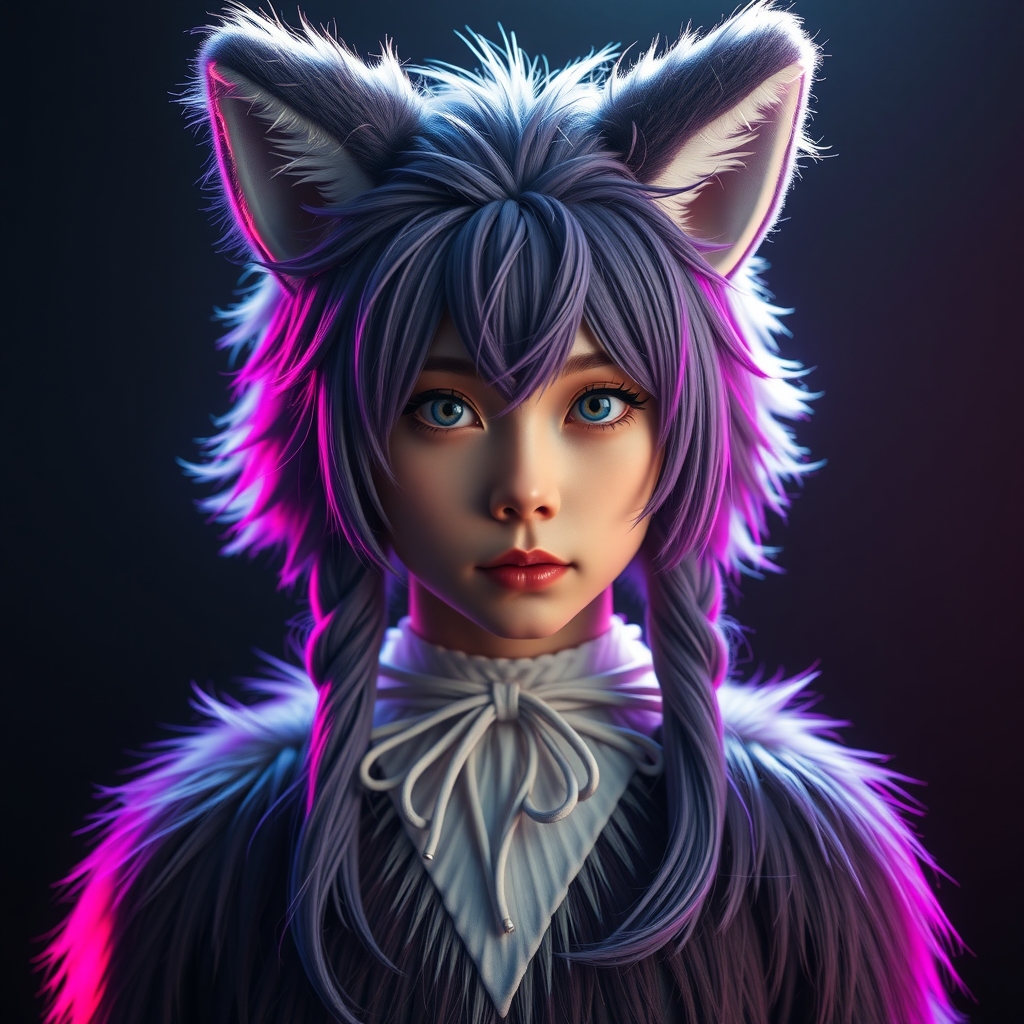
Introduction to Fursuit Construction
Creating a hyper-realistic fursuit is a challenging yet rewarding experience that requires a combination of artistic skill, attention to detail, and knowledge of specialized materials and techniques. For beginners, getting started can seem daunting, but with a solid understanding of the basics, you can set yourself up for success. In this guide, we'll explore the fundamental steps and materials needed to craft stunning, anime-inspired fursuits that will take your cosplay to the next level.
Understanding Fursuit Types and Construction Methods
Before diving into construction, it's essential to understand the different types of fursuits and construction methods. There are several styles to choose from, including:
- Full-body fursuits: These suits cover the entire body, including the head, hands, and feet.
- Partial fursuits: These suits cover only specific parts of the body, such as the head, tail, or paws.
- Props and accessories: These can include items like tails, ears, or claws that can be added to existing costumes.
Each type of fursuit requires a unique approach to construction, and understanding the specific needs of your project will help you plan and prepare.
Materials and Tools for Fursuit Construction
To create a hyper-realistic fursuit, you'll need to work with a variety of specialized materials and tools. Some essential items to get started include:
- Fur fabric: This can be made from a variety of materials, including faux fur, yarn, or fabric paint.
- Foam and latex: These materials are often used for creating prosthetic pieces, such as ears, noses, and mouths.
- Pattern-making materials: These can include paper, cardboard, or digital software for creating custom patterns.
- Sewing and embroidery tools: A good sewing machine and embroidery needles are essential for working with fur fabric.
Creating a Fursuit Pattern and Base
Creating a fursuit pattern and base is a crucial step in the construction process. Here are some tips to get you started:
- Take accurate measurements: Use a flexible measuring tape to take precise measurements of your body or the specific area you want to cover with the fursuit.
- Create a pattern: Use paper or digital software to create a custom pattern based on your measurements.
- Choose a base material: Select a suitable material for the base of your fursuit, such as fleece, cotton, or spandex.
- Cut out the pattern pieces: Use scissors or a craft knife to cut out the pattern pieces from your base material.
Working with Fur Fabric
Working with fur fabric can be challenging, but with the right techniques, you can achieve a natural, realistic look. Here are some tips for working with fur fabric:
- Choose the right type of fur: Select a fur fabric that is suitable for your project, taking into account factors like texture, color, and durability.
- Use a walking foot or Teflon foot: These specialized feet can help prevent the fur fabric from slipping or bunching up while sewing.
- Use a sharp needle: A sharp needle can help prevent the fur fabric from fraying or becoming misshapen.
- Style the fur: Use a brush or comb to style the fur and create a natural, realistic look.
Adding Details and Finishing Touches
Once you have the basic fursuit constructed, it's time to add details and finishing touches. Here are some tips to help you get started:
- Add prosthetic pieces: Use foam and latex to create prosthetic pieces, such as ears, noses, and mouths.
- Embellish with embroidery or appliques: Use embroidery or appliques to add details like eyes, eyebrows, or whiskers.
- Add a tail or other accessories: Use fabric, foam, or other materials to create a tail or other accessories.
- Finishing touches: Use makeup, paint, or other materials to add a realistic finish to your fursuit.
Conclusion and Next Steps
Creating a hyper-realistic fursuit is a challenging yet rewarding experience that requires patience, skill, and attention to detail. By following the steps and techniques outlined in this guide, you can set yourself up for success and create a stunning, anime-inspired fursuit that will take your cosplay to the next level. For further learning and inspiration, consider checking out online tutorials, cosplay communities, and fursuit makers for guidance and support.