
Introduction to Foam Wiring
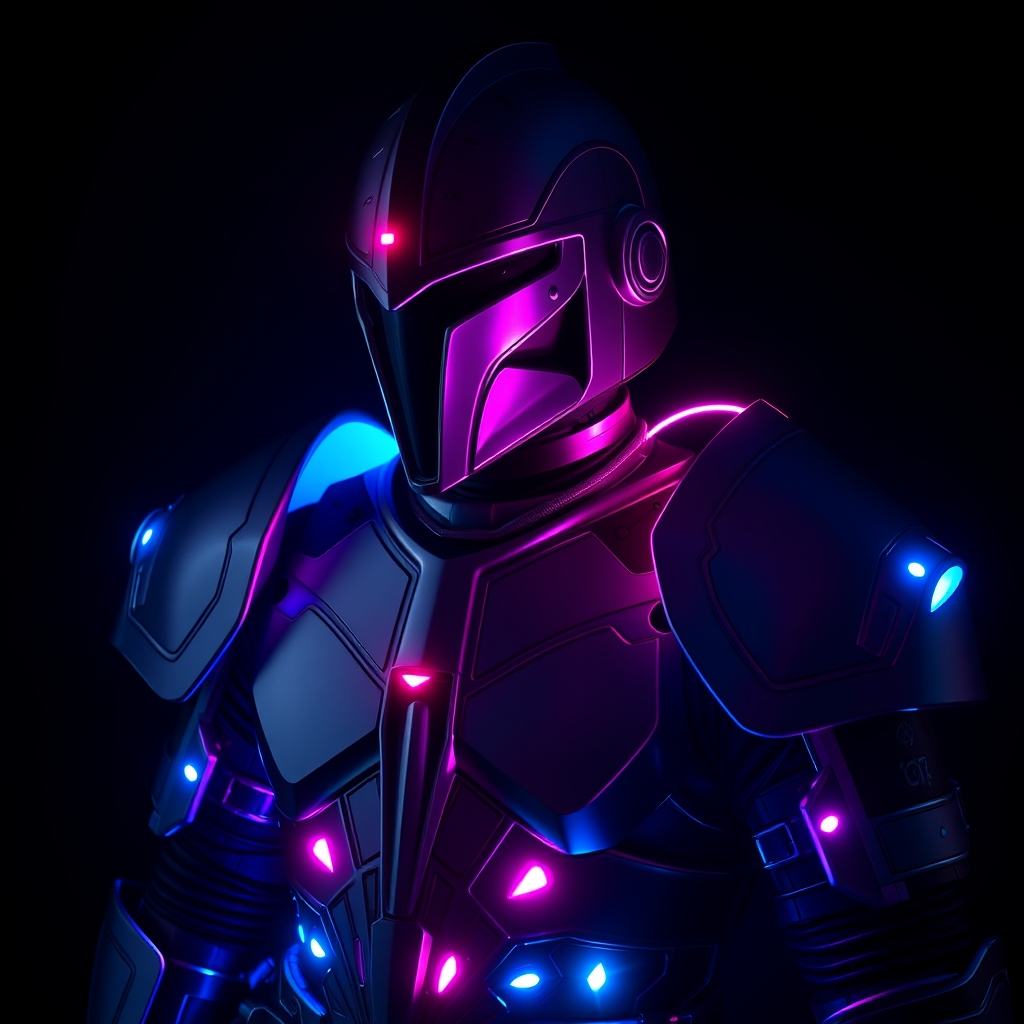
Foam wiring, also known as foam electronics integration, is the process of combining foam materials with electronic components to create realistic, functional cosplay armor. This technique has become increasingly popular among cosplayers and prop makers, as it allows for the creation of intricate, detailed designs that mimic the look and feel of real armor. In this guide, we'll cover the basics of foam wiring, including the materials and tools you'll need, as well as step-by-step instructions for creating your own foam-wired cosplay armor.
Materials and Tools
Before you begin, make sure you have the following materials and tools:
- Foam materials (e.g., Worbla, Wonderflex, or EVA foam)
- Electronic components (e.g., LED strips, Arduino boards, or battery packs)
- Wire (e.g., copper or silver-plated)
- Soldering iron and solder
- Hot glue gun and glue sticks
- Foam cutting tools (e.g., craft knife, heat gun, or foam cutter)
- Electrical tape or heat shrink tubing
Choosing the Right Foam Material
When it comes to foam wiring, the type of foam material you choose can make a big difference. Here are a few popular options:
- Worbla: A thermoplastic foam that's easy to shape and mold, Worbla is a popular choice for cosplay armor.
- Wonderflex: A flexible, fabric-like foam that's great for creating curved or irregular shapes.
- EVA foam: A lightweight, versatile foam that's often used for crafting props and armor.
Designing Your Foam-Wired Armor
Before you start building, take some time to plan out your design. Consider the following factors:
- Electronics placement: Think about where you want to place your electronic components, such as LED strips or Arduino boards.
- Foam layout: Plan out the layout of your foam pieces, including any seams or joints.
- Power source: Decide on a power source, such as a battery pack or USB connection.
Integrating Electronics with Foam
Once you have your design planned out, it's time to start integrating your electronics with your foam material. Here are a few tips:
- Use hot glue to secure components: Hot glue is a great way to attach electronic components to your foam material.
- Wire carefully: Make sure to route your wires carefully, using electrical tape or heat shrink tubing to secure them.
- Test as you go: Test your electronics as you go to ensure that everything is working properly.
Tips and Tricks
Here are a few additional tips and tricks to keep in mind when working with foam and electronics:
- Use a multimeter: A multimeter can be a lifesaver when working with electronics, helping you to troubleshoot issues and ensure that your components are working properly.
- Keep it simple: Don't be afraid to simplify your design if needed – sometimes, less is more.
- Practice makes perfect: Foam wiring is a skill that takes practice, so don't get discouraged if it doesn't come easily at first.
Conclusion
Foam wiring is a powerful technique for creating realistic, functional cosplay armor. By following the tips and best practices outlined in this guide, you can create stunning, one-of-a-kind pieces that bring your characters to life. Remember to always practice safety when working with electronics and foam, and don't be afraid to experiment and try new things.