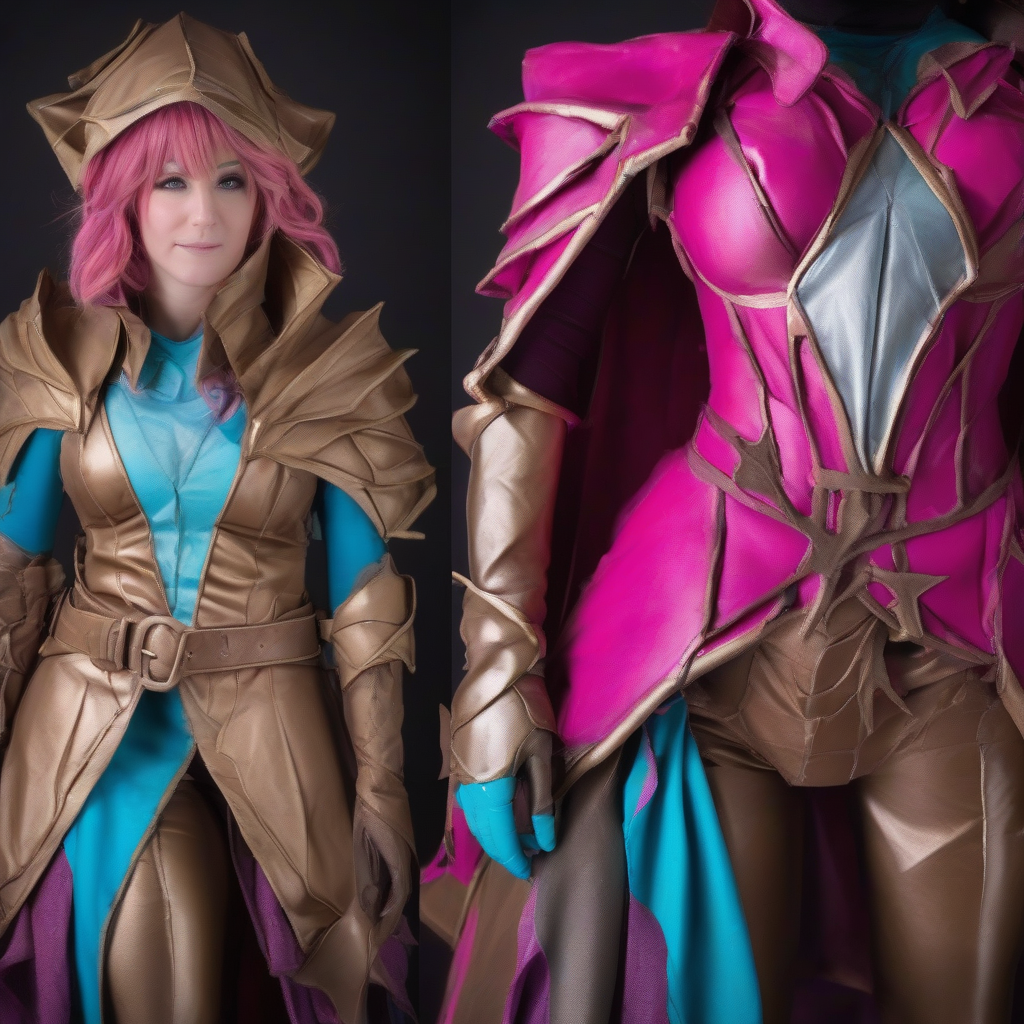
Introduction to Layering with Worbla and Thermoplastics
Creating realistic fabric texture is a crucial aspect of cosplay, as it can elevate a costume from good to great. One of the most effective ways to achieve this is by using Worbla and thermoplastics. These materials offer a versatile and durable solution for crafting intricate fabric details, but mastering their use requires a solid understanding of layering techniques. In this guide, we'll explore the basics of working with Worbla and thermoplastics, and provide a step-by-step tutorial on how to create stunning, realistic fabric texture.
Understanding Worbla and Thermoplastics
Worbla is a type of thermoplastic material commonly used in cosplay and prop making. It's known for its flexibility, durability, and ease of use. Thermoplastics, on the other hand, are a class of materials that can be molded and shaped when heated, and retain their form when cooled. When used together, Worbla and thermoplastics offer a powerful combination for creating realistic fabric texture.
Choosing the Right Materials
Before starting your project, it's essential to choose the right materials for the job. Worbla comes in various types, each with its own unique properties and uses. Some popular types of Worbla include:
- Worbla Thermoplastic: A versatile, general-purpose thermoplastic suitable for most projects.
- Worbla Fusion: A high-temperature thermoplastic ideal for creating detailed, intricate designs.
- Worbla Arkemide: A specialty thermoplastic designed for creating lightweight, flexible parts.
Preparing Your Workspace and Materials
To achieve the best results, it's crucial to work in a well-ventilated area, and use proper safety equipment, such as gloves and a heat-resistant surface. Make sure your workspace is clear of any debris or obstructions, and that you have all the necessary tools and materials within reach.
Basic Techniques for Working with Worbla and Thermoplastics
Before diving into layering techniques, it's essential to master some basic skills:
- Cutting: Use a sharp knife or scissors to cut out your Worbla or thermoplastic material.
- Shaping: Use heat to shape and mold your material into the desired form.
- Bonding: Use a heat gun or other tools to bond multiple pieces of material together.
Layering Techniques for Realistic Fabric Texture
Now that you've mastered the basics, it's time to dive into layering techniques. The key to creating realistic fabric texture is to build up layers of material gradually, using a combination of Worbla and thermoplastics.
Step 1: Creating the Base Layer
Start by creating a base layer using a thin sheet of Worbla or thermoplastic material. This layer should be slightly larger than the area you want to cover, and will serve as the foundation for your fabric texture.
Step 2: Adding Texture and Pattern
Use a heat gun or other tool to add texture and pattern to your base layer. You can use a variety of techniques, such as:
- Stamping: Use a textured tool or stamp to add patterns and designs.
- Carving: Use a sharp knife or tool to carve intricate designs and textures.
- Molding: Use heat to mold and shape your material into the desired form.
Step 3: Building Up Layers
Continue building up layers of material, gradually adding more texture and detail. Make sure to allow each layer to cool and set before adding the next, to prevent warping or distortion.
Tips and Tricks for Achieving Realistic Fabric Texture
Here are a few final tips and tricks to help you achieve realistic fabric texture:
- Pay attention to drape and fold: Make sure your fabric texture drapes and folds naturally, like real fabric.
- Use reference images: Study reference images of the character or fabric you're trying to replicate, to get a sense of the texture and pattern.
- Experiment and be patient: Don't be afraid to try new techniques and experiment with different materials and layering combinations.
By following these techniques and tips, you can create stunning, realistic fabric texture using Worbla and thermoplastics. With practice and patience, you'll be able to achieve professional-looking results that will take your cosplay to the next level.