
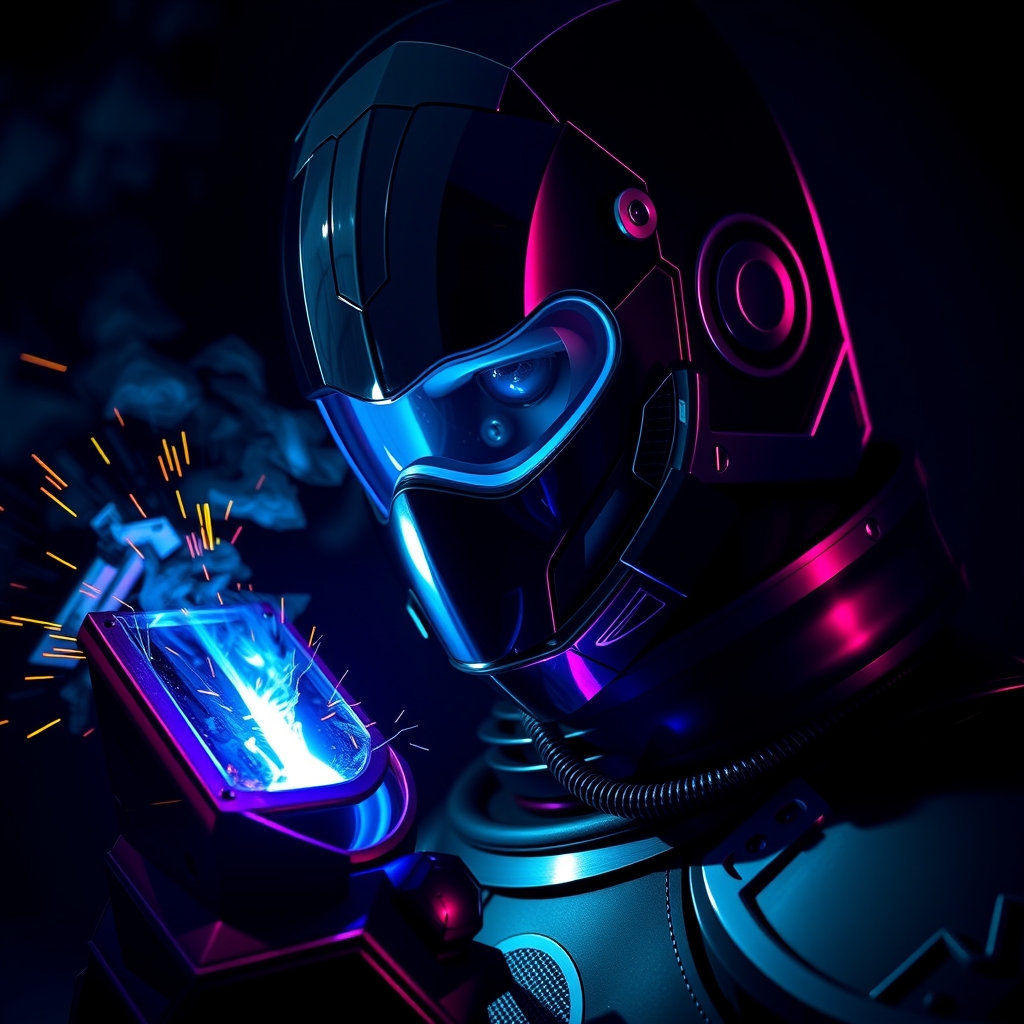
Introduction to Thermoplastic Welding
Thermoplastic welding is a versatile and effective technique for joining thermoplastic materials, commonly used in cosplay armor and prop making. This guide will walk you through the fundamental principles, essential tools, and expert tips to master thermoplastic welding and take your cosplay creations to the next level.
Understanding Thermoplastics
Thermoplastics are a type of plastic that can be melted and reformed multiple times without undergoing any significant chemical change. This property makes them ideal for welding and shaping into complex forms. Common thermoplastics used in cosplay include Worbla, Wonderflex, and Thermoplastic sheets.
Types of Thermoplastic Welding
- Heat welding: Uses heat to melt and join thermoplastics.
- Solvent welding: Uses a solvent to dissolve and fuse thermoplastics.
- Ultrasonic welding: Uses high-frequency vibrations to create friction and melt thermoplastics.
For cosplay applications, heat welding and solvent welding are the most commonly used techniques.
Essential Tools and Materials
To get started with thermoplastic welding, you'll need the following essential tools and materials:
- Heat source: A heat gun, heat lamp, or welding rod are common heat sources used for thermoplastic welding.
- Welding rod: A thermoplastic rod that matches the material you're working with.
- Thermoplastic sheets: The material you'll be welding.
- Solvent: A solvent specifically designed for the type of thermoplastic you're working with.
- Safety equipment: Heat-resistant gloves, safety glasses, and a well-ventilated workspace.
Heat Welding Techniques
Heat welding involves applying heat to the thermoplastic material to melt and join it. Here are some expert tips:
- Prepare your workspace: Ensure a clean, dry, and well-ventilated workspace.
- Clean the material: Remove any dirt, oils, or residue from the thermoplastic surface.
- Apply heat: Use a heat gun or heat lamp to melt the thermoplastic material.
- Use a welding rod: Apply the welding rod to the melted material, using a gentle pressing motion.
- Shape and smooth: Use a heat-resistant tool to shape and smooth the welded area.
Solvent Welding Techniques
Solvent welding involves applying a solvent to the thermoplastic material to dissolve and fuse it. Here are some expert tips:
- Prepare your workspace: Ensure a clean, dry, and well-ventilated workspace.
- Clean the material: Remove any dirt, oils, or residue from the thermoplastic surface.
- Apply solvent: Use a solvent specifically designed for the type of thermoplastic you're working with.
- Join the material: Press the two pieces of thermoplastic together, ensuring a strong bond.
- Allow to dry: Let the solvent dry completely before handling the welded area.
Tips and Best Practices
Here are some additional tips and best practices to keep in mind:
- Practice makes perfect: Thermoplastic welding requires practice to master.
- Use proper ventilation: Ensure a well-ventilated workspace when working with solvents or heat.
- Test and iterate: Test your welds and make adjustments as needed.
- Document your process: Keep a record of your techniques, successes, and failures.
Conclusion
Mastering thermoplastic welding is a valuable skill for any cosplayer or prop maker. With practice, patience, and the right techniques, you can create stunning and durable cosplay armor and props. Remember to always follow safety guidelines and best practices to ensure a successful and enjoyable crafting experience.