The Rise of Cosplay as a Form of Self-Expression
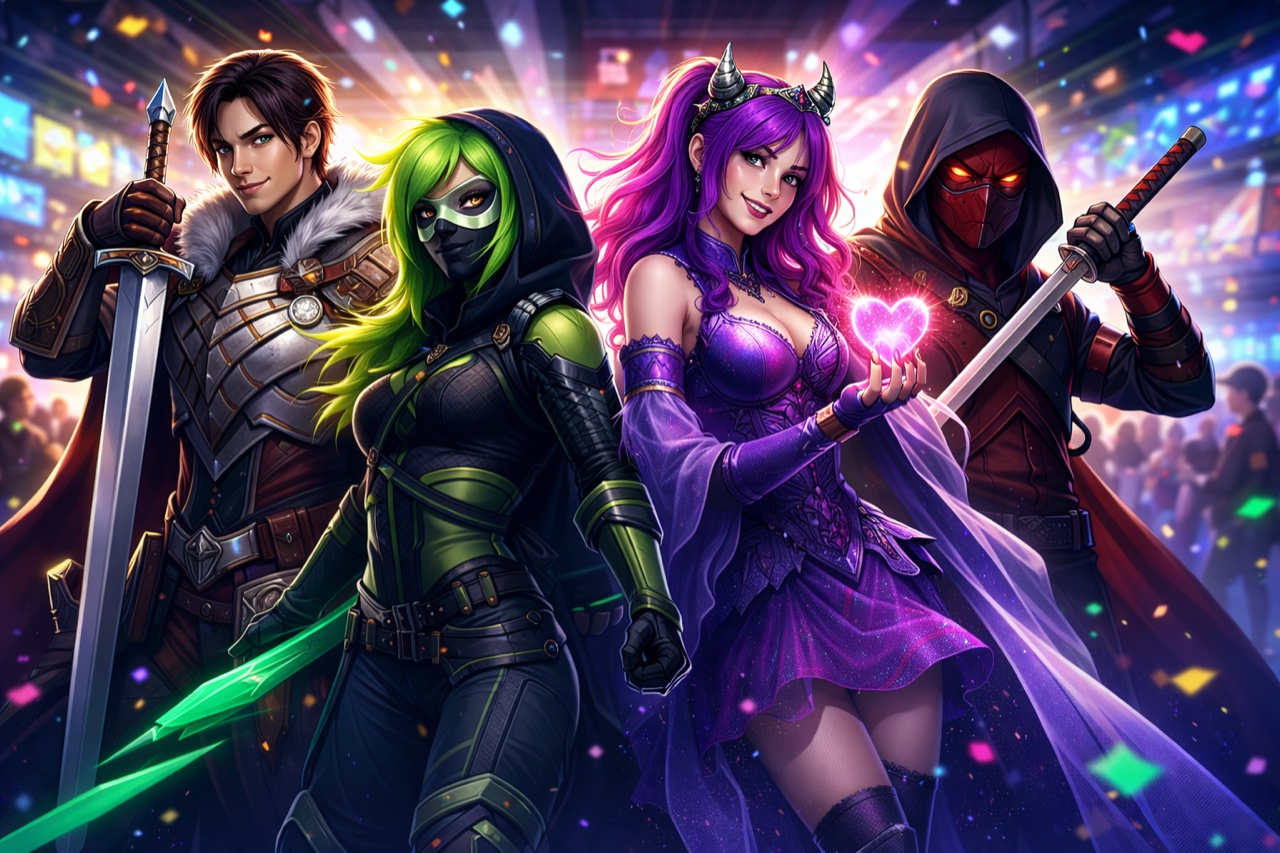
Over the years, cosplay has evolved from a niche hobby to a global phenomenon, with millions of enthusiasts showcasing their creative talents at conventions, online platforms, and public events. At its core, cosplay is a celebration of self-expression, allowing individuals to embody their favorite characters and bring fictional worlds to life. However, as the art form continues to push boundaries, it also raises important questions about artistic freedom, public decency, and community standards.
The Blurred Lines of Cosplay Censorship
The recent controversy surrounding Lee Se-young's cosplay is a prime example of the ongoing debate. While some fans argue that her bold costume is a legitimate expression of artistic freedom, others claim that it crosses the line into indecent exposure. This dichotomy highlights the challenges of navigating cosplay censorship, where individual perspectives on what is acceptable can vary greatly.
In many countries, laws and regulations around public decency and obscenity are vague or inconsistently enforced, leaving cosplayers and event organizers to self-regulate and establish their own community standards. This can lead to confusion, as some events may permit certain types of costumes while others may not.
Arguments for Artistic Freedom in Cosplay
Proponents of artistic freedom in cosplay argue that the art form is a protected form of self-expression, akin to other creative outlets like fashion, performance art, or photography. They contend that:
- Cosplay is a form of social commentary, allowing individuals to critique societal norms and challenge cultural taboos.
- The art form requires a high level of creativity, skill, and craftsmanship, deserving of respect and recognition.
- Restrictive censorship can stifle innovation and stifle the growth of the cosplay community.
Concerns Around Public Decency and Community Standards
On the other hand, those who advocate for stricter guidelines around cosplay argue that:
- Public events and conventions often feature family-friendly activities and attendees of all ages, necessitating a level of decorum and respect for diverse sensitivities.
- Some costumes may be perceived as explicit or harassing, potentially creating a hostile environment for others.
- Event organizers and cosplayers have a shared responsibility to maintain a positive and respectful atmosphere.
Finding a Balance: Best Practices for Cosplayers and Event Organizers
So, how can cosplayers and event organizers navigate these complexities? Here are some practical suggestions:
- Cosplayers: Research event guidelines and respect the specific rules and regulations of each convention or gathering.
- Event Organizers: Establish clear, concise guidelines around costume standards and communicate them transparently to attendees.
- Community Members: Engage in respectful dialogue and foster an environment of inclusivity, empathy, and understanding.
Conclusion
The debate around cosplay censorship is multifaceted and contentious, reflecting broader societal tensions around artistic freedom, public decency, and self-expression. By acknowledging these complexities and engaging in open, respectful dialogue, we can work towards creating a more inclusive and supportive community that values creativity, diversity, and individuality.