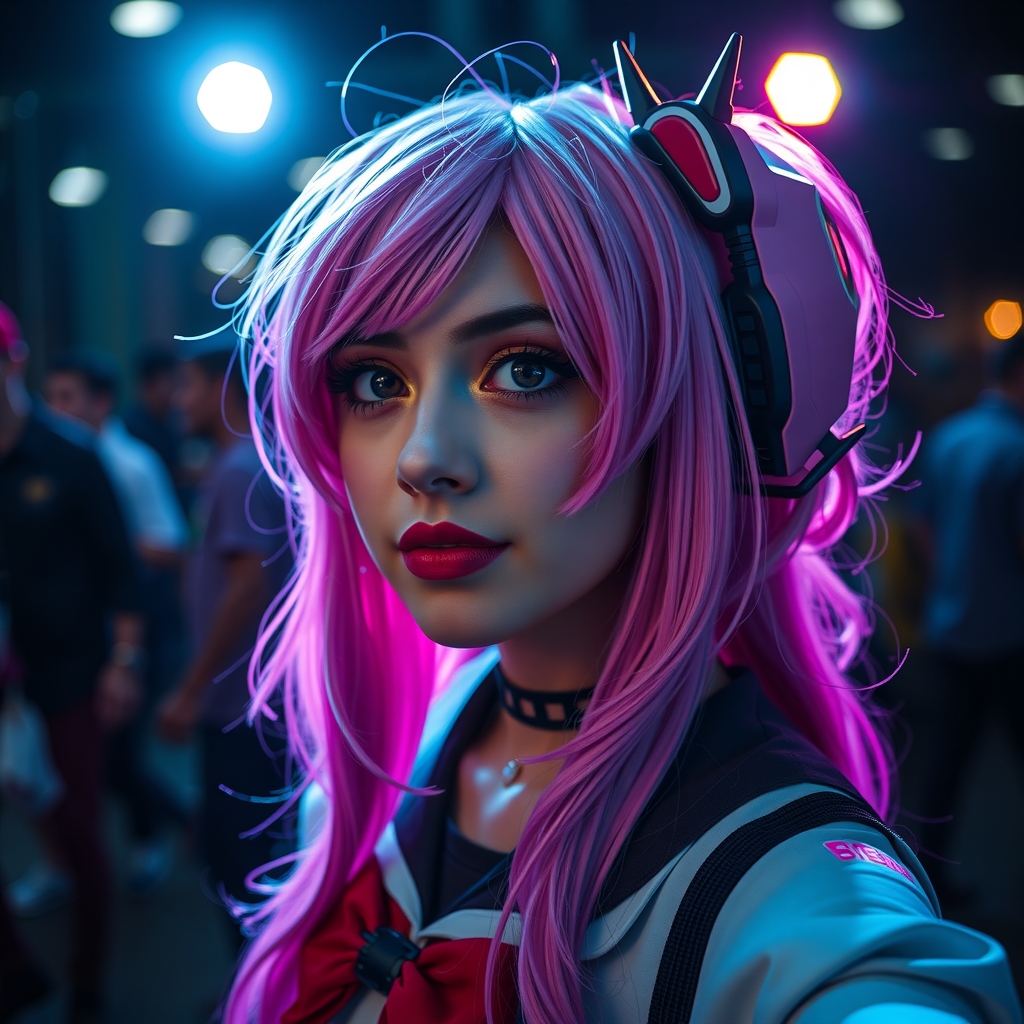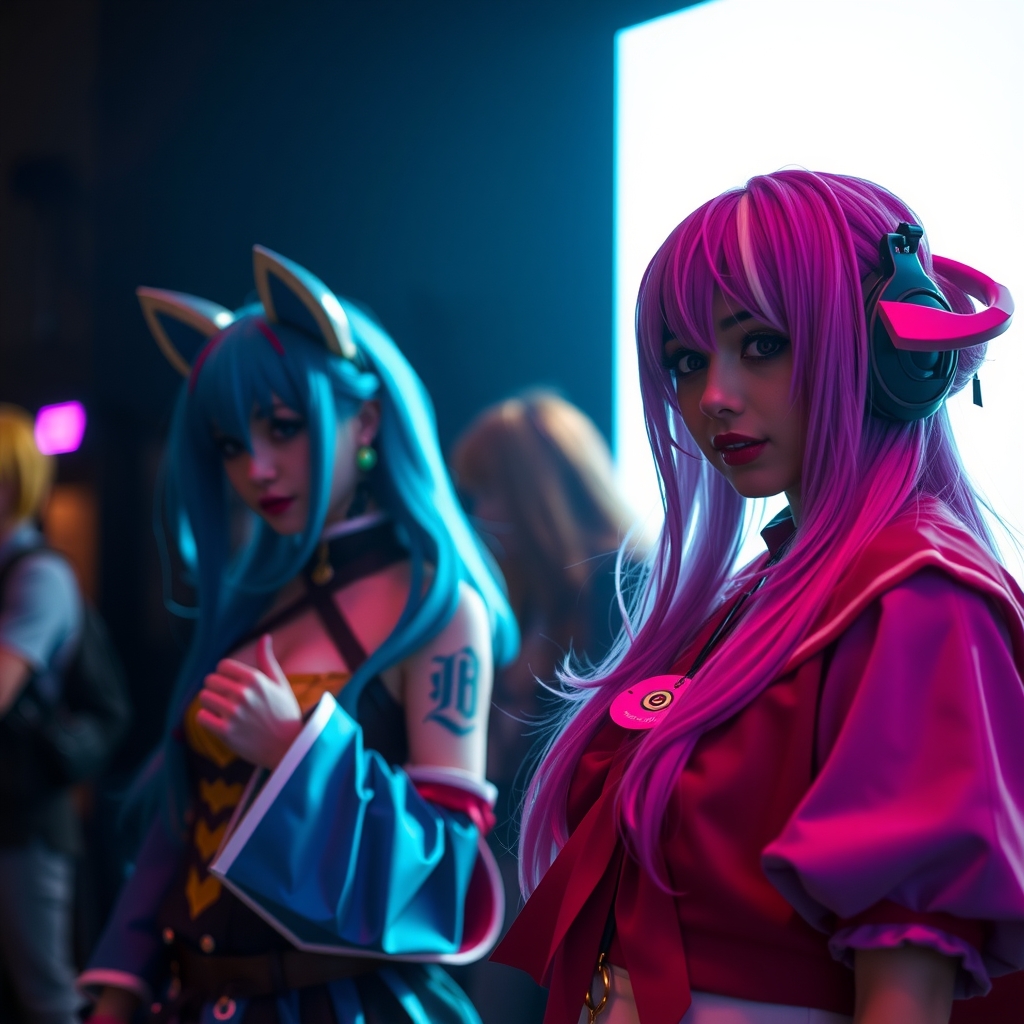
The Evolution of the In-Person Experience
The landscape of anime conventions has shifted. While the passion for cosplay and community remains constant, the expectations of attendees have evolved. Modern attendees prioritize health, accessibility, and high-quality curated experiences over sheer scale. Hosting a successful event now requires a balance between the chaotic energy of a fan gathering and the structured precision of professional event management.
To build a sustainable event, organizers must move beyond the "more is better" mentality. Instead, focus on the quality of interaction. Whether you are planning a small local meet-up or a large-scale regional convention, the goal is to create a safe "third space" where fans can express their identities without friction.
Strategic Venue Selection and Layout
The physical environment dictates the flow of the entire event. A poorly planned floor map leads to "bottlenecks," which are not only frustrating for attendees but can become safety hazards during peak hours.
Optimizing Traffic Flow
Implement a "hub and spoke" layout. Place your highest-traffic attractions—such as the main stage or the primary dealer's hall—at opposite ends of the venue. This forces attendees to move through the space, distributing the crowd and giving smaller artists' alley tables more visibility. Ensure that walkways are wide enough to accommodate cosplayers wearing oversized wings, armor, or props without blocking the path of others.
The Necessity of Dedicated Cosplay Zones
One of the most overlooked aspects of convention planning is the "changing and repair" infrastructure. Provide designated areas for cosplayers to touch up their outfits. This should include:
- Repair Stations: Tables equipped with mirrors, sewing kits, hot glue guns, and basic adhesives.
- Changing Areas: Private, screened-off sections that allow cosplayers to change without relying on crowded public restrooms.
- Photography Backdrops: Designated, well-lit zones for photos. This prevents "photo-clumping" in the middle of hallways, which often causes traffic jams.
Curating a Balanced Programming Schedule
A successful convention is more than just a marketplace; it is a cultural exchange. Programming should be diverse enough to appeal to different niches of the community while maintaining a cohesive theme.
Diversifying Panel Content
Avoid relying solely on celebrity guests. While "big names" draw crowds, community-led panels often provide the most value. Create categories for:
- Educational Workshops: Practical sessions on wig styling, foam smithing, or digital art.
- Discussion Circles: Deep dives into specific genres, tropes, or historical contexts of anime and manga.
- Interactive Events: Trivia contests, gaming tournaments, and costume masquerades.
Managing Scheduling Conflicts
Use a digital scheduling tool that allows attendees to filter events by interest. Avoid scheduling two high-demand events (like a popular guest Q&A and the Masquerade finals) at the same time. Providing a "buffer period" of 15 to 30 minutes between panels allows for room clearing and attendee movement, reducing stress for both staff and guests.
Health, Safety, and Community Guidelines
In the current era, safety is a primary concern for attendees. Clear communication regarding health protocols and behavioral expectations is non-negotiable.
Implementing Clear Conduct Policies
A robust Code of Conduct must be visible on the website, in the program guide, and posted physically throughout the venue. This policy should explicitly address:
- Consent: A strict "Cosplay is Not Consent" policy, emphasizing that costumes are not invitations for unwanted touching or photography.
- Prop Safety: Clear guidelines on weapon replicas. Prohibit functional weapons and require all props to be "peace-bonded" (marked as non-functional) upon entry.
- Harassment: A zero-tolerance policy for harassment, with a clear, publicized process for reporting incidents to staff.
Health and Wellness Infrastructure
Beyond basic first aid, consider the sensory needs of your guests. Anime conventions are loud and visually overwhelming. Establishing a "Quiet Room"—a low-stimulation environment with dimmed lights and no loud music—provides a necessary sanctuary for neurodivergent attendees or those experiencing sensory overload.
Supporting the Artist Alley and Vendor Hall
The commercial heart of any convention is the Artist Alley. These creators are the lifeblood of the community, and their success reflects the success of the event.
Fair Allocation and Pricing
Implement a transparent application process for artists. Avoid "pay-to-play" schemes that favor wealthy vendors over talented independent creators. Provide a variety of table sizes and pricing tiers to ensure that new artists can afford to participate.
Vendor Logistics
Ensure that the vendor hall has adequate power access and lighting. Provide vendors with a "load-in/load-out" schedule that is staggered to avoid gridlock at the loading docks. A happy vendor is more likely to return next year and promote your event to their own following.
Staffing and Volunteer Management
The difference between a chaotic event and a professional one is the quality of the staff. Volunteers are the face of the convention; their demeanor sets the tone for the attendee experience.
Training for De-escalation
Staff should be trained not just in logistics, but in conflict resolution. Whether it is a dispute over a prop or a crowd control issue, staff should be equipped to handle situations calmly and firmly without escalating the tension.
Volunteer Sustainability
Prevent volunteer burnout by implementing strict shift rotations. Provide volunteers with basic necessities: water, snacks, and designated break times. When volunteers feel valued and rested, they provide better service to the attendees, which elevates the overall atmosphere of the event.
Measuring Success Beyond Attendance Numbers
While ticket sales are important, they are not the only metric of success. To ensure the longevity of your event, look at qualitative data.
Distribute post-event surveys to attendees, vendors, and guests. Ask specific questions about the layout, the quality of the programming, and the feeling of safety. Use this feedback to iterate for the following year. A convention that evolves based on its community's needs will always be more successful than one that remains stagnant.