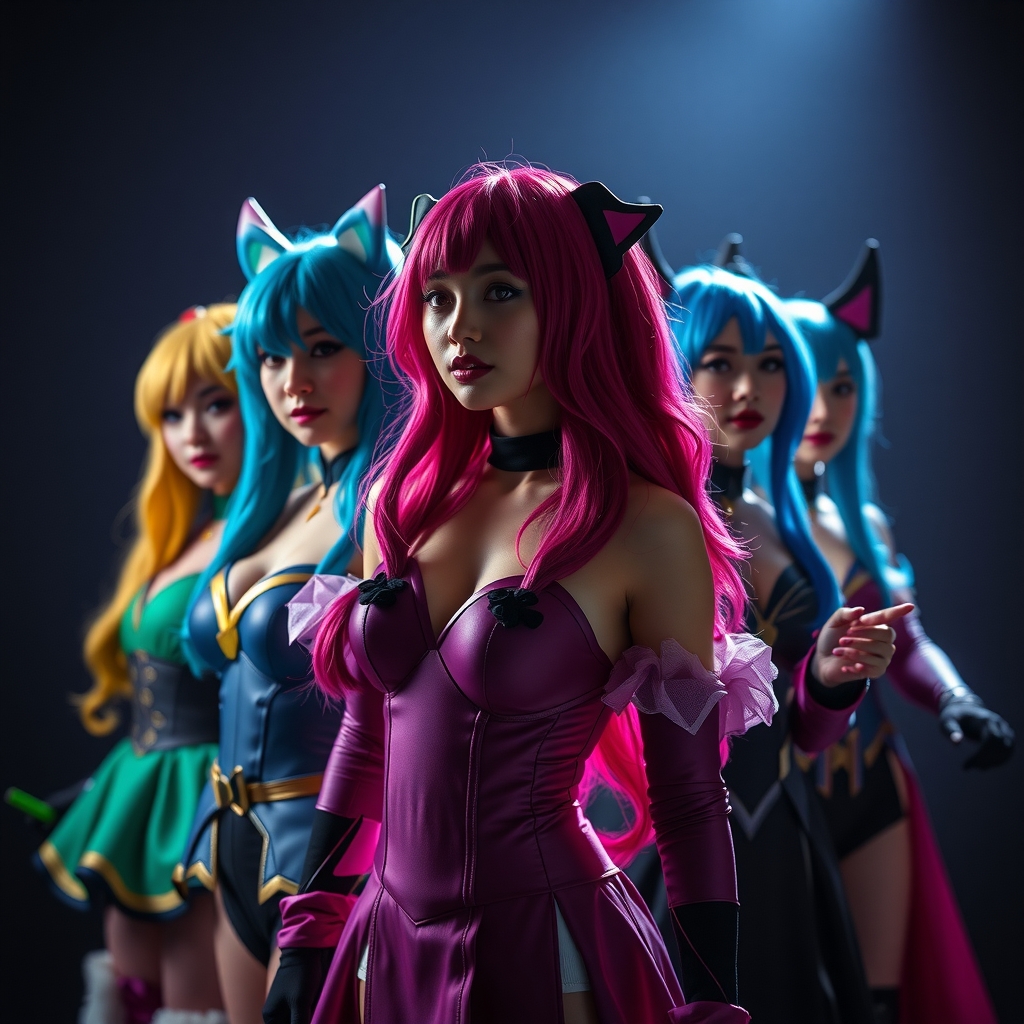
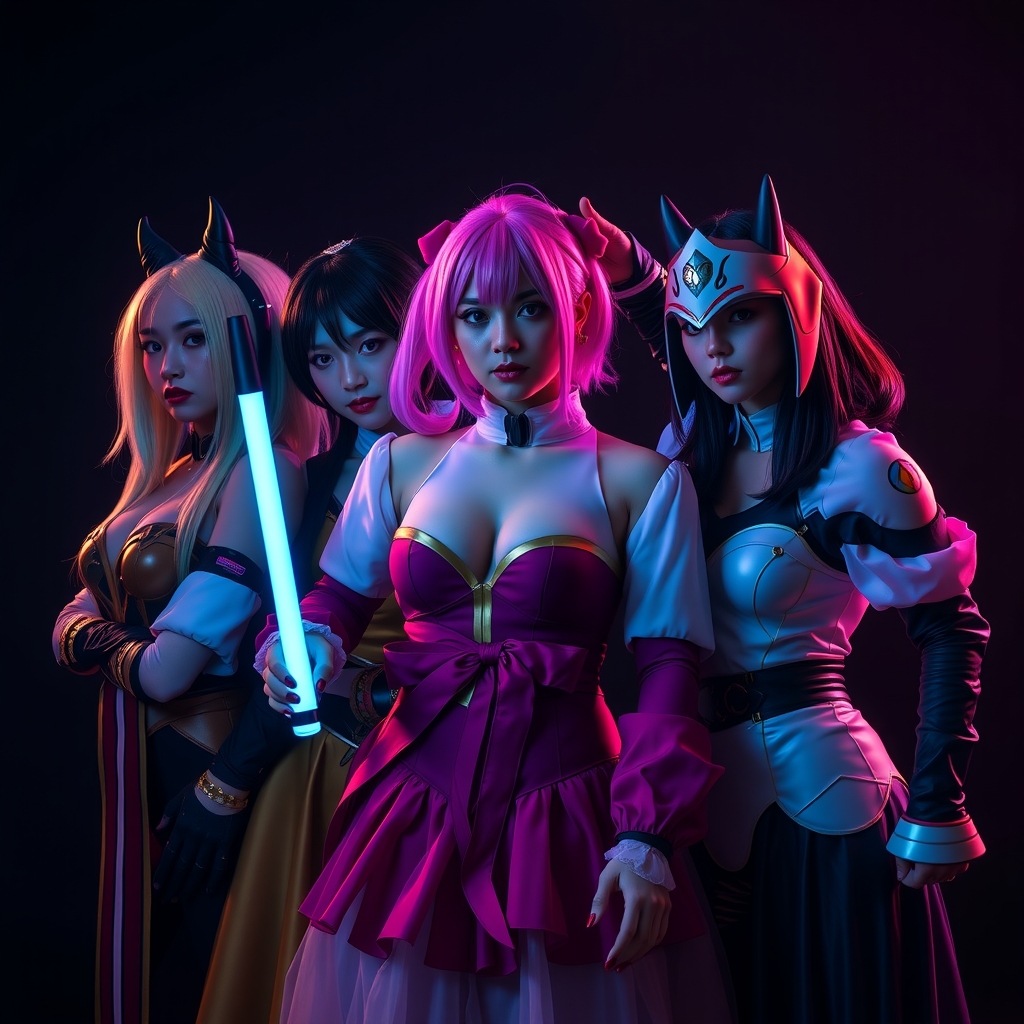
Cosplaying as a group transforms a solo hobby into a shared social experience. Whether you are assembling a tight-knit squad from a favorite RPG or coordinating a massive cast for a convention gathering, the leap from individual crafting to team production introduces a new set of challenges. The goal is not just for everyone to look great individually, but for the group to look cohesive as a collective unit.
Successful group builds rely less on the individual skill of one "lead" crafter and more on the systems of communication and standardization established at the start. When four different people interpret the same color palette or fabric texture, the result can often feel disjointed. To achieve a professional, unified look, teams must treat their project as a coordinated production.
Establishing a Unified Visual Language
The most common pitfall in group cosplay is "visual drift," where costumes vary wildly in style, scale, or material quality. To prevent this, the team should establish a Style Guide before a single piece of fabric is cut. This document serves as the single source of truth for the project.
Standardizing Color Palettes
Colors appear differently across screens and in different lighting. Relying on a screenshot from a game or anime is insufficient. Instead, the group should agree on specific physical references. If the team is using fabric, choose a primary "anchor" fabric—such as a specific shade of red or blue—and have everyone source the same brand or a verified match. If working with paint, agree on a specific brand and color code to ensure the armor sets look like they belong to the same faction.
Agreeing on Materiality
A group looks cohesive when the "weight" of the costumes matches. If one person creates a hyper-realistic, weathered leather outfit while another uses shiny, store-bought satin, the contrast can be jarring. Discuss the intended "vibe" of the group: is this a "battle-worn" look with heavy weathering, or a "pristine" look for a formal gala? Decide on primary materials—such as EVA foam, Worbla, or specific linen blends—to ensure the textures complement one another.
Defining Roles and Resource Sharing
Not every member of a cosplay group has the same skill set. Some may be master seamstresses, while others excel at 3D printing or electronics. Rather than everyone struggling through their weak points, a collaborative team leverages the strengths of the group through a "Specialist Model."
In this model, members volunteer as leads for specific tasks. For example, the person most experienced with foam fabrication can create a master pattern for a shared armor piece, which is then shared with the rest of the team. The person skilled in dyeing can handle the fabric treatment for everyone's capes to ensure the color is identical across the board.
Resource sharing also extends to tools. High-end equipment like vacuum formers, industrial sewing machines, or resin printers are expensive. By coordinating a schedule, team members can share access to these tools, reducing the individual financial burden and increasing the overall quality of the builds.
The Collaborative Timeline
Managing a group project requires a different approach to scheduling than solo work. A single member falling behind can affect the group's ability to do coordinated photo shoots or enter group contests. The key is to move away from a single deadline and toward a series of "Sync Points."
- The Concept Sync: Finalizing character assignments, reference images, and the Style Guide.
- The Prototype Sync: Sharing photos of "rough drafts" or mock-ups to ensure proportions and colors are aligning.
- The Fitting Sync: A physical or virtual meeting to check how the costumes look side-by-side.
- The Final Polish: A dedicated window for weathering and detailing to ensure consistent wear-and-tear across the group.
Building in "buffer weeks" is essential. In a group of five, the statistical likelihood of someone experiencing a personal emergency or a crafting disaster is high. By setting the internal group deadline two to four weeks before the actual event, the team creates a safety net that prevents last-minute panic.
Navigating Group Dynamics and Conflict
Creative collaboration can lead to friction, especially when opinions differ on accuracy versus comfort or budget. To maintain a healthy team environment, establish a clear decision-making process during the initial planning phase.
If the group is small, a democratic vote usually suffices. For larger groups, it is often more efficient to appoint a "Creative Director"—someone who has the final say on visual cohesion but listens to the input of all members. This prevents "decision paralysis," where a project stalls because the group cannot agree on a specific shade of gold or a type of wig styling.
It is also vital to acknowledge different budget levels. Not everyone can afford the most expensive materials. Instead of pressuring members to spend beyond their means, the team can find "budget-friendly" alternatives that still fit the visual language. For instance, if one person cannot afford genuine leather, the group can agree on a high-quality faux leather that looks identical in photographs.
Preparing for the Public Debut
The work does not end when the costumes are finished. The final stage of collaboration is the logistics of the event itself. Group cosplays require more coordination in the field than solo costumes.
The Logistics Plan
Coordinate how the group will move through the convention space. Large groups can inadvertently block hallways or create bottlenecks. Discuss a meeting point and a schedule for photoshoots to avoid spending the entire day searching for one another. If the costumes are bulky, plan for a "support crew" or a designated home base where members can take breaks and store props.
Coordinated Posing and Presentation
To maximize the impact of a group build, spend time practicing group poses. A cohesive set of costumes is enhanced by a cohesive presentation. Whether it is a dramatic battle formation or a candid character interaction, planning these moments in advance ensures that the effort put into the craft is fully captured in the final photography.