Introduction to Fandom and Cosplay
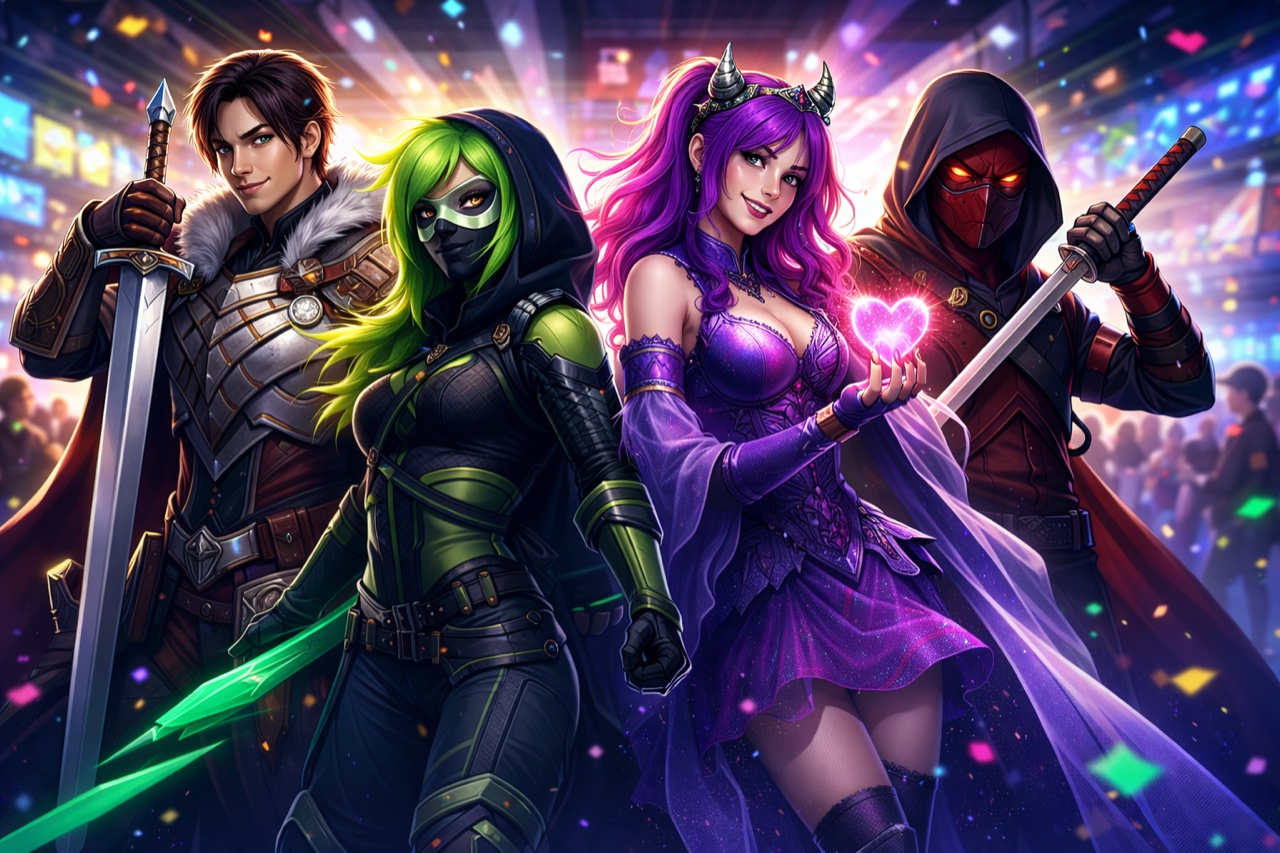
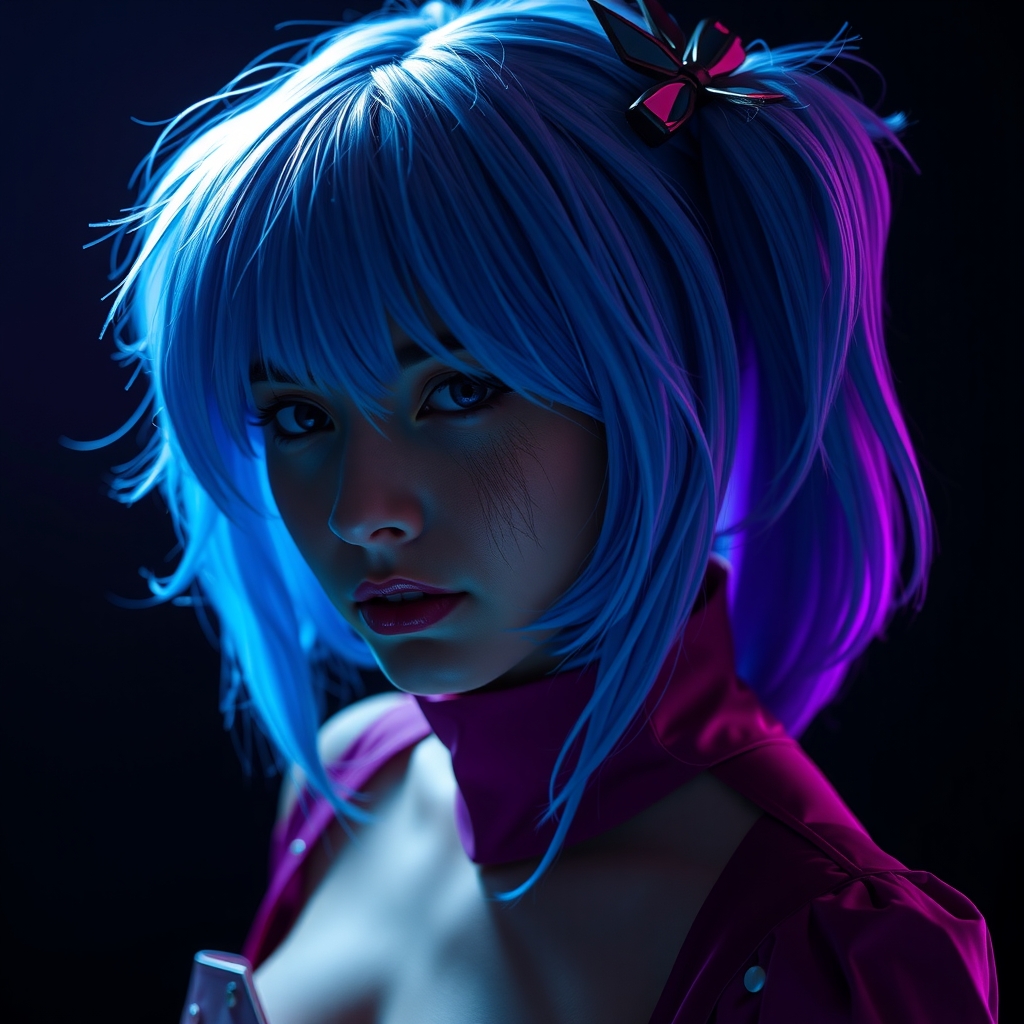
Cosplay, a portmanteau of "costume play," has evolved into a global phenomenon, with millions of enthusiasts creating and wearing costumes based on their favorite characters from various forms of media. While the spectacle of cosplay often takes center stage at conventions and events, there exists a rich psychological landscape beneath the surface. This article aims to explore the intricate relationships between fandom, creative expression, and identity formation within the cosplay community.
The Allure of Fandom
Fandom is a complex and multifaceted phenomenon that cannot be reduced to a single explanation. However, research suggests that fans are often drawn to specific fandoms due to a deep-seated desire for connection, community, and meaning. Cosplayers, in particular, are motivated by a passion for creative expression and a need to engage with their favorite characters on a deeper level.
One key aspect of fandom is the concept of parasocial interaction, where fans form emotional bonds with characters, celebrities, or other fans. This phenomenon allows individuals to experience a sense of intimacy and connection with others, even if it's one-sided. Cosplayers often leverage this emotional connection to create costumes and performances that bring their favorite characters to life.
The Psychology of Creative Expression
Creative expression is a fundamental aspect of human psychology, allowing individuals to communicate, explore, and understand themselves and the world around them. Cosplay provides a unique outlet for creative expression, enabling individuals to experiment with different identities, explore their imagination, and showcase their skills.
The self-expression theory of creativity suggests that individuals engage in creative activities to express their thoughts, feelings, and experiences. Cosplayers, through their costumes and performances, are able to convey their personality, interests, and values, often using their creations as a form of nonverbal communication.
Identity Formation and Cosplay
Identity formation is a critical aspect of human development, as individuals navigate and negotiate their sense of self within various social contexts. Cosplay offers a unique opportunity for individuals to explore and express different aspects of their identity, often using costumes and characters as a form of impression management.
By embodying a character or persona, cosplayers can experiment with different identities, test boundaries, and gain insight into their own thoughts, feelings, and behaviors. This process of identity exploration can be particularly empowering for individuals who struggle with self-acceptance, confidence, or social anxiety.
Community Building and Social Connection
Cosplay is often associated with a strong sense of community, as enthusiasts come together to share their passion, learn from one another, and celebrate their creativity. The cosplay community provides a supportive and inclusive environment, where individuals can connect with like-minded people, form meaningful relationships, and develop a sense of belonging.
Social identity theory suggests that individuals derive a sense of self and belonging from their membership in various social groups. Cosplayers, through their participation in the community, are able to develop a sense of social identity, which can contribute to their overall well-being and life satisfaction.
Conclusion and Future Directions
The psychology of cosplay and fandom is a rich and complex topic, influenced by a multitude of factors, including creative expression, identity formation, and community building. By understanding these underlying forces, we can gain a deeper appreciation for the cosplay community and the individuals who comprise it.
As the cosplay community continues to evolve and grow, it's essential to recognize the importance of inclusivity, diversity, and respect. By fostering a supportive and welcoming environment, we can encourage creativity, self-expression, and social connection, ultimately enriching the lives of cosplayers and fans worldwide.