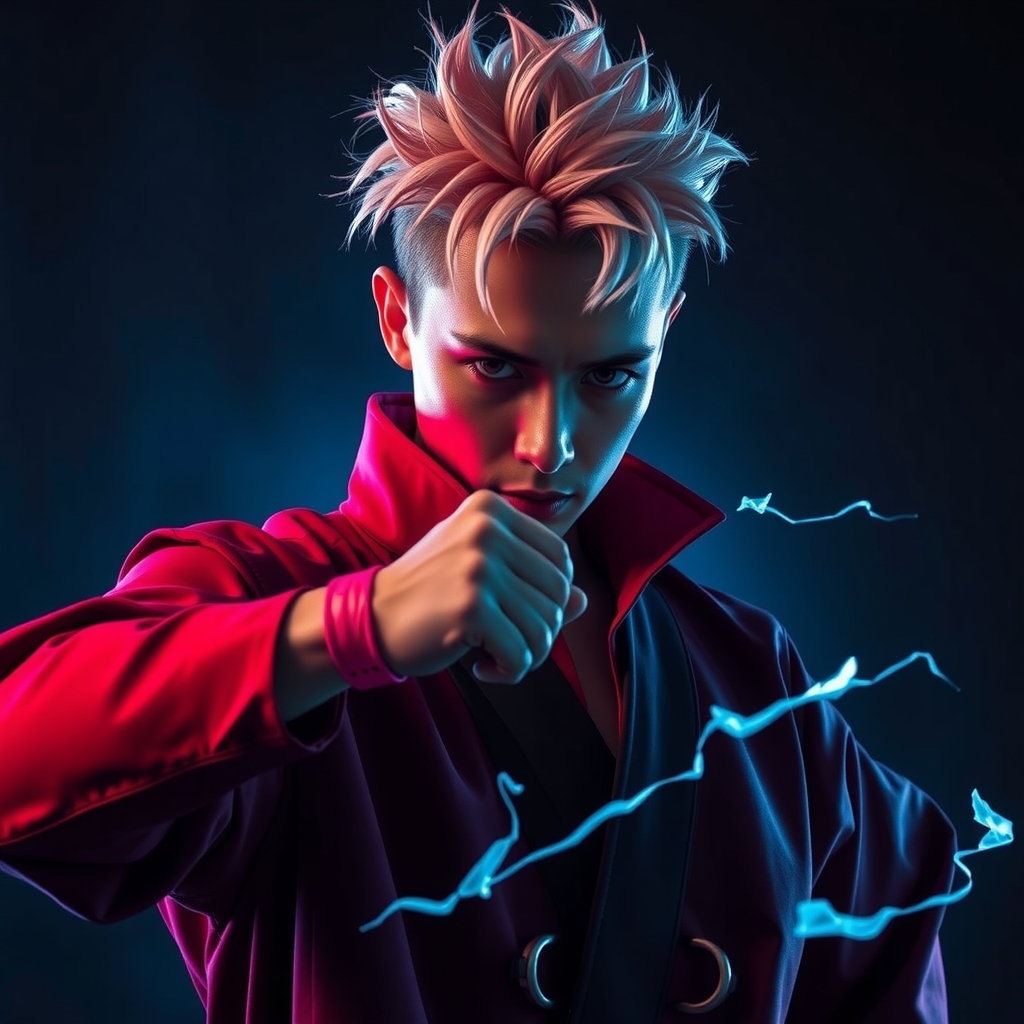
Adapting the character designs of Jujutsu Kaisen presents a unique challenge for cosplayers. Unlike high-fantasy series with ornate armor or sprawling gowns, the characters in this universe wear modernized, utilitarian uniforms based on traditional Japanese school attire and streetwear. While the silhouettes appear simple, the impact of the costume lies in the weight of the fabric, the precision of the tailoring, and the subtle details that suggest a world of supernatural combat.
Analyzing the Jujutsu High Uniform
The core of most Jujutsu Kaisen cosplays is the dark navy or black uniform. To avoid the "costume" look—where the fabric appears thin or overly shiny—you must focus on structural integrity. The uniforms are designed to be durable and protective, meaning they should hold a sharp edge and resist sagging.
Avoid lightweight polyester satins or thin cotton blends. Instead, look for fabrics with a higher GSM (grams per square meter). Heavyweight twill, wool blends, or a high-quality gabardine are ideal. These materials mimic the traditional Japanese school uniform (gakuran) by providing a stiff structure that maintains the shoulder line and the crispness of the collar. If you are working with a budget-friendly cotton, consider interfacing the collar, cuffs, and plackets with a heavy-duty fusible interfacing to prevent them from collapsing during movement.
Mastering the Silhouette and Tailoring
The characters in Jujutsu Kaisen often have distinct silhouettes that reflect their personalities. Satoru Gojo’s look is streamlined and elegant, while Yuji Itadori’s is more athletic and layered. Achieving these looks requires moving beyond standard "off-the-rack" patterns.
The High Collar Construction
The signature high collar is a focal point of the series. To achieve a collar that stands upright without choking the wearer, use a "stand collar" pattern. Incorporate a layer of horsehair braid or heavy-duty interfacing inside the collar. This ensures the fabric remains rigid even when you move your head. For characters like Megumi Fushiguro, ensure the collar is tailored to sit closely against the neck without gaping, which is achieved by taking a precise measurement of the neck circumference and adding a small ease allowance.
The Tapered Fit
Anime art often depicts clothing as clinging to the body in ways that real fabric does not. To replicate this without using spandex, employ "princess seams" or darts. By adding vertical seams running from the armpit to the hem, you can create a tapered waist that mimics the sleek anime aesthetic while using a structured, non-stretch fabric. This prevents the uniform from looking like a boxy oversized shirt.
Integrating Streetwear and Layering
Many characters blend their sorcerer attire with modern Japanese streetwear. The key to a realistic adaptation is the contrast in textures. When layering a hoodie under a uniform jacket or pairing baggy trousers with structured boots, the goal is to create visual depth.
For characters who wear oversized hoodies or sweaters, avoid thin "fast-fashion" materials. Opt for heavyweight French terry or fleece. The weight of the fabric allows the garment to drape naturally over the shoulders, creating the "slouchy" look seen in the manga. When layering, ensure the inner garment is slightly thinner than the outer jacket to avoid adding unnecessary bulk to the torso, which can distort the character's proportions.
Advanced Detailing: Buttons and Hardware
In a minimalist design, the hardware becomes the center of attention. The buttons on the Jujutsu High uniforms are not merely fasteners; they are design elements. Replacing standard plastic buttons with matte metal or high-density resin buttons can instantly elevate the perceived quality of the garment.
If you are creating a custom jacket, consider the placement of the buttons. In Japanese tailoring, the spacing is often mathematically precise. Use a sewing gauge to ensure every button is equidistant. For a professional finish, use a buttonhole stitch by hand or a high-quality machine setting to ensure the edges do not fray. If the character has specific accessories, such as belts or straps, use heavy-duty nylon webbing or genuine leather to provide a tactile contrast to the fabric of the uniform.
Weathering for Combat Realism
While the characters often look pristine in the anime, the nature of their work involves intense physical combat. Adding subtle weathering can transform a "costume" into a "lived-in" garment, adding a layer of storytelling to your build.
Avoid heavy mud or fake blood unless you are depicting a specific scene. Instead, focus on "edge wear." Use a fine-grit sandpaper to lightly scuff the edges of the cuffs and the hem of the trousers. This mimics the natural wear and tear of a garment used in training. To add depth to the dark fabrics, you can use a very diluted grey fabric paint or acrylic wash in the creases of the elbows and knees. This creates a subtle 3D effect that makes the clothing look like it has been worn through multiple battles.
Footwear and Final Proportions
The shoes can often make or break a Jujutsu Kaisen cosplay. Because the uniforms are so structured, wearing flimsy sneakers can make the overall look feel unbalanced. Look for boots or shoes with a substantial sole. If the character wears a specific style of Japanese footwear, ensure the socks are the correct height and material—typically a thick, ribbed cotton that stays up without sliding down the calf.
Finally, consider the "break" of the trousers. In Japanese tailoring, the break is where the pant leg hits the shoe. For a modern, sleek look, aim for a "slight break" where the fabric barely touches the top of the shoe. For a more relaxed, streetwear-inspired look, allow the fabric to bunch slightly at the ankle. This small detail helps define whether your character is disciplined and rigid or casual and effortless.