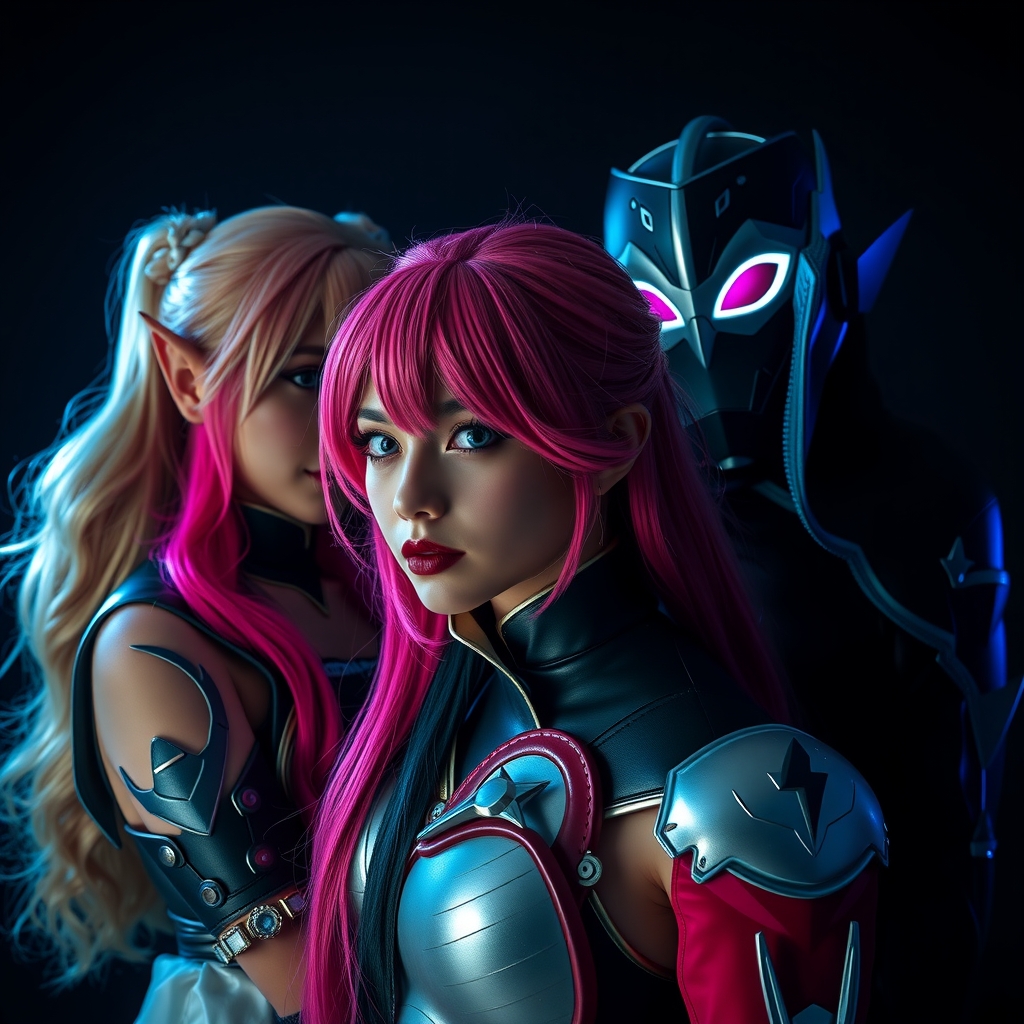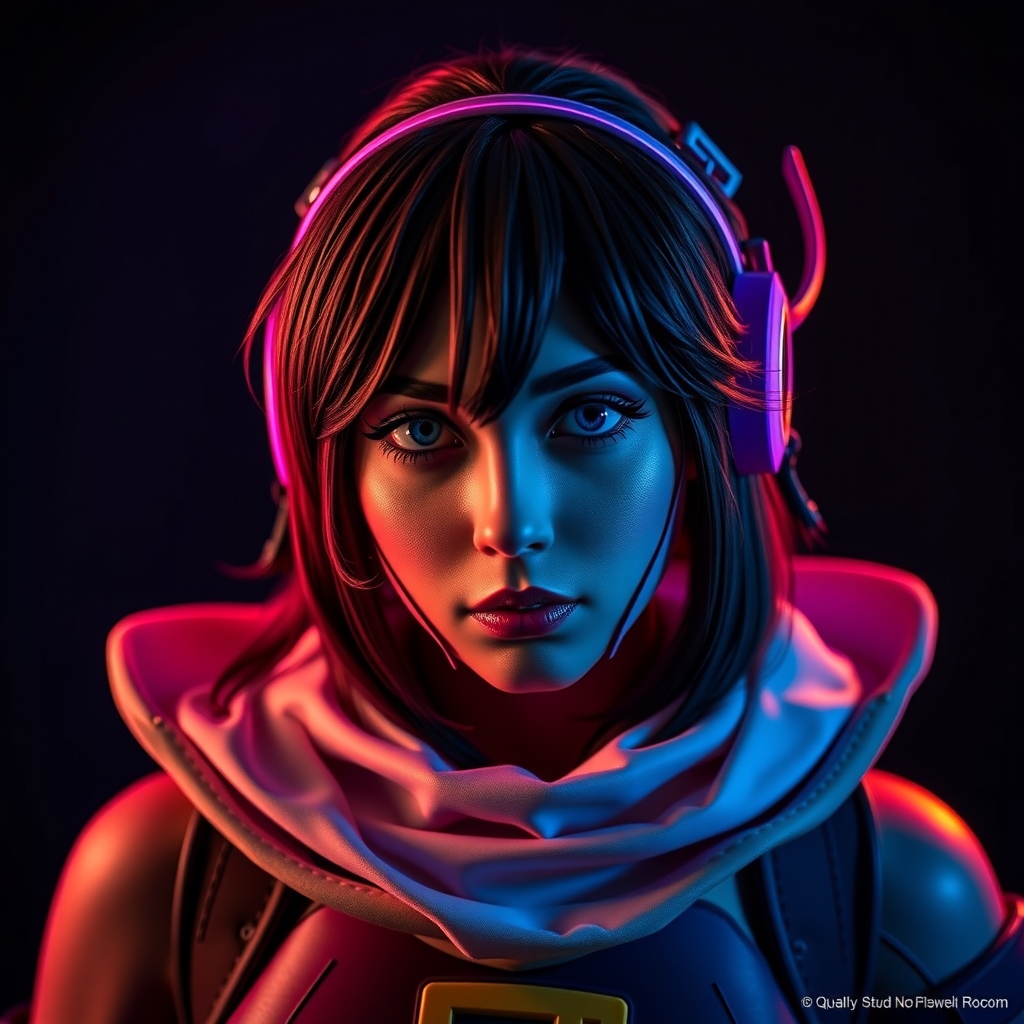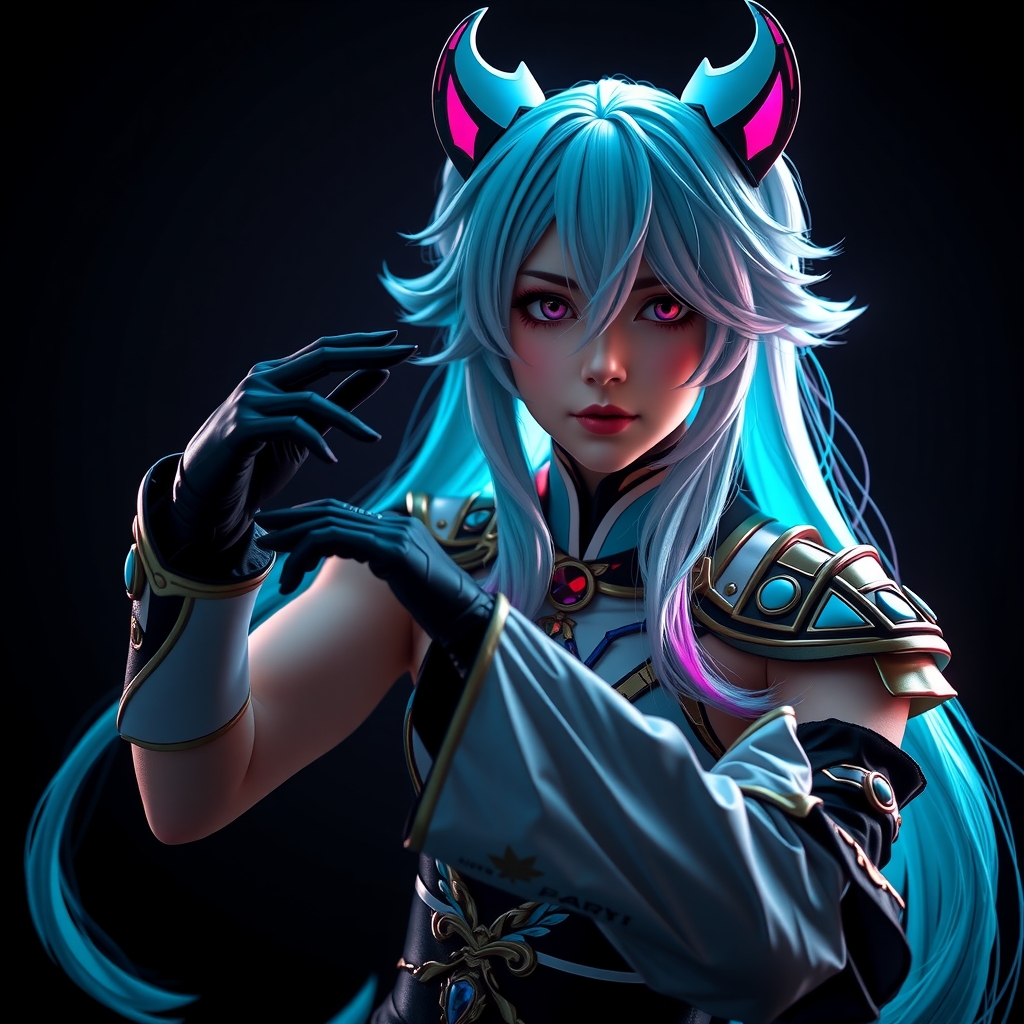
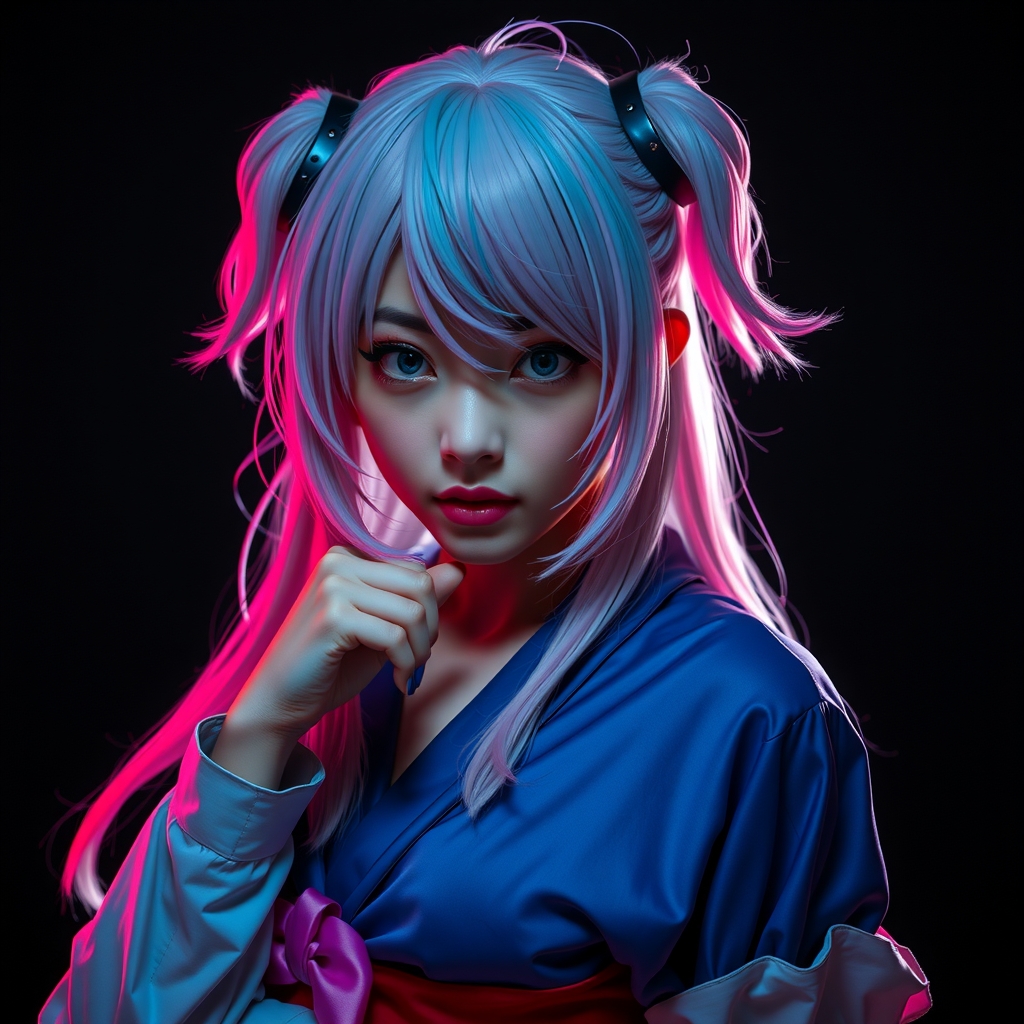
Understanding Anime and Manga Inspiration
Anime and manga have become a staple of modern pop culture, captivating audiences worldwide with their vibrant characters, intricate storylines, and stunning visuals. As a cosplayer, recreating iconic characters from Japanese TV and film requires a deep understanding of the source material and its cultural context. Start by researching the anime or manga that inspires your character, paying attention to their personality traits, backstory, and role in the narrative.
Character Analysis and Reference Gathering
Thorough character analysis is crucial for creating an accurate and compelling cosplay. Collect reference images from various angles, including front, back, and side views. Study the character's facial expressions, body language, and costume details. Take note of colors, textures, and patterns used in their outfit, as well as any distinctive accessories or props.
- Watch episodes or trailers of the anime to get a sense of the character's personality and movements.
- Read manga chapters or novels to gain insight into the character's thoughts and motivations.
- Observe the character's interactions with others, including their relationships and conflicts.
Costume Design and Construction
With your reference materials in hand, it's time to start designing and building your costume. Break down the character's outfit into individual components, such as clothing, armor, or accessories. Choose materials and fabrics that accurately replicate the character's look and feel.
Pattern Making and Sewing
Create patterns for each component, taking care to ensure accurate proportions and measurements. Use a combination of sewing, embroidery, and other crafting techniques to bring your costume to life.
- Select a suitable fabric or material for each component, considering factors such as texture, weight, and durability.
- Use a sewing machine or hand-stitching techniques to assemble the costume pieces.
- Add embellishments, such as buttons, zippers, or trim, to enhance the costume's details and realism.
Prosthetics, Makeup, and Hair Styling
Prosthetics, makeup, and hair styling can elevate your cosplay from good to great. Study the character's facial features, skin tone, and hair style to create a convincing and immersive look.
Prosthetic Application and Makeup Techniques
Apply prosthetics, such as wigs, hats, or masks, to achieve the character's distinctive look. Use makeup to enhance or alter your features, creating a more accurate representation of the character.
- Choose a suitable prosthetic or makeup technique for the character's features, such as contact lenses or facial paint.
- Practice applying and removing prosthetics and makeup to ensure a comfortable and secure fit.
- Blend prosthetics and makeup seamlessly into your natural features for a convincing look.
Accessories and Props
Accessories and props can make or break a cosplay, adding a finishing touch to your character's look. Study the character's accessories, such as jewelry, bags, or tools, and recreate them with attention to detail.
Prop Making and Sourcing
Create or source props that accurately replicate the character's accessories, using materials such as foam, wood, or metal. Consider factors such as weight, texture, and durability when selecting or crafting props.
- Research prop-making techniques, such as foam sculpting or 3D printing, to create complex or intricate props.
- Source materials and supplies from craft stores, online marketplaces, or specialty retailers.
- Test and refine your props to ensure they are safe, durable, and easy to handle.
Bringing Your Cosplay to Life
With your costume, prosthetics, and props complete, it's time to bring your cosplay to life. Practice posing, moving, and interacting with your environment to get into character.
Character Embodiment and Performance
Embody the character's personality, traits, and mannerisms, using body language and facial expressions to convey their emotions and intentions.
- Study the character's movements and gestures, using reference footage or live-action performances.
- Practice interacting with others, including fellow cosplayers, photographers, or attendees.
- Stay in character during photo shoots or performances, maintaining the illusion and immersing your audience.