Introduction to Anime Character Masks
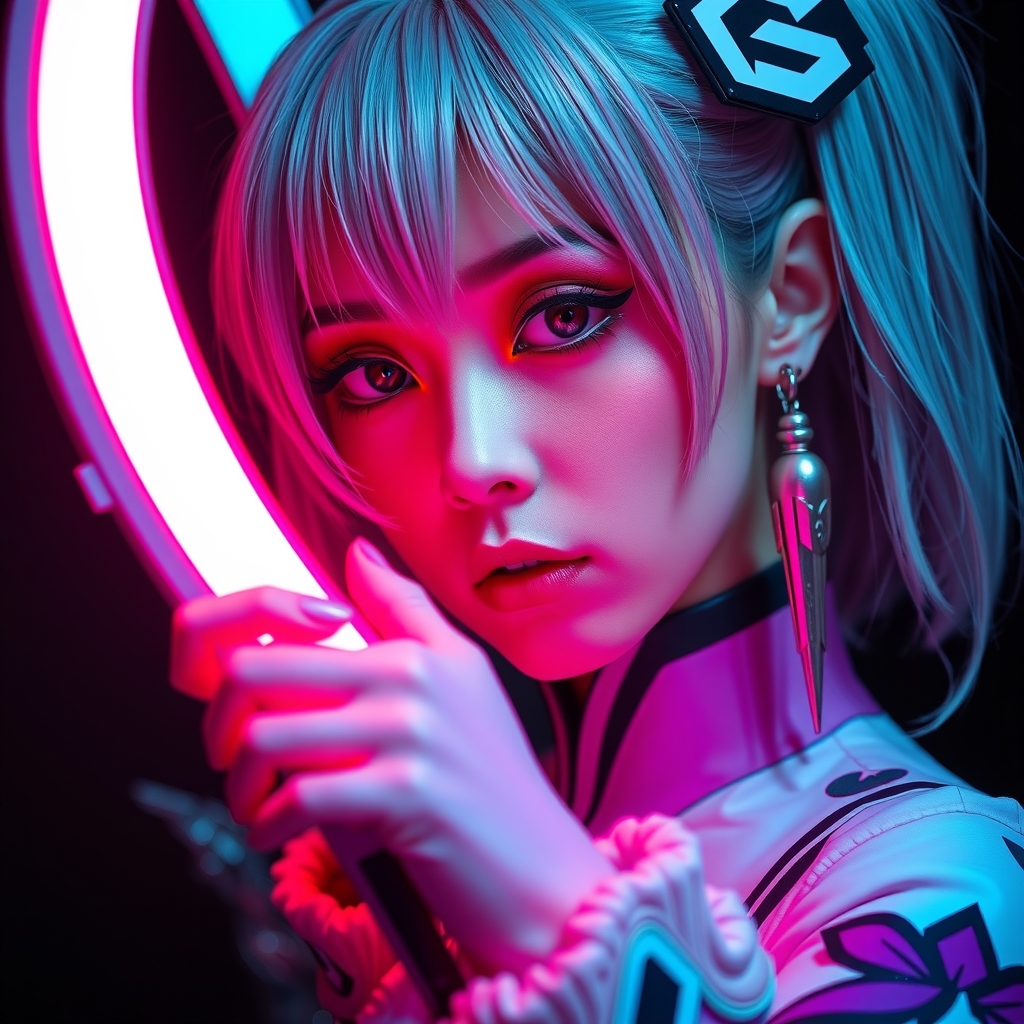
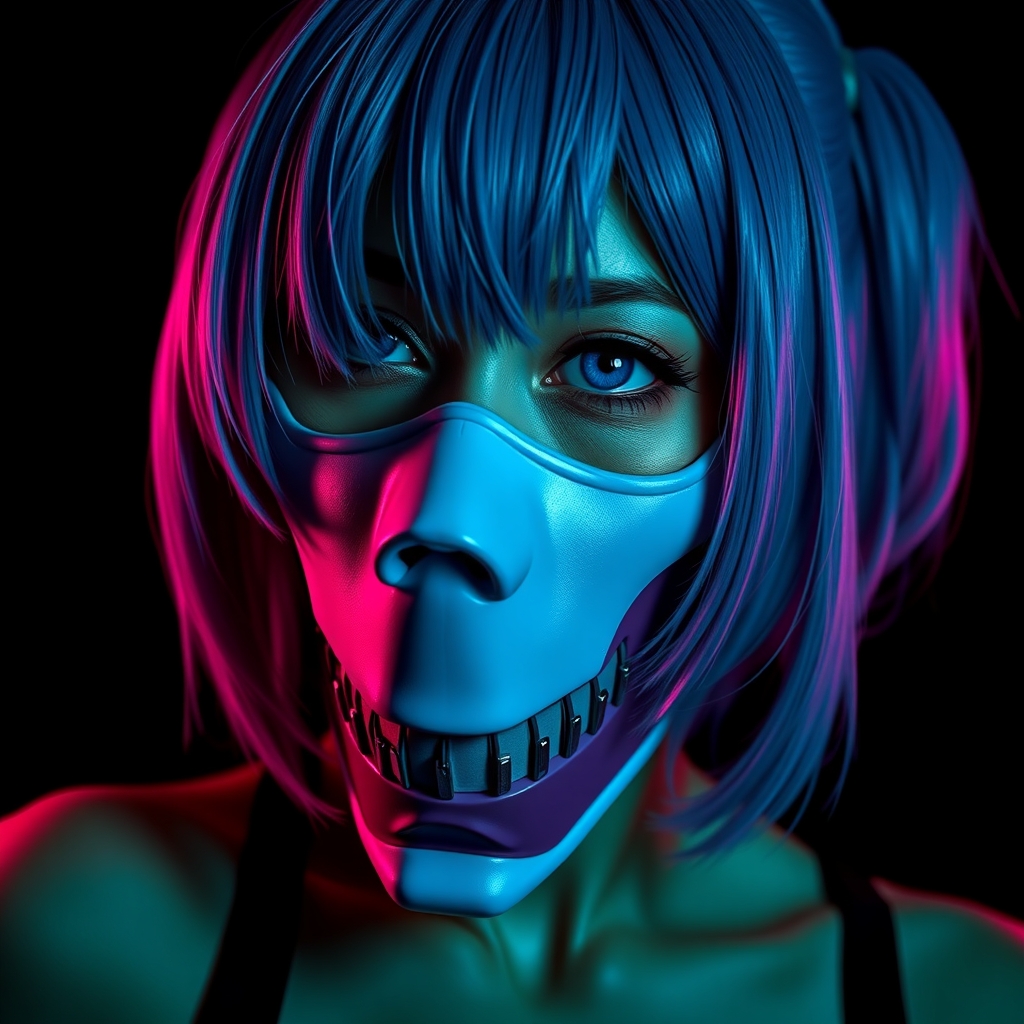
Anime and manga have become incredibly popular worldwide, inspiring countless cosplayers to bring their favorite characters to life. One of the most distinctive and iconic aspects of anime characters is their often exaggerated and stylized facial features, particularly the masks or expressions that define their personalities. Creating realistic character masks with prosthetics and makeup can seem daunting, but with the right techniques and materials, you can achieve a stunning and authentic look.
Understanding Prosthetics and Makeup for Cosplay
Prosthetics and makeup are essential tools for creating realistic character masks in cosplay. Prosthetics refer to the physical pieces attached to the skin to alter its shape and appearance, while makeup is used to enhance, color, and blend the prosthetics with the surrounding skin. There are various types of prosthetics, including foam latex, silicone, and resin, each with its own advantages and application methods.
Choosing the Right Materials
- Foam Latex: A popular choice for cosplay prosthetics due to its flexibility, durability, and ease of application. Foam latex can be painted, glued, and blended with makeup for a seamless finish.
- Silicone: A more realistic and durable option, often used for creating highly detailed and lifelike prosthetics. Silicone requires a release agent and a catalyst to cure.
- Resin: A versatile material used for creating rigid or flexible prosthetics, depending on the type of resin and application method.
Preparing the Skin and Prosthetics
Before applying prosthetics and makeup, it's crucial to prepare the skin and materials. Ensure your skin is clean, dry, and free of oils or lotions. For prosthetics, follow the manufacturer's instructions for application, and make sure they are securely attached to the skin using adhesives or other recommended methods.
Makeup Techniques for Blending Prosthetics
Makeup plays a vital role in blending prosthetics with the surrounding skin. Use a combination of foundation, concealer, and powder to create a natural-looking base tone. Then, apply layers of paint or makeup to add color, shading, and texture to the prosthetics.
Step-by-Step Application Guide
- Apply a thin layer of adhesive to the back of the prosthetic and attach it to the skin, following the manufacturer's instructions.
- Blend the edges of the prosthetic with makeup, using gentle feathering motions to create a seamless transition.
- Build up layers of paint or makeup to add color, shading, and texture to the prosthetic.
- Set the makeup with powder and seal with a setting spray to ensure durability.
Tips and Tricks for Realistic Character Masks
To achieve a truly realistic character mask, consider the following tips:
- Study Reference Images: Collect reference images of the character from various angles to understand their facial structure, expressions, and features.
- Pay Attention to Details: Focus on small details, such as the shape of the eyes, eyebrows, and mouth, to create a more accurate and lifelike representation.
- Practice, Practice, Practice: Don't be discouraged if it takes time and practice to master the techniques – experimenting and refining your skills will lead to better results.
Conclusion
Crafting realistic anime character masks with prosthetics and makeup requires patience, practice, and attention to detail. By understanding the materials, techniques, and tips outlined in this guide, you can elevate your cosplay game and bring your favorite characters to life in a more authentic and stunning way.