
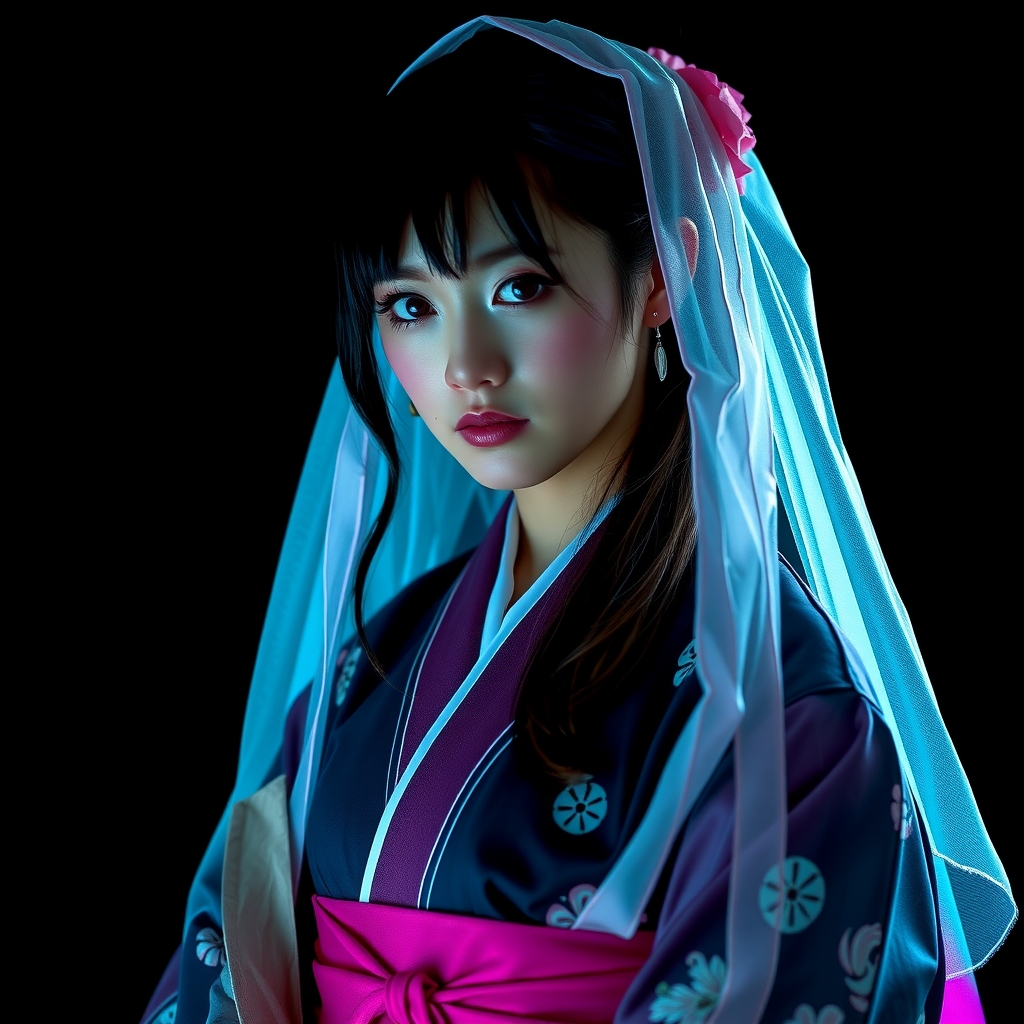
Introduction to Sashiko Embroidery
Sashiko embroidery is a traditional form of Japanese needlework that has been used to adorn and repair fabrics for centuries. The word "Sashiko" literally means "little stabs" or "small piercings," which refers to the small, intricate stitches that characterize this embroidery style. In the context of kimono and traditional Japanese fabrics, Sashiko embroidery is often used to add decorative motifs, reinforce seams, and repair worn areas.
Understanding Traditional Japanese Fabrics
Before diving into Sashiko embroidery, it's essential to understand the types of fabrics traditionally used in Japanese kimono and textile art. Some common fabrics include:
- Silk: Historically, silk was the preferred fabric for kimono due to its luxurious feel and durability. There are several types of silk fabrics used in kimono, including habotai, charmeuse, and dupioni.
- Brocade: Brocade fabrics, known as "ori-ume" in Japanese, feature intricate woven patterns and are often used for high-end kimono and obi (sashes).
- Weft-faced fabrics: Weft-faced fabrics, such as tsuzure-ori, have a dense, woven texture that provides a smooth surface for embroidery.
Choosing the Right Fabric for Sashiko Embroidery
When selecting a fabric for Sashiko embroidery, consider the following factors:
- Weight: Choose a fabric with a medium to heavy weight, as it will provide a stable surface for embroidery.
- Texture: Opt for a fabric with a smooth, even texture that will allow your stitches to lie flat.
- Color: Select a fabric that complements the color of your embroidery floss.
Basic Sashiko Embroidery Techniques
Sashiko embroidery involves a range of simple, running stitches that can be combined to create intricate designs. Some basic techniques include:
- Straight stitch: The straight stitch is the foundation of Sashiko embroidery. It involves bringing the needle up and down through the fabric in a series of small, even stitches.
- Backstitch: The backstitch is used to create outlines and details in your design. It involves bringing the needle up and down through the fabric in a series of small stitches, working from right to left.
- French knots: French knots are used to add texture and dimension to your design. They involve wrapping the embroidery floss around the needle and then inserting it into the fabric.
Designing Your Sashiko Embroidery Pattern
When designing your Sashiko embroidery pattern, consider the following tips:
- Keep it simple: Start with simple designs and gradually build up to more complex patterns.
- Use traditional motifs: Draw inspiration from traditional Japanese motifs, such as cherry blossoms, chrysanthemums, and waves.
- Consider the fabric: Take into account the texture and color of your fabric when designing your pattern.
Tips for Cosplayers and Textile Artists
When recreating traditional Japanese fabrics with Sashiko embroidery for cosplay or textile art, keep the following tips in mind:
- Research and reference: Study traditional Japanese fabrics and Sashiko embroidery techniques to ensure accuracy and authenticity.
- Choose the right materials: Select fabrics and embroidery floss that are consistent with traditional Japanese materials.
- Practice, practice, practice: Sashiko embroidery requires patience and practice, so don't be discouraged if your first attempts don't turn out perfectly.
Conclusion
Recreating traditional Japanese fabrics with Sashiko embroidery requires a deep understanding of the techniques, materials, and cultural context involved. By following these guidelines and practicing your skills, you can create authentic and beautiful Sashiko embroidery pieces that will enhance your cosplay or textile art projects. For further learning, consider exploring resources on traditional Japanese textiles and Sashiko embroidery, such as books, online tutorials, and workshops.