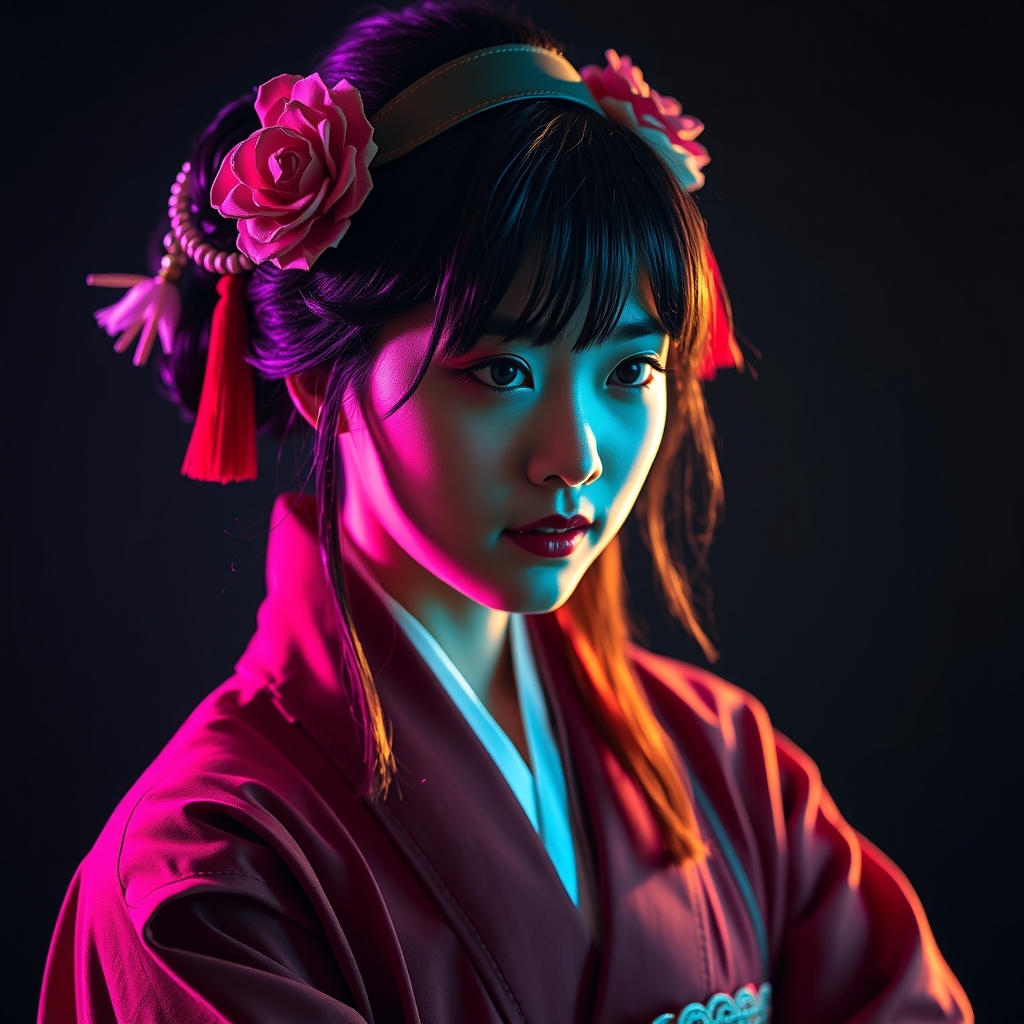
Introduction to Japanese and Korean Textiles
When it comes to creating a cosplay costume, the right fabric can make all the difference. Japanese and Korean textiles have gained popularity among cosplayers worldwide for their unique textures, vibrant colors, and exceptional quality. In this guide, we'll explore the characteristics of various Japanese and Korean fabrics, their uses, and tips for working with them.Japanese Textiles
Japanese fabrics are renowned for their delicate designs, soft textures, and rich colors. Some popular types of Japanese textiles include:- Sakura Fabric: Known for its pastel colors and cherry blossom patterns, sakura fabric is perfect for creating delicate, feminine costumes.
- Washi Fabric: A traditional Japanese paper fabric, washi is lightweight, durable, and ideal for creating intricate designs and props.
- Oriental Cotton: A high-quality cotton fabric, often featuring vibrant prints and bold colors, making it suitable for creating statement pieces and accessories.
Korean Textiles
Korean fabrics have gained popularity for their bold colors, unique patterns, and comfortable textures. Some popular types of Korean textiles include:- Hanbok Fabric: Inspired by traditional Korean clothing, hanbok fabric features intricate designs, vibrant colors, and luxurious textures, perfect for creating stunning, elaborate costumes.
- Stretch Velvet: A modern Korean fabric, stretch velvet is soft, flexible, and ideal for creating fitted costumes and accessories.
- Korean Lace: A delicate, crocheted fabric, Korean lace is perfect for adding intricate details and textures to costumes.
Choosing the Right Fabric for Your Cosplay Project
When selecting a fabric for your cosplay project, consider the following factors:- Character Inspiration: Choose a fabric that reflects the character's personality, style, and era.
- Comfort and Durability: Consider the comfort and durability of the fabric, especially if you plan to wear the costume for an extended period.
- Color and Pattern: Select a fabric that matches the character's iconic colors and patterns.
- Workability: Choose a fabric that is easy to work with, considering your skill level and the complexity of the costume design.
Tips for Working with Japanese and Korean Textiles
When working with Japanese and Korean fabrics, keep the following tips in mind:- Pre-treat the fabric: Always pre-treat the fabric before cutting and sewing to ensure it shrinks evenly and doesn't bleed.
- Use sharp needles and scissors: Japanese and Korean fabrics can be delicate, so use sharp needles and scissors to prevent damage.
- Respect the fabric's texture: Avoid using heat or excessive pressure, which can damage the fabric's texture or cause it to lose its shape.
Conclusion
Japanese and Korean textiles offer a world of creative possibilities for cosplayers. By understanding the characteristics of various fabrics and considering factors like comfort, durability, and workability, you can choose the perfect fabric for your next cosplay project. Whether you're a seasoned pro or just starting out, this guide will help you navigate the vibrant world of Japanese and Korean textiles and create stunning, authentic costumes that bring your characters to life.For more information on Japanese and Korean textiles, check out online resources like Cosplay.com and Craftsy.com, which offer tutorials, reviews, and inspiration for cosplayers and crafters.