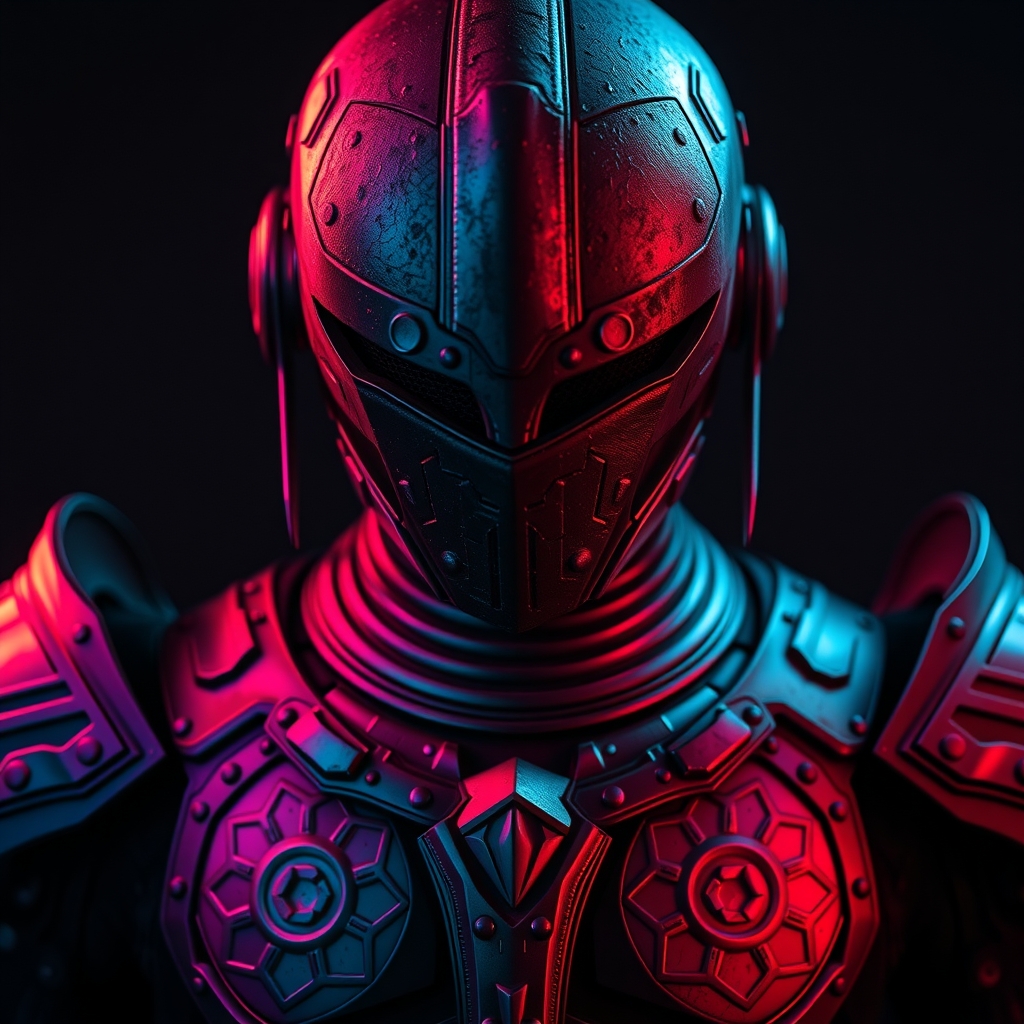

For many gaming cosplayers, the dream of wearing a full set of ornate plate armor or futuristic sci-fi plating often crashes into the reality of a limited budget. High-density EVA foam and professional thermoplastics are the gold standard, but they can become expensive when scaling up for full-body suits. However, the secret to professional-looking armor isn't always the price of the raw materials; it is the technique used to shape, texture, and paint them.
By looking at everyday household items and hardware store staples through the lens of a builder, you can find structural substitutes that mimic the look of metal, carbon fiber, or bone. The key is focusing on the "finish"—the final layers of paint and weathering—which can make a piece of repurposed plastic look like forged steel.
1. The Versatility of Corrugated Cardboard and Cereal Boxes
Cardboard is often dismissed as a "beginner" material, but when used strategically, it provides a rigid structure that foam cannot always match. The trick to elevating cardboard is understanding the difference between corrugated cardboard and thin cardstock (like cereal or cracker boxes).
Structural Layering
For large armor plates, such as chest pieces or pauldrons, use thick corrugated cardboard for the base. To avoid the "boxy" look, use a technique called scoring: lightly cutting through only the top layer of the cardboard to allow it to bend in a smooth curve. Once the base shape is achieved, glue thin cardstock over the seams. This hides the interior ridges of the corrugated layers and creates a seamless surface.
Adding Detail with "Cardboard Greebles"
Gaming armor often features intricate mechanical details known as greebles. Instead of buying expensive 3D-printed parts, cut small geometric shapes from cereal boxes and layer them on top of your armor. By stacking 3-4 layers of thin cardstock, you create a 3D relief that looks like bolted plating or circuitry once painted.
2. Transforming PVC Pipes and Plastic Tubing
Many gaming characters feature cylindrical armor elements, such as gauntlets, greaves, or oversized shoulder guards. Using flat sheets of material to create a perfect circle is difficult and often results in visible seams.
Creating Curved Bases
PVC piping is an ideal foundation for forearm and shin guards. By cutting a longitudinal slit down the length of the pipe, you can flatten it slightly to fit the contour of your limb. To create flared armor, you can heat the plastic carefully with a heat gun or a hair dryer to warp the edges outward, mimicking the look of flared metal plating.
Adding Industrial Texture
For sci-fi or steampunk gaming builds, repurposed plastic tubing (like old garden hoses or clear vinyl tubing) can be glued to the exterior of the armor. This suggests hydraulic lines or power cables. To make these look integrated, paint the tubing the same color as the armor, then apply a dark wash of paint into the crevices to create artificial depth.
3. Repurposing Plastic Packaging and Containers
The plastic containers found in kitchens and shipping centers are often made of high-density polyethylene (HDPE) or polystyrene, which can be manipulated into organic or futuristic shapes.
Creating Organic Armor Plates
Large plastic jugs (such as laundry detergent or milk containers) have natural curves that are perfect for shoulder guards or knee plates. By cutting the curved sections of the jug, you get a pre-formed dome. To remove the "plastic" look, sand the surface with medium-grit sandpaper to create a matte texture that accepts paint more readily.
Adding "Tech" Panels
Clear plastic packaging from electronics or toys can be used to create "energy windows" or holographic displays on your armor. Glue a piece of colored cellophane or a printed graphic behind a piece of clear plastic, then frame it with cardboard or foam. This creates a recessed window effect common in futuristic gaming HUDs.
4. Using Floor Mats and Yoga Mats as Foam Substitutes
While professional EVA foam is preferred, many budget builders overlook the utility of interlocking foam floor mats or old yoga mats. These materials provide the flexibility needed for joints and the durability required for convention floors.
Managing Density
Interlocking floor mats are typically denser than craft foam, making them excellent for "heavy" armor like boots or breastplates. To shape them, use the heat-and-hold method: apply heat to the foam until it becomes pliable, push it into the desired curve, and hold it until it cools. This "sets" the memory of the foam.
The Yoga Mat Layering Technique
Yoga mats are thinner and more flexible, making them perfect for under-layers or "leather" straps. Instead of buying expensive synthetic leather, cut strips of yoga mat and paint them with a mixture of acrylic paint and fabric medium. This creates a flexible, rubberized strap that is more comfortable against the skin than raw plastic or cardboard.
5. The Secret to the Professional Look: Finishing and Weathering
The most important part of repurposing everyday items is ensuring they don't look like everyday items. The difference between a "cardboard costume" and "budget armor" is the finishing process.
Sealing the Surface
Before painting, you must seal your materials. For cardboard, a mixture of white glue (PVA) and water, or a dedicated gesso, fills the pores of the material and prevents the paint from soaking in. For plastics, a plastic-adherent primer is essential to prevent the paint from peeling or flaking off during movement.
The Power of the "Dry Brush" and "Wash"
To make plastic look like metal, use these two techniques:
- The Wash: Mix a small amount of black or dark brown paint with a lot of water. Slather it over the armor and immediately wipe the surface with a rag. The dark paint stays in the cracks and recesses, creating artificial shadows.
- The Dry Brush: Dip a stiff brush in silver or gold paint, then wipe almost all of it off onto a paper towel. Lightly flick the brush over the raised edges of the armor. This mimics the look of worn metal where the paint has rubbed off, adding instant realism.
By combining these repurposed materials with a disciplined approach to painting, you can create gaming armor that rivals professional builds. The goal is not to hide the fact that you used creative materials, but to prove that with the right techniques, any object can be transformed into a piece of art.