Introduction to Cthulhu Cosplay
Cthulhu, the Great Old One, has captivated the imagination of horror fans and cosplayers alike with its eerie, tentacled presence. Creating a Cthulhu cosplay can be a daunting task, but with the right materials and techniques, you can bring this iconic creature to life. In this guide, we'll explore the use of papier-mâché and acrylic paints to craft a terrifyingly realistic Cthulhu cosplay.
Preparing the Papier-Mâché
To start, you'll need to create a base structure for your Cthulhu cosplay. You can use a wire armature or a balloon as a foundation for your papier-mâché application. For a more detailed and textured look, consider using a combination of newspaper strips and papier-mâché pulp.
- Mix 2 tablespoons of flour with 1 tablespoon of water to create a papier-mâché paste.
- Apply layers of papier-mâché to your base structure, allowing each layer to dry completely before adding the next.
- Use a brush or a tool to create texture and patterns on your Cthulhu's body.
Shaping the Tentacles
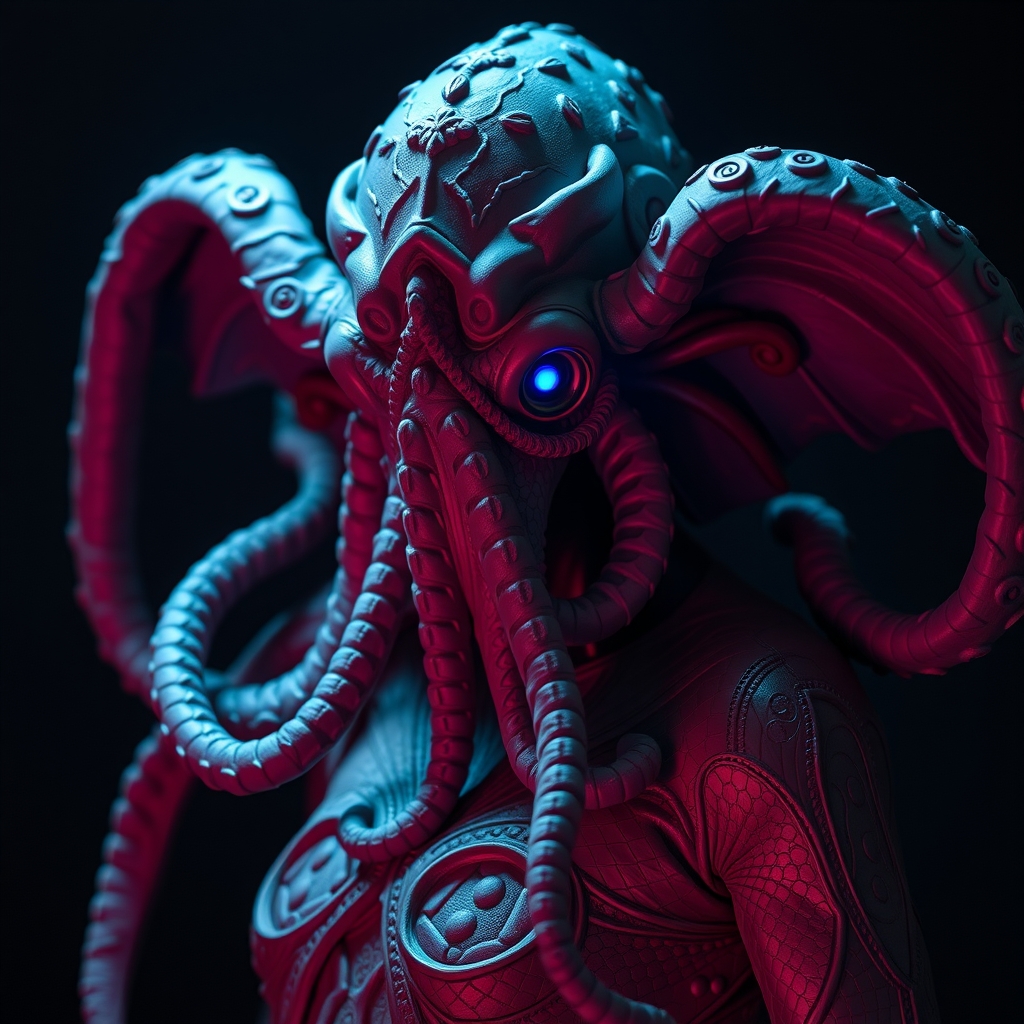
Cthulhu's tentacles are a defining feature of its appearance. To create realistic tentacles, you can use a combination of papier-mâché and fabric.
- Cut out long, thin strips of cardboard or cardstock to serve as the base for your tentacles.
- Apply papier-mâché to the cardboard strips, shaping and molding them into tentacle-like structures.
- Wrap fabric or foam around the papier-mâché tentacles to create a more realistic, flexible texture.
Acrylic Painting and Finishing Touches
Once your papier-mâché structure is complete, it's time to add color and texture with acrylic paints.
- Prime your Cthulhu cosplay with a coat of gesso or acrylic primer.
- Use a combination of earthy tones and dark blues to create a realistic, oceanic color scheme.
- Add texture and detail with thick, heavy-body acrylics or texture paste.
Adding the Final Details
The final details can make or break your Cthulhu cosplay. Consider adding the following features to bring your creature to life:
- Glowing eyes: Use glow-in-the-dark paint or EL wire to create an otherworldly effect.
- Skin texture: Use a texture paste or a mixture of paint and gel medium to create a scaly, rough texture.
- Tentacle movement: Use wire or fabric to create flexible, movable tentacles.
Conclusion and Tips for Display
With these steps, you can create a terrifyingly realistic Cthulhu cosplay using papier-mâché and acrylic paints. When displaying your cosplay, consider the following tips:
- Lighting: Use dim, eerie lighting to create an atmosphere of foreboding.
- Background: Create a backdrop that evokes a sense of oceanic horror, such as a dark, stormy sea.
- Posing: Experiment with different poses to create a sense of movement and tension.
For more information on cosplay crafting techniques, check out cosplay tutorial websites and online communities.