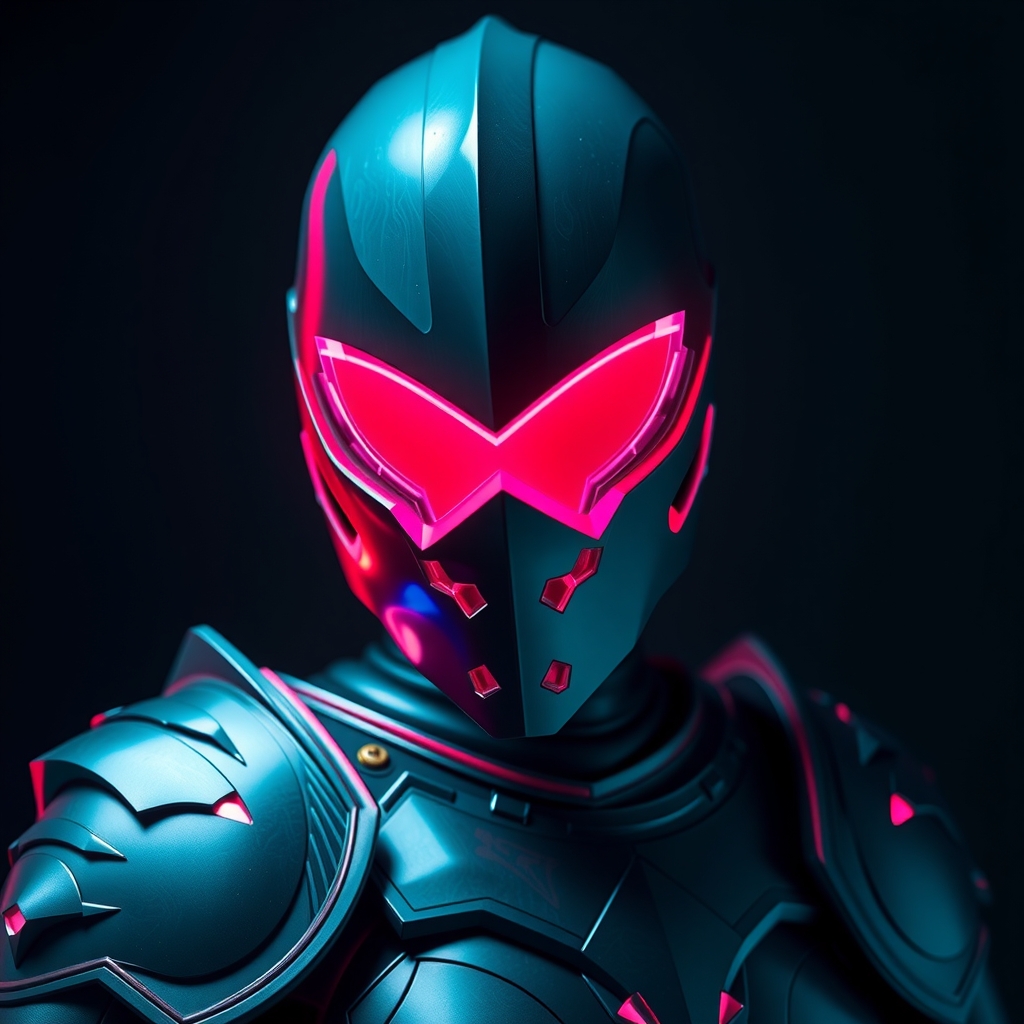

Introduction to Unconventional Materials
As cosplayers, we're always looking for ways to push the boundaries of creativity and realism in our costumes. While fabric is a staple material for many cosplay projects, there are numerous unconventional materials that can add texture, depth, and uniqueness to your creations. In this guide, we'll explore some popular alternatives to traditional fabric, including latex, foam, and more.
Latex: A Versatile and Expressive Material
Latex is a highly versatile material that can be molded, shaped, and painted to create a wide range of effects. From sleek, high-shine finishes to textured, matte surfaces, latex can be used to create intricate details and realistic props. There are several types of latex available, including:
- Liquid latex: A flexible, pourable liquid that can be brushed or poured onto a surface to create a flexible, rubber-like finish.
- Latex sheets: Thin, flexible sheets of latex that can be cut, shaped, and bonded to create more complex forms.
- Latex foam: A lightweight, porous material that can be carved and shaped to create rigid, three-dimensional forms.
When working with latex, it's essential to take safety precautions, such as wearing gloves and working in a well-ventilated area. Additionally, latex can be prone to tearing and puncturing, so be sure to handle it carefully.
Applications for Latex in Cosplay
Latex can be used in a variety of cosplay applications, including:
- Creating realistic skin textures and wounds
- Building props and accessories, such as masks, helmets, and jewelry
- Adding details and embellishments to costumes, such as rivets, bolts, and seams
Foam: A Lightweight and Versatile Material
Foam is a popular material for cosplay due to its lightweight, flexible nature and ease of use. There are several types of foam available, including:
- EVA foam: A dense, flexible foam that can be carved, shaped, and bonded to create rigid forms.
- Expanded foam: A lightweight, porous material that can be carved and shaped to create complex forms.
- Foam sheets: Thin, flexible sheets of foam that can be cut, shaped, and bonded to create more complex forms.
Foam can be used to create a wide range of cosplay elements, from props and accessories to armor and costume pieces.
Applications for Foam in Cosplay
Foam can be used in a variety of cosplay applications, including:
- Building armor and protective gear, such as helmets, shoulder pads, and knee pads
- Creating props and accessories, such as swords, shields, and staffs
- Adding details and embellishments to costumes, such as studs, rivets, and seams
- Paper and cardboard: Lightweight, inexpensive materials that can be used to create intricate details and complex forms.
- 3D printing materials: A range of materials, including plastics, resins, and metals, that can be used to create highly detailed, precise parts.
- Leather and vinyl: Durable, flexible materials that can be used to create realistic, high-end finishes.
- Research and plan carefully: Understand the properties and limitations of your material, and plan your project accordingly.
- Test and experiment: Test your material and techniques on a small scale before committing to a larger project.
- Take safety precautions: Wear protective gear, work in a well-ventilated area, and follow proper safety protocols when working with unconventional materials.
Other Unconventional Materials for Cosplay
In addition to latex and foam, there are numerous other unconventional materials that can be used in cosplay, including:
When working with unconventional materials, it's essential to consider factors such as durability, weight, and comfort, as well as any necessary safety precautions.
Tips for Working with Unconventional Materials
When working with unconventional materials, it's essential to:
Conclusion
Unconventional materials, such as latex, foam, and more, offer a world of creative possibilities for cosplayers. By understanding the properties and applications of these materials, you can take your costume game to the next level and create truly show-stopping pieces. Whether you're a seasoned pro or just starting out, we hope this guide has inspired you to experiment with new materials and techniques in your cosplay journey.