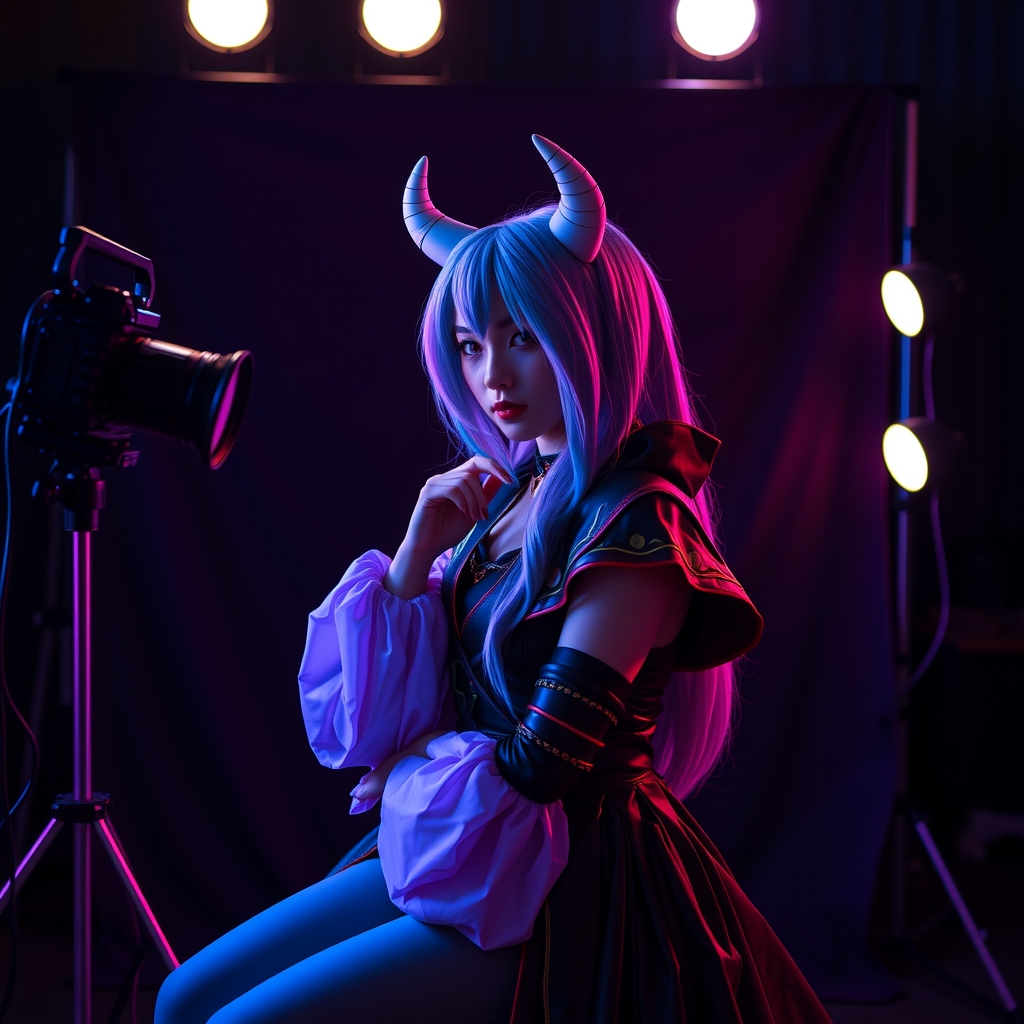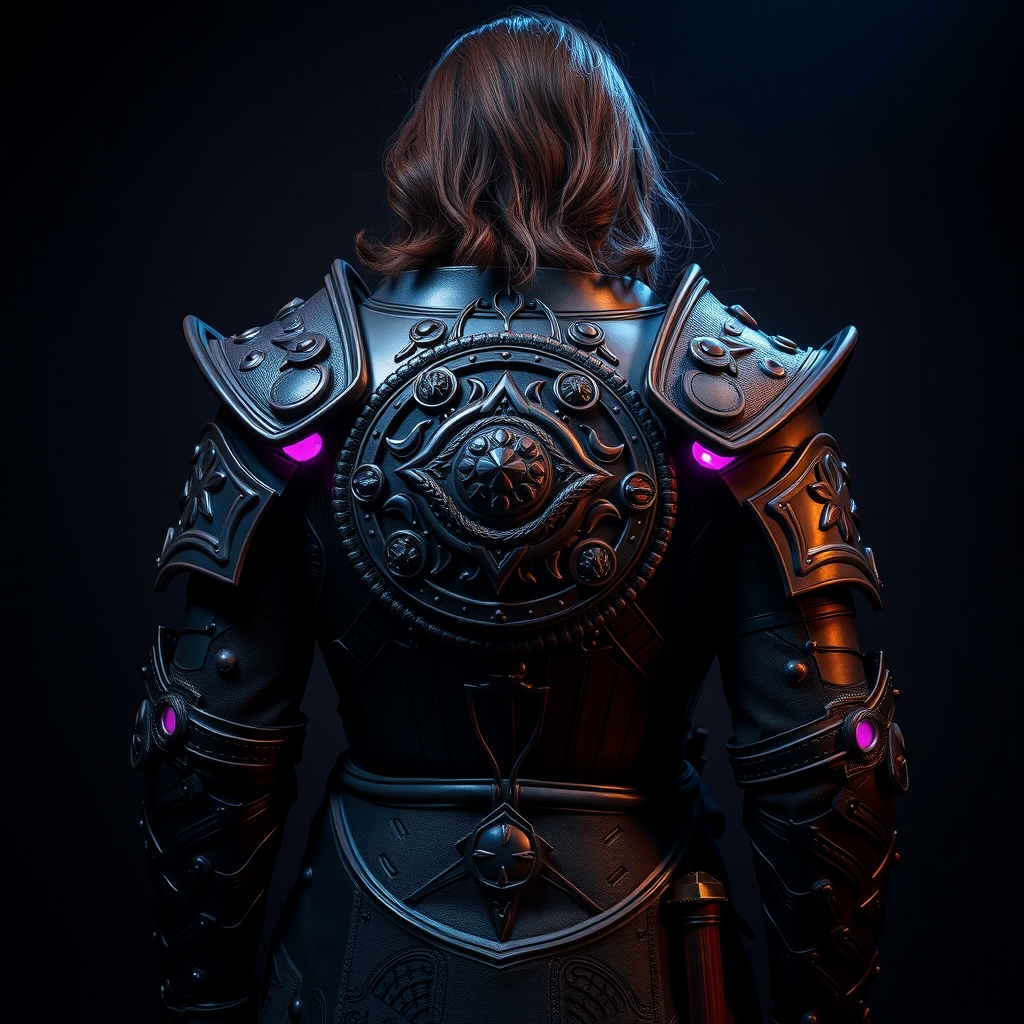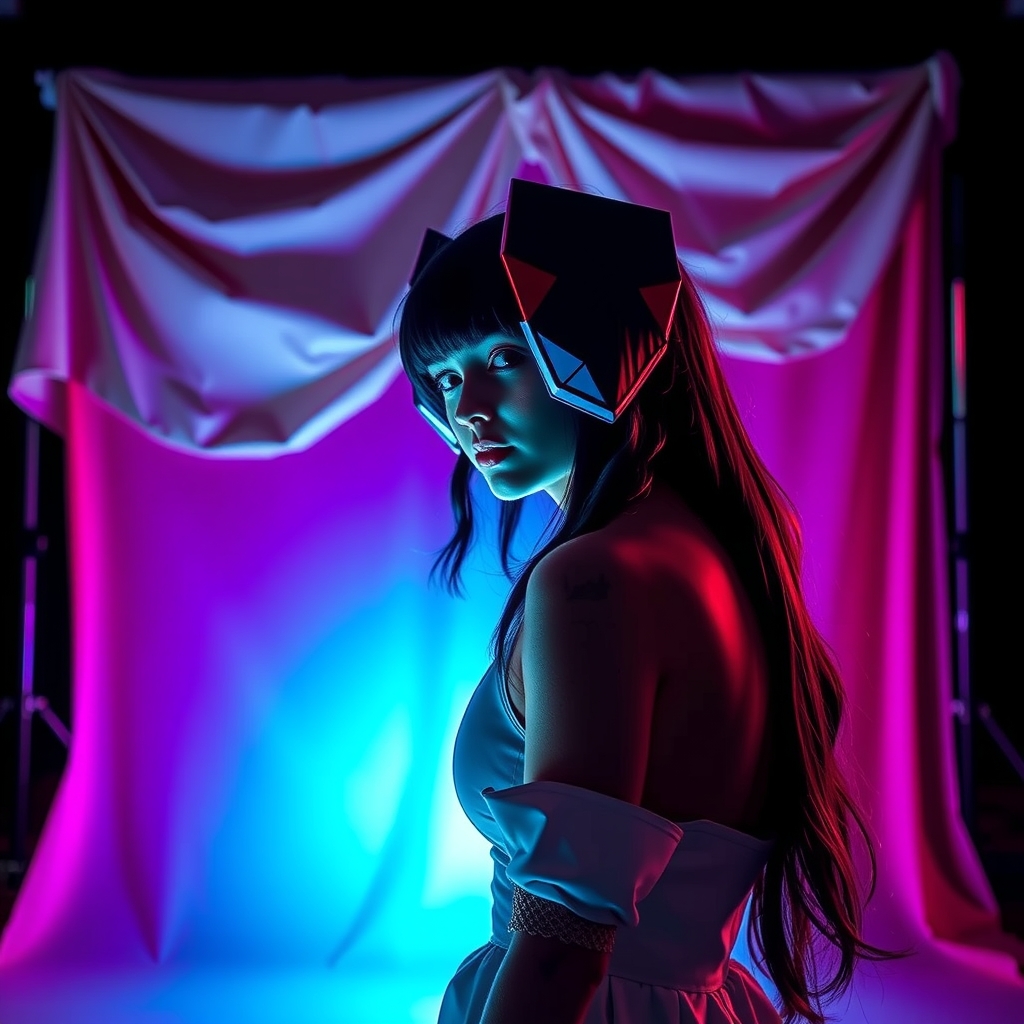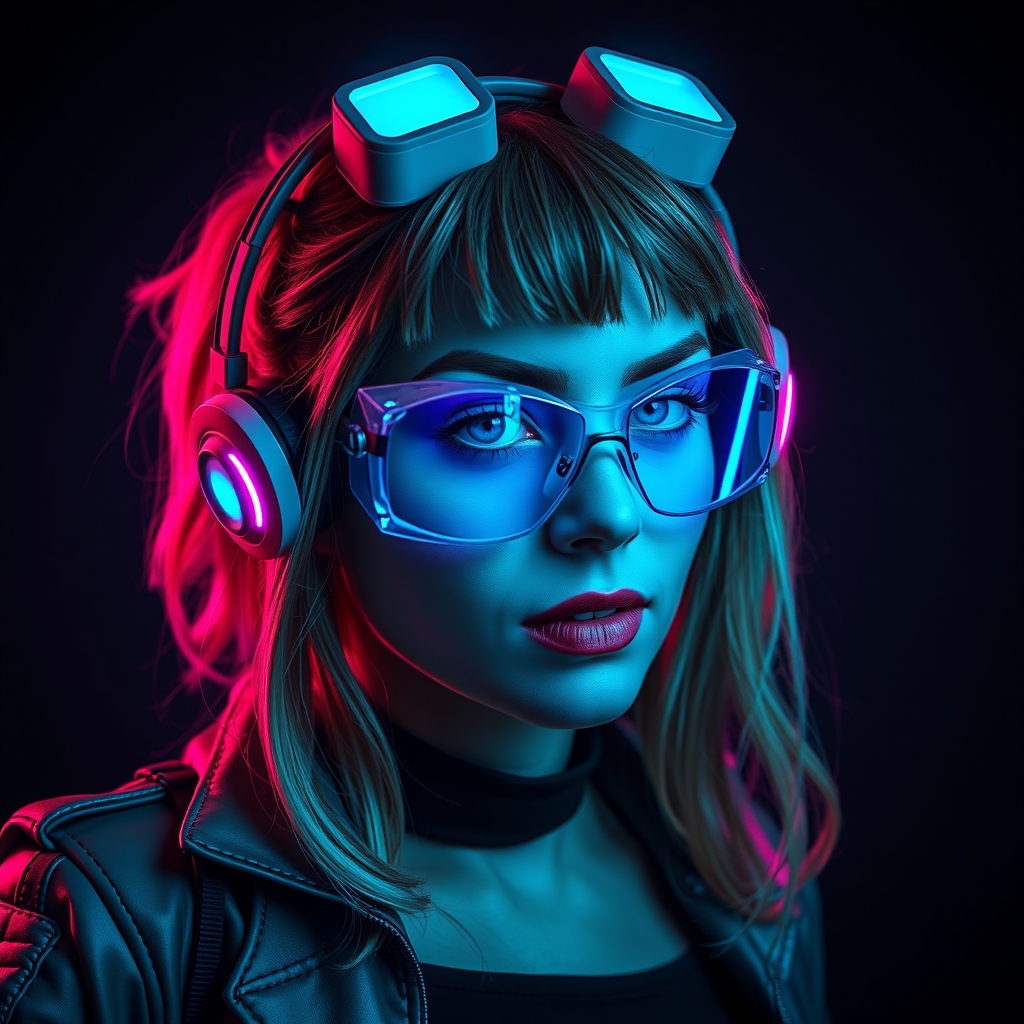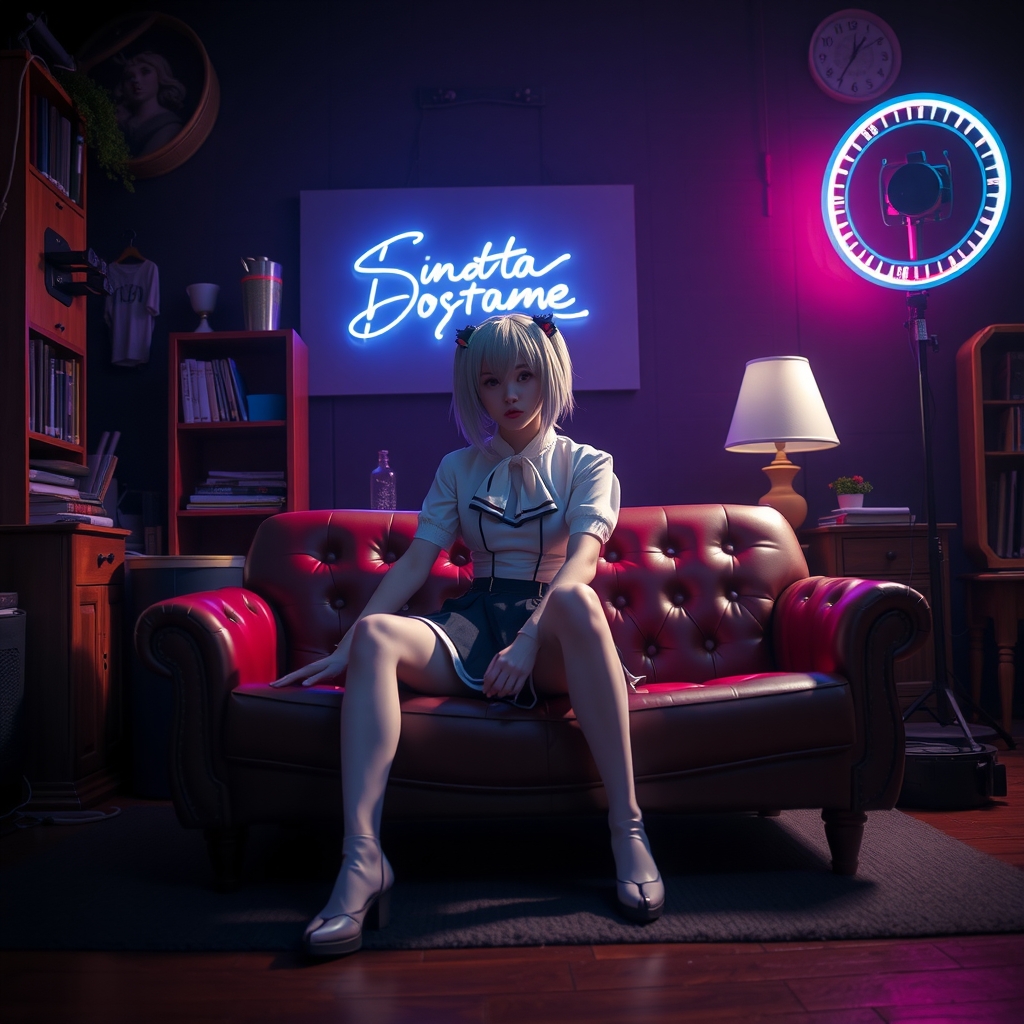
For many cosplayers, the focus begins and ends with the garment. However, the difference between a great costume photo and a cinematic image often lies in the environment. Whether you are preparing for a convention display, a home studio shoot, or a themed gathering, creating an immersive space can elevate your presentation. The challenge is that professional set pieces are expensive and bulky. The solution lies in "thrift flipping"—the art of sourcing discarded furniture and modifying it to fit the aesthetic of a specific anime or gaming world.
Identifying the Right Base Pieces
The secret to budget set design is ignoring the current color and fabric of a piece of furniture and focusing entirely on its silhouette and material. When browsing thrift stores or online marketplaces, look for "bones" that mirror the architectural style of your chosen series.
Material Selection
Solid Wood: Ideal for fantasy or historical anime. Wood can be sanded, carved, and stained to look like ancient ruins or ornate palace interiors. Look for heavy coffee tables or old dressers that can be stripped down.
Metal and Plastic: Essential for cyberpunk or sci-fi environments. Look for mid-century modern chairs with chrome frames or plastic shelving units. These provide the clean, industrial lines necessary for a futuristic laboratory or a neon-lit city street.
Upholstery: Avoid heavily patterned fabrics that are difficult to dye. Instead, look for neutral colors or pieces with removable slips. A plain old armchair can be transformed into a royal throne with the addition of a few yards of velvet fabric and some gold spray paint.
The Art of the "Anime-fication" Process
The Art of the "Anime-fication" Process
Once you have your base piece, the goal is to remove the "domestic" feel and replace it with "world-building" details. This process involves three main stages: stripping, sculpting, and detailing.
Stripping and Prepping
Before applying new colors, you must prepare the surface. For wooden furniture, a light sanding removes old varnish and allows new paint to adhere. For plastic or metal, a degreasing agent is necessary to prevent peeling. If you are working with a piece that has a stubborn finish, a chemical stripper can be used, provided you work in a well-ventilated area with proper safety gear.
Adding Volume and Texture
Anime environments often feature exaggerated proportions or organic shapes. You can add these using affordable craft materials:
- EVA Foam: Glue foam strips to the edges of a table to create "tech" panels or ornate molding.
- Expanding Foam: For organic, alien, or decayed looks, expanding foam can be sprayed onto a surface and then carved once dry to resemble rock or biological growths.
- Cardboard and Gesso: Layering cardboard and coating it in gesso (a white acrylic primer) allows you to create faux-stone textures or architectural pillars.
Painting for the Camera
Furniture paint is designed for durability, but set paint is designed for visual impact. To make your furniture look like it belongs in a high-budget animation, you need to move beyond flat colors.
The Power of Base-Coating
Start with a high-quality primer. For sci-fi sets, a matte grey or black base works best. For fantasy, a warm ochre or deep brown provides a natural foundation. Use spray paint for large, flat areas to avoid brush strokes, but switch to acrylics for detail work.
Creating Depth with Weathering
Nothing kills immersion faster than a piece of furniture that looks like it was just bought from a store. Weathering adds a story to your prop.
- Dry Brushing: Dip a stiff brush in a light color, wipe most of it off on a paper towel, and lightly flick it across the edges of the furniture. This simulates wear and tear.
- Washes: Mix a small amount of black or brown acrylic paint with a lot of water. Apply it to crevices and let it run. This creates artificial shadows and grime, making the piece look lived-in.
- Metallic Rubs: Use silver wax or acrylics on the corners of "metal" furniture to simulate chipped paint and exposed steel.
Lighting Your Environment
The final step in transforming furniture into a set is lighting. The right light can make a cheap thrift store table look like a holographic console or a magical altar.
Integrating LED Strips
Battery-powered LED strips are the most versatile tool for budget builders. Hide them under the lip of a table or behind a chair to create a "glow" effect. For a cyberpunk look, use cool blues and magentas. For a magical or divine atmosphere, stick to warm whites or golds.
Diffusing the Light
Raw LEDs can look harsh and "cheap" on camera. To fix this, cover the lights with translucent materials. Frosted acrylic, parchment paper, or even thin white fabric can soften the light, creating a professional, atmospheric bloom that mimics anime cinematography.
Practical Logistics and Storage
Building large environments comes with the challenge of space. Since most cosplayers do not have a dedicated warehouse, modularity is key.
Designing for Transport
If you plan to take your set pieces to a convention or a studio, build them to be collapsible. Use wing nuts and bolts instead of permanent glue for large sections. If you have modified a heavy piece of furniture, consider adding locking caster wheels to the bottom to make it movable without risking injury or damage to the floor.
Temporary Modifications
If you are using furniture that you intend to keep for personal use after the shoot, avoid permanent paint. Instead, use:
- Vinyl Wraps: Adhesive vinyl can change the color of a surface and be peeled off later.
- Fabric Drapes: High-quality fabrics can hide the original furniture entirely while providing the necessary color palette.
- Removable Command Hooks: Use these to hang accessories or "tech" panels onto the furniture without drilling holes.