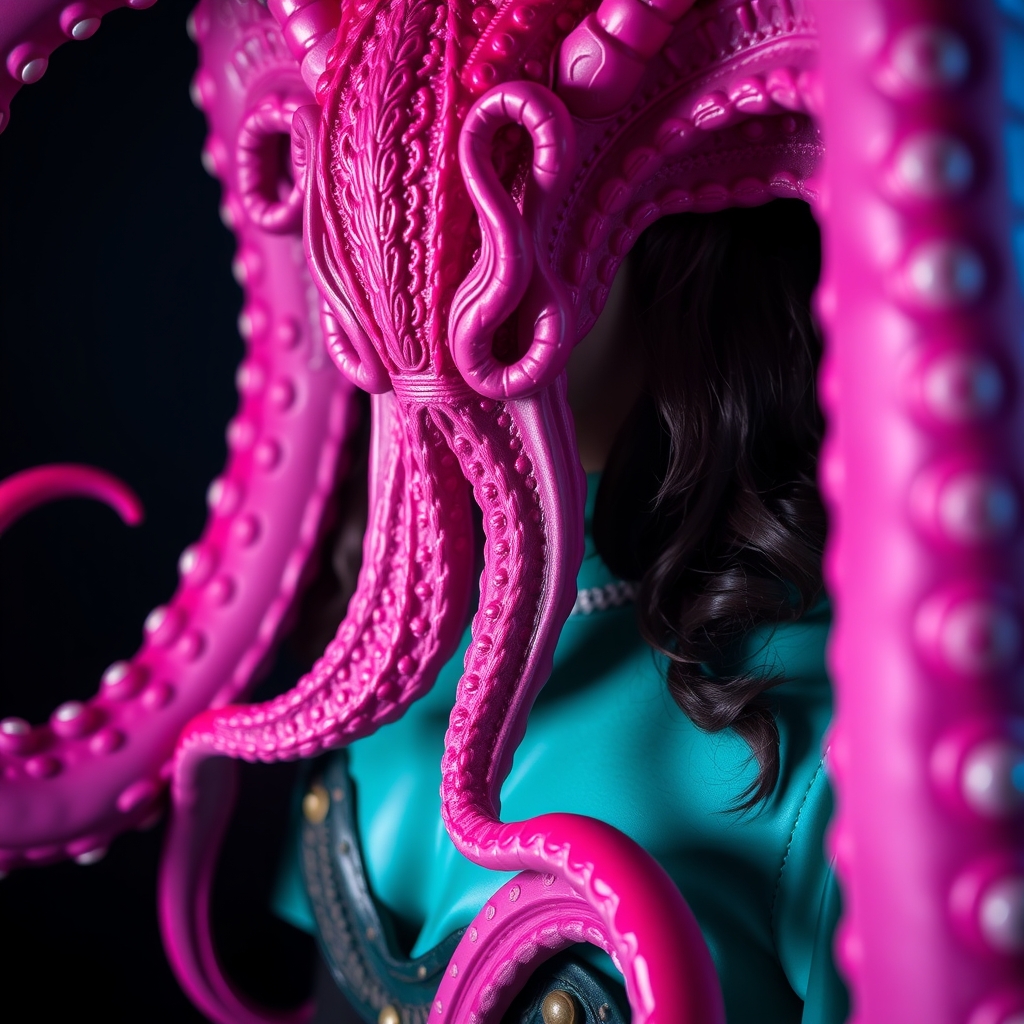

Introduction to Upcycling in Cosplay
As cosplayers and prop makers, we're constantly on the lookout for innovative materials and techniques to bring our creations to life. One often-overlooked resource lies right in front of us: our own homes. The humble household items we might otherwise discard can be transformed into intricate, unique props that not only reduce waste but also add a touch of personality to our cosplay. In this guide, we'll explore the art of repurposing everyday items into extraordinary cosplay props.
Finding Inspiration in Everyday Items
The first step in creating props from unconventional materials is to develop an eye for potential. Start by taking stock of the items you might normally throw away or recycle. Old cardboard tubes, plastic containers, fabric scraps, and even broken appliances can serve as the foundation for your next prop. Consider the textures, shapes, and functions of these items and how they might be repurposed. For example, an old PVC pipe could become a sword hilt, while a wire coat hanger might transform into a shield frame or a piece of armor.
Common Household Items and Their Prop Potential
- Cardboard and Paper Products: Cardboard tubes, egg cartons, and paper mache can be used to create detailed structures, such as castle walls, mechanical limbs, or fantasy creatures.
- Plastics: Old containers, bottles, and straws can be repurposed into futuristic gadgets, sci-fi armor, or even jewelry.
- Fabrics and Textiles: Fabric scraps, old clothes, and linens can be transformed into costumes, capes, or used to upholster prop furniture.
- Metals and Wires: Wire hangers, metal mesh, and old tools can be used to create armor, weapons, or mechanical components.
- Electronics and Lighting: Old electronics, LED lights, and glow sticks can add an extra layer of realism or drama to your props, especially for items that require lighting.
Techniques for Working with Unconventional Materials
Once you've identified your materials, it's time to get creative with how you transform them. Here are some techniques to get you started:
- Cutting and Shaping: Use craft knives, scissors, or power tools to cut and shape your materials into the desired form.
- Adhesives and Bonding: Experiment with different adhesives, such as hot glue, epoxy, or super glue, to bond materials together.
- Painting and Finishing: Use paint, varnish, or other finishes to add color, texture, and protection to your props.
- Combining Materials: Don't be afraid to mix and match different materials to achieve the desired look or functionality.
Case Study: Creating a Prop from Scratch
Let's take a look at a practical example. Suppose you want to create a futuristic rifle prop from an old PVC pipe, some metal wire, and a few plastic containers. You could start by cutting the PVC pipe to the desired length and shape. Then, use wire to create the rifle's stock and attach the plastic containers as scopes or a magazine. Finally, add some paint and finishing touches to give it a sleek, metallic look.
Sustainability and Creativity in Cosplay
Using unconventional materials for cosplay props not only fosters creativity but also promotes sustainability. By repurposing items that would otherwise end up in landfills, we reduce waste and minimize our environmental footprint. This approach also encourages innovation and resourcefulness, essential skills for any cosplayer or prop maker.
Tips for Successful Upcycling
- Keep an Open Mind: Be willing to experiment and see potential in unexpected items.
- Research and Reference: Gather inspiration from various sources to guide your creative process.
- Practice and Patience: Don't be discouraged by failures – they're an opportunity to learn and improve.
- Share Your Process: Documenting and sharing your upcycling journey can inspire others and provide valuable insights.
Conclusion
Repurposing household items for cosplay props is a rewarding and creative way to breathe new life into old finds. By embracing upcycling, we not only reduce waste but also push the boundaries of what's possible in cosplay. Whether you're a seasoned prop maker or just starting out, we hope this guide has inspired you to see the potential in the everyday and to create something truly unique.