Introduction to Anime Background Recreation
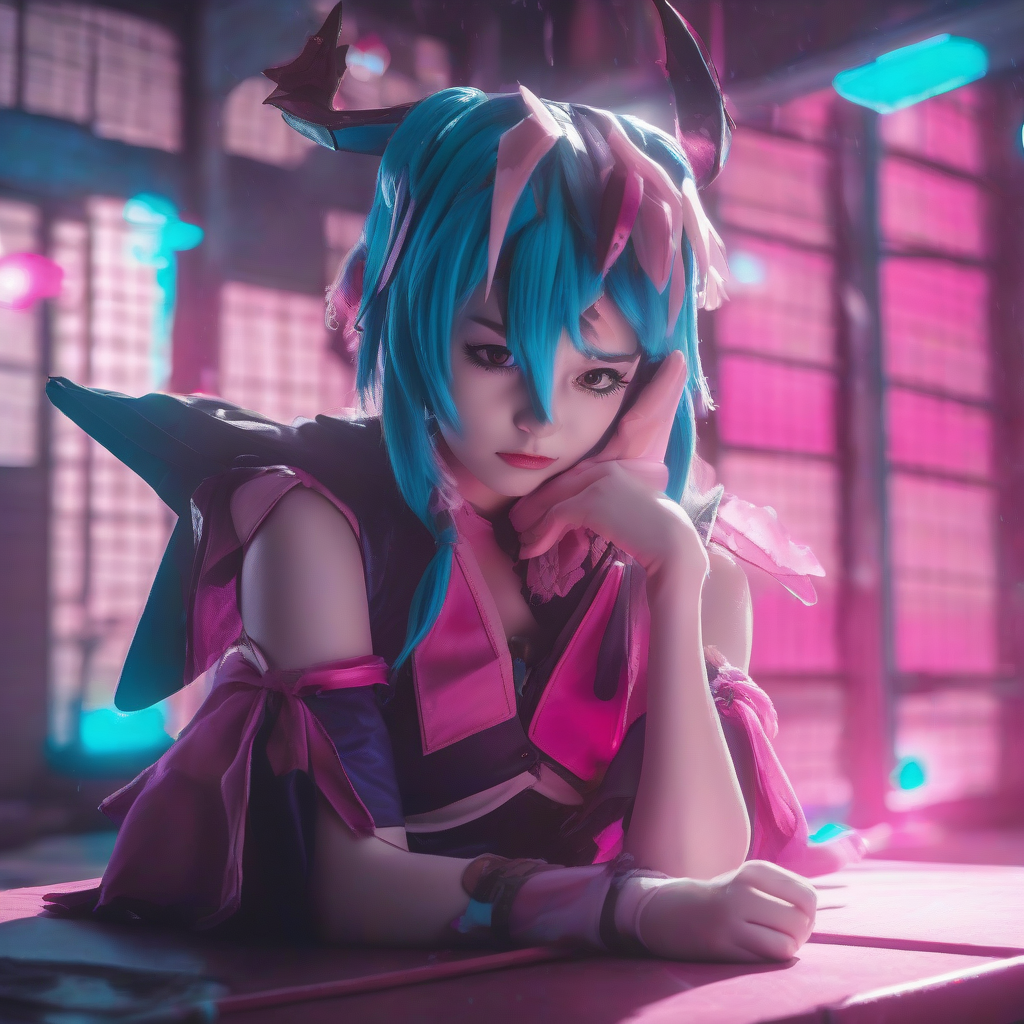
As cosplayers, we're constantly seeking ways to elevate our craft and transport ourselves, and our audience, into the world of our favorite anime. One crucial element in achieving this immersion is the recreation of iconic backgrounds. A well-crafted backdrop can instantly elevate your cosplay, making it more engaging and authentic. In this guide, we'll walk you through the process of recreating anime backgrounds, from concept to completion.
Conceptualization and Research
The first step in recreating an anime background is to gather reference materials. Collect screenshots or stills of the background you want to recreate, taking note of colors, textures, and key features. Identify the setting, architecture, and any distinctive elements that make the background recognizable. This research will serve as the foundation for your project.
- Collect reference images from various angles and lighting conditions
- Note the color palette and any distinctive color combinations
- Identify key features, such as architectural details or props
Choosing Materials and Techniques
With your research in hand, it's time to decide on materials and techniques. Depending on your resources and desired level of detail, you can choose from a variety of materials, such as foam board, cardboard, or even 3D printing. Consider the size and portability of your backdrop, as well as any potential durability concerns.
Some popular techniques for creating anime backgrounds include:
- Painting and finishing: Use acrylics or latex paint to achieve a realistic look, and add textures with sponges, brushes, or airbrushing
- Paper crafting: Cut out intricate details or create large sections using paper or cardstock
- Foam and Worbla: Shape and mold foam or Worbla to create three-dimensional elements
Building a Large-Scale Backdrop
For larger backdrops, consider using a modular design or sectioning your background into manageable parts. This will make transportation and storage easier, while also allowing for greater flexibility during setup.
- Design your backdrop in sections, taking into account any seams or joints
- Use a sturdy base material, such as foam board or plywood, to support your backdrop
- Add details and textures last, working from the center outwards to minimize damage
Adding Final Details and Lighting
Once your backdrop is constructed, it's time to add final details and lighting. Consider using string lights, LED strips, or projection mapping to recreate the ambiance and atmosphere of your chosen anime.
Some additional details to consider:
- Weathering and wear: Add subtle signs of wear and tear to give your backdrop a more lived-in look
- Props and set dressing: Incorporate props and set dressing elements to enhance the scene and create a more immersive experience
- Lighting effects: Use lighting to create dramatic effects, such as sunset or cityscape glow
Tips for Transport and Display
When transporting and displaying your backdrop, consider the following:
- Use a sturdy frame or support system to prevent damage or warping
- Choose a display location with minimal foot traffic and stable environmental conditions
- Have a plan for securing your backdrop to prevent it from toppling or shifting during display
Conclusion
Recreating anime backgrounds is a rewarding and challenging project that can elevate your cosplay to new heights. By following these steps and experimenting with different materials and techniques, you can create immersive and engaging environments that transport you and your audience into the world of your favorite anime.