Introduction to Virtual Cosplay
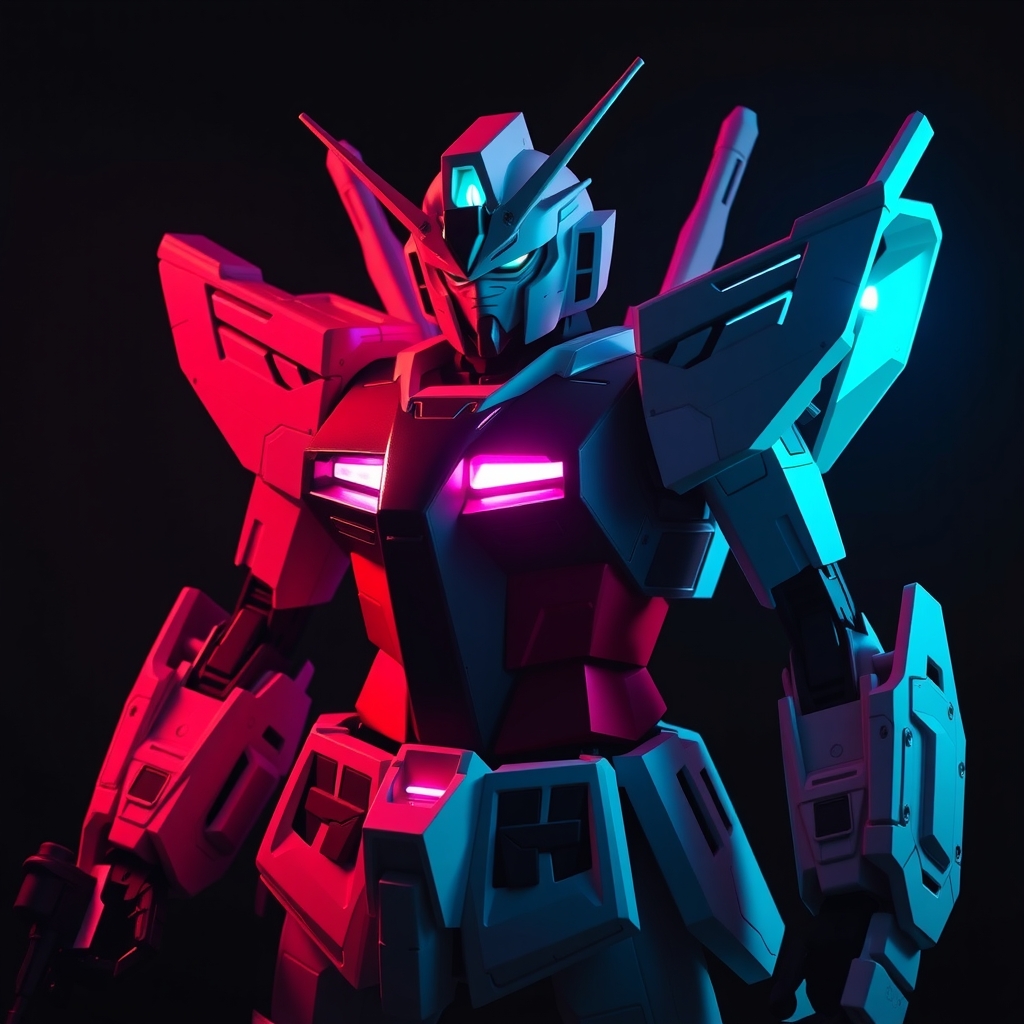
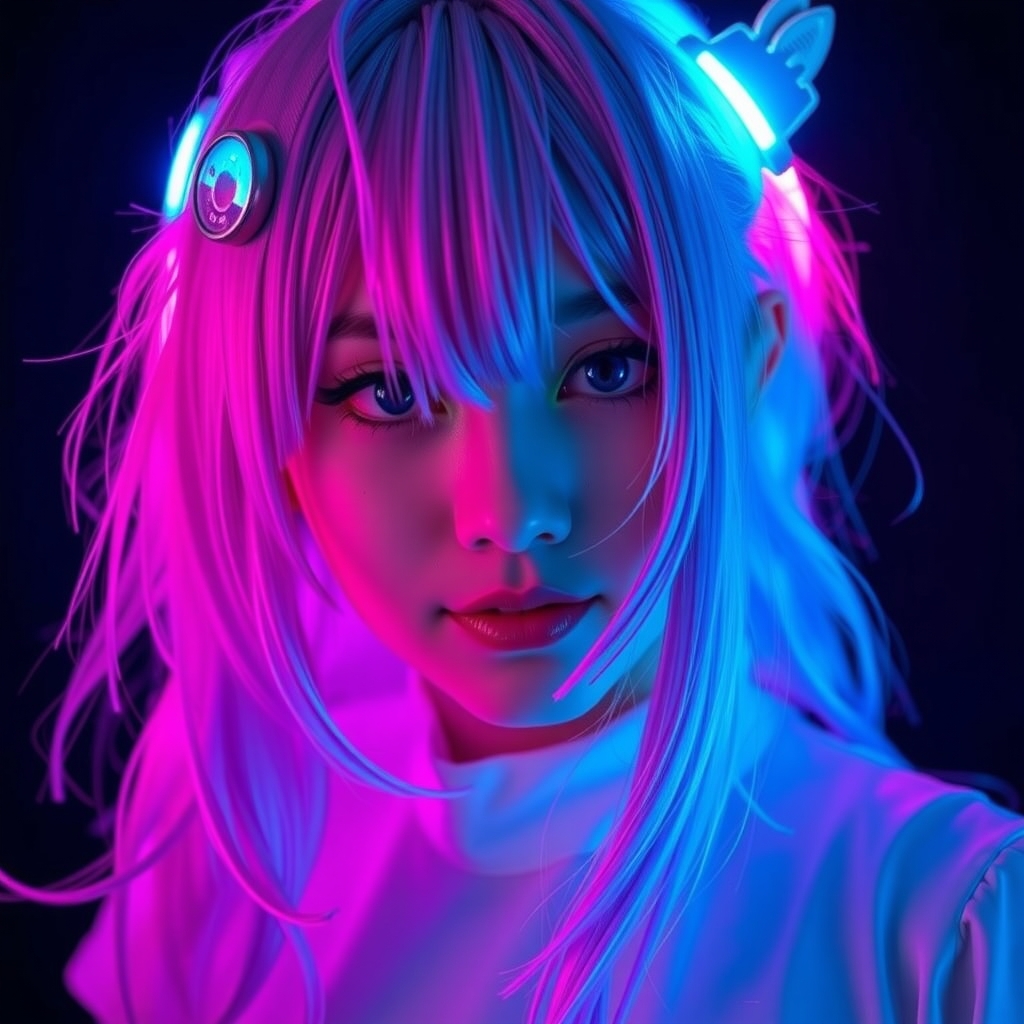
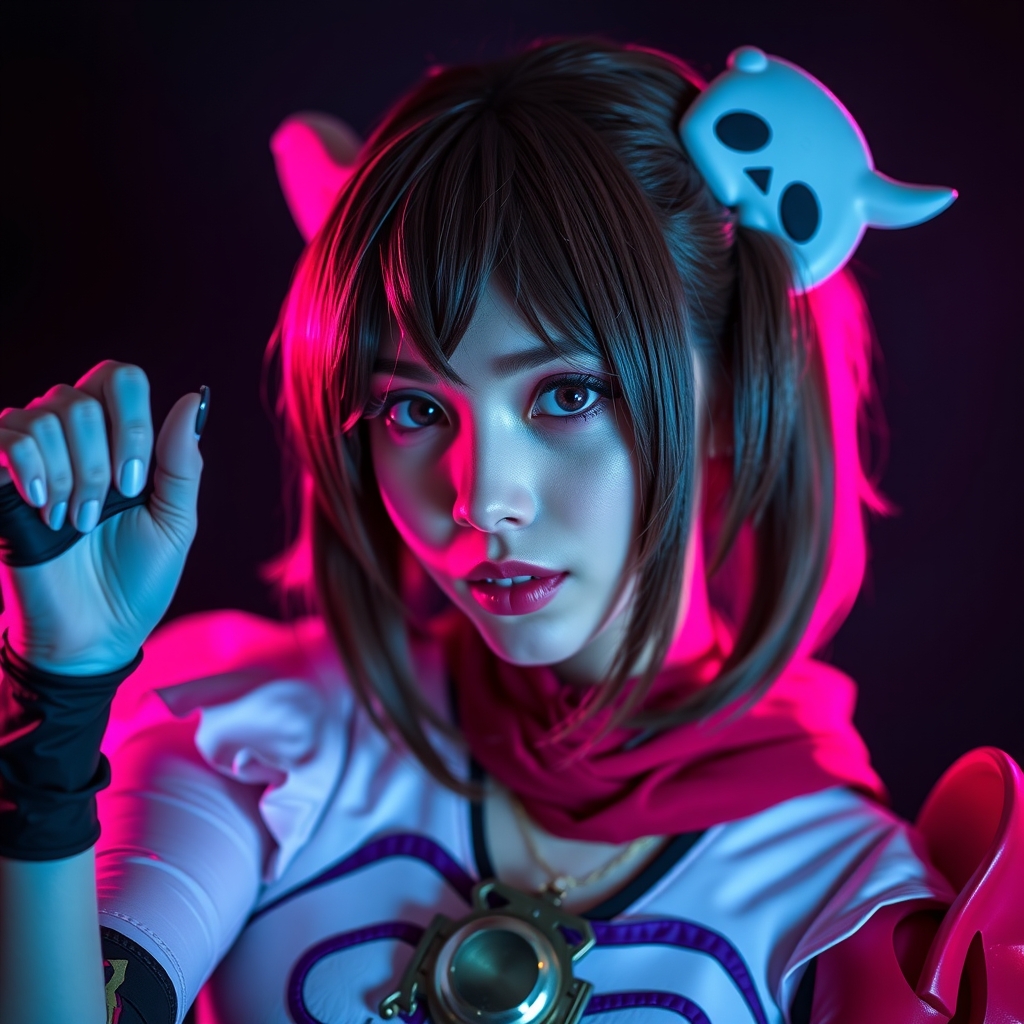
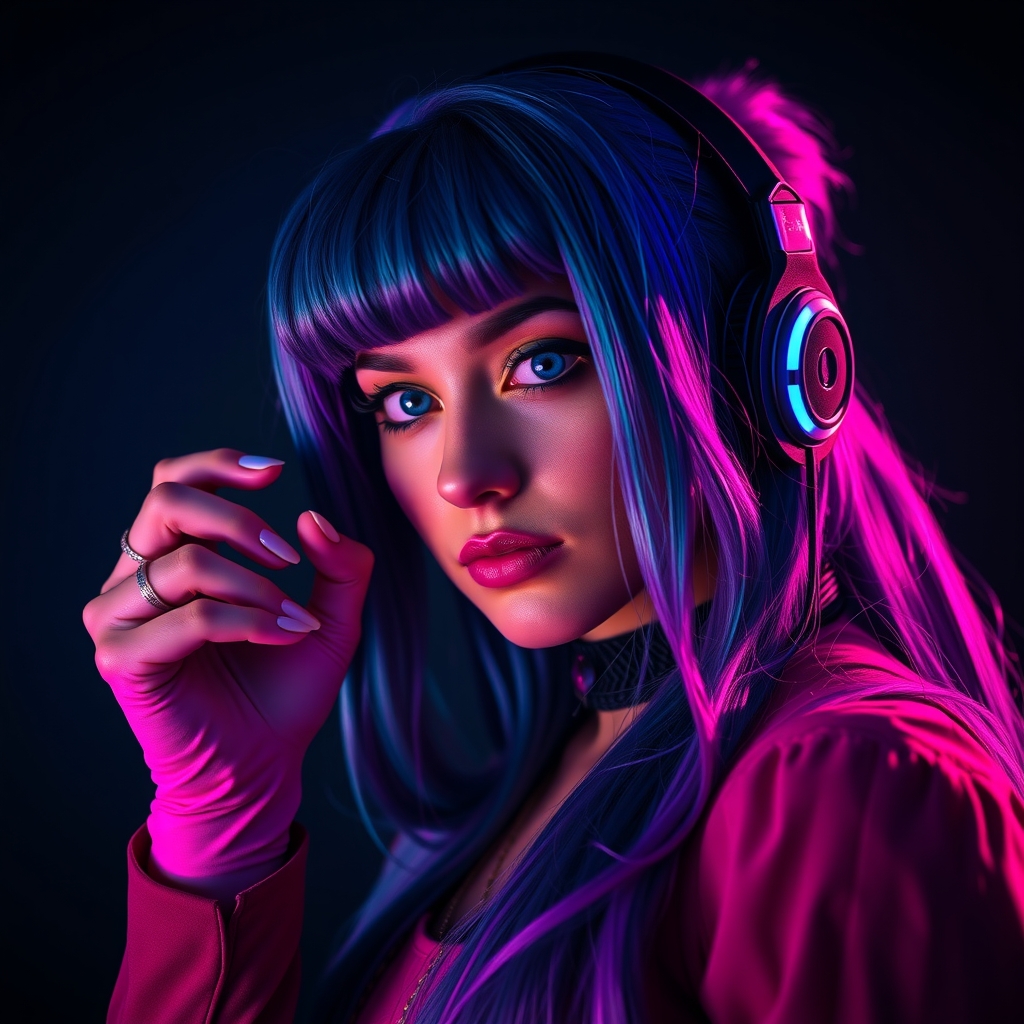
Virtual cosplay has become an increasingly popular way for fans to express their creativity and showcase their favorite characters in a digital format. With the rise of social media and online communities, it's easier than ever to share and discover new virtual cosplay creations. In this guide, we'll explore the world of virtual cosplay and provide practical tips and techniques for creating stunning digital characters and avatars.
Software and Tools for Virtual Cosplay
To get started with virtual cosplay, you'll need the right software and tools. Some popular options include:
- Digital art software: Adobe Photoshop and Clip Studio Paint are industry standards for creating 2D digital art.
- 3D modeling software: Blender and Autodesk Maya are powerful tools for creating 3D models and animations.
- Avatar creation software: Live2D and VRoid Studio allow you to create customizable 2D and 3D avatars.
Choosing the Right Software for Your Needs
When selecting software for virtual cosplay, consider the type of character or avatar you want to create and your level of experience. For example, if you're new to digital art, you may want to start with a user-friendly program like Krita or Medibang Paint. If you're looking to create 3D models, Blender is a great free option.
Designing and Creating Virtual Characters
When designing a virtual character or avatar, it's essential to consider the following factors:
- Reference images: Collect reference images of the character you want to create, including different angles, poses, and expressions.
- Color palette: Choose a color palette that accurately represents the character's appearance and personality.
- Anatomy and proportions: Ensure that your character's anatomy and proportions are accurate and consistent with the original character design.
Tips for Creating Realistic Virtual Characters
To create realistic virtual characters, focus on details such as:
- Textures and materials: Use textures and materials to add depth and realism to your character's appearance.
- Lighting and shading: Experiment with different lighting and shading techniques to create a more realistic and immersive appearance.
- Expressions and animations: Create a range of expressions and animations to bring your character to life.
Sharing and Showcasing Your Virtual Cosplay
Once you've created your virtual character or avatar, it's time to share it with the world. Consider the following platforms and communities:
- Social media: Share your creations on social media platforms like Instagram, Twitter, and Facebook.
- Online forums and communities: Join online forums and communities dedicated to cosplay, anime, and gaming to share your work and connect with others.
- Virtual cosplay events: Participate in virtual cosplay events and contests to showcase your creations and compete with others.
Conclusion and Future of Virtual Cosplay
Virtual cosplay offers a unique and exciting way for fans to express their creativity and showcase their favorite characters in a digital format. As technology continues to evolve, we can expect to see even more advanced tools and software for creating stunning virtual characters and avatars. Whether you're a seasoned cosplayer or just starting out, virtual cosplay is an exciting and accessible way to bring your favorite characters to life.