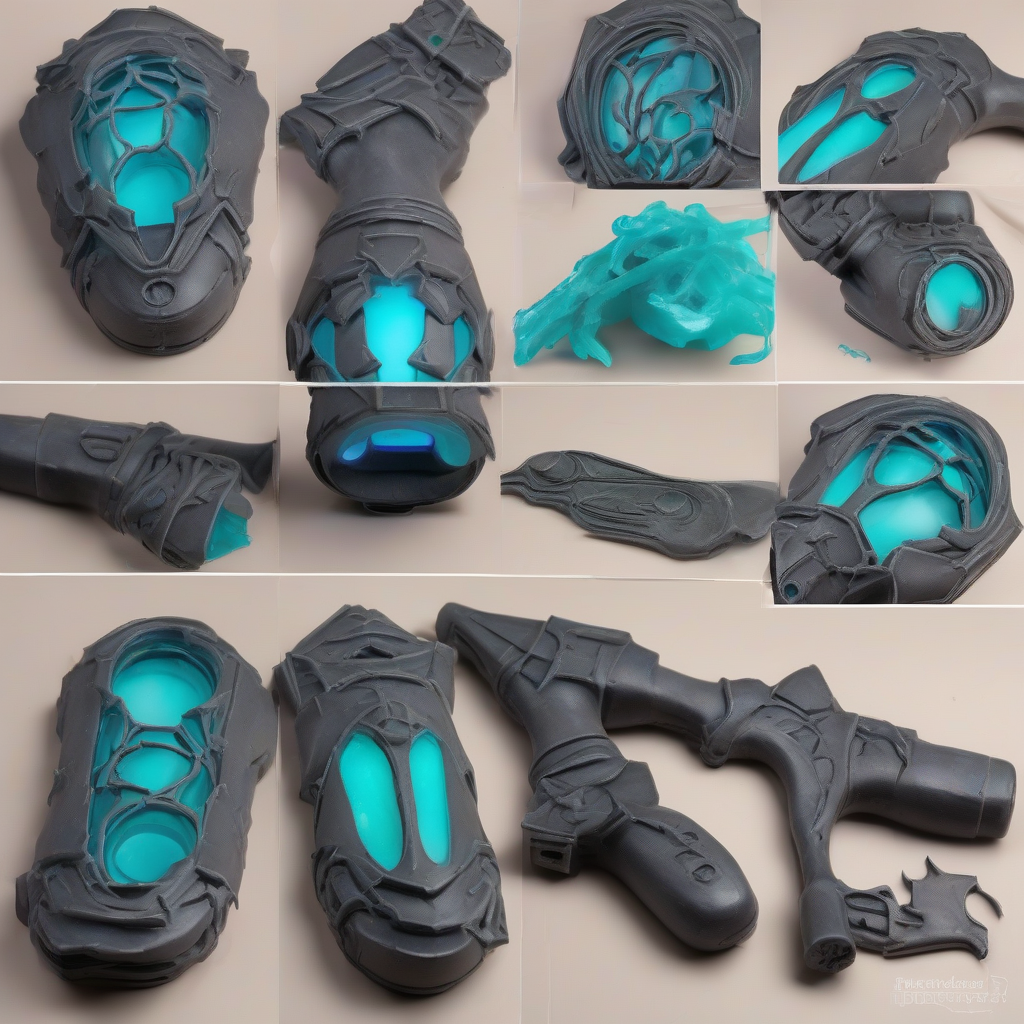

Introduction to Live-Action Cosplay
Cosplay, the art of creating and wearing costumes and accessories to represent a character from a work of fiction, has long been a staple of fan culture. While many cosplayers focus on characters from anime, manga, comics, and video games, live-action TV shows and movies offer a wealth of inspiration for creative and intricate costumes. In this guide, we'll explore the process of bringing live-action characters to life through cosplay, from initial research to final touches.
Research and Planning
Before starting your live-action cosplay project, thorough research is essential. Here are some steps to help you get started:
- Choose a character: Select a character that resonates with you, and ensure you have a clear understanding of their personality, traits, and style.
- Reference gathering: Collect reference images of your character from various angles, including close-ups and full-body shots. This will help you understand their costume details, colors, and textures.
- Script and canon analysis: Read or watch the source material to gain insight into your character's development, behaviors, and interactions.
- Break down the costume: Dissect your character's costume into individual components, such as clothing, accessories, props, and makeup.
Crafting Techniques and Materials
Live-action cosplay often requires a range of crafting techniques and materials. Here are some common methods and supplies:
Costume Construction
Costume construction involves creating garments that accurately represent your character's attire. Consider the following techniques:
- Pattern making and sewing: Create custom patterns and sew garments that match your character's clothing.
- Prop making: Craft props, such as swords, guns, or jewelry, using materials like foam, Worbla, or 3D printing.
- Weathering and distressing: Add wear and tear to your costume using techniques like fraying, fading, or applying texture.
Makeup and Body Art
Makeup and body art can elevate your cosplay, adding a realistic touch to your character's appearance:
- Prosthetics and appliances: Apply prosthetic pieces, such as scars, wounds, or facial features, to transform into your character.
- Body painting: Use body paint to create intricate designs, patterns, or colors that match your character's appearance.
- Special effects makeup: Learn techniques for creating realistic blood, wounds, or aging effects.
Accessories and Props
Accessories and props can make or break a cosplay. Here are some tips for creating authentic-looking items:
Props and Armor
Props and armor can be challenging to create, but with the right materials and techniques, you can achieve impressive results:
- Foam and Worbla: Use these materials to craft lightweight, durable props and armor pieces.
- 3D printing and resin casting: Create complex prop designs using 3D printing and resin casting techniques.
- Painting and finishing: Add color, texture, and weathering effects to your props and armor.
Accessories and Details
The smallest details can make a significant impact on your cosplay. Consider adding:
- Jewelry and adornments: Create or acquire jewelry, such as necklaces, earrings, or brooches, to complete your character's look.
- Footwear and headpieces: Craft or modify shoes, hats, or headpieces to match your character's style.
- Textured fabrics and materials: Add texture and depth to your costume using fabrics, leather, or other materials.
Conclusion and Tips for Success
Live-action cosplay requires dedication, creativity, and attention to detail. To ensure success:
- Start early: Allow plenty of time for research, planning, and crafting.
- Be patient: Cosplay can be a time-consuming and iterative process.
- Practice and refine: Continuously improve your crafting skills and techniques.
- Have fun: Enjoy the process of bringing your favorite characters to life!