Introduction to 3D Printed Cosplay Props
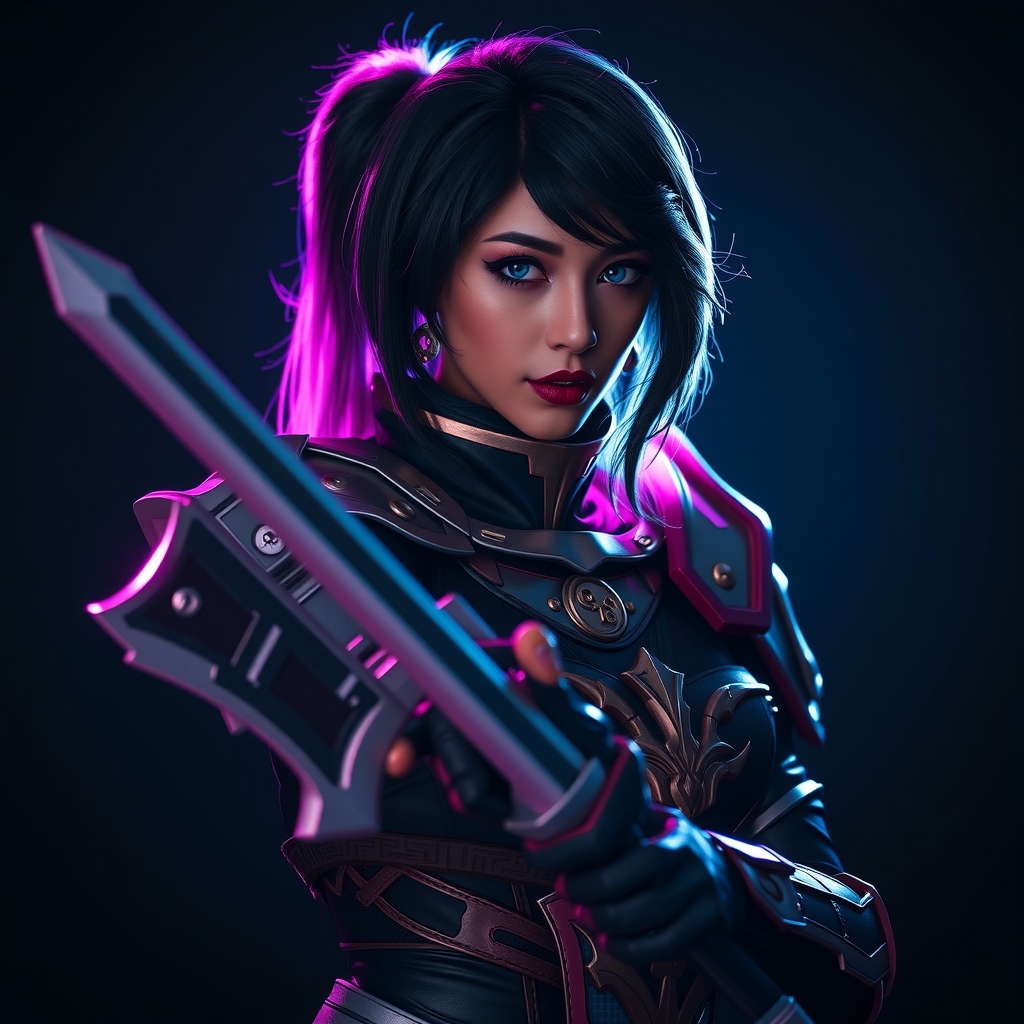
As a cosplayer, creating custom props can elevate your costume from great to extraordinary. With the rise of 3D printing technology, it's now possible to design and print intricate props with unprecedented detail and accuracy. In this guide, we'll walk you through the process of designing and printing 3D cosplay props, covering the essential tools, software, and techniques you need to get started.
Designing Your Prop
Before you can print your prop, you need to design it. This involves creating a digital model using computer-aided design (CAD) software or 3D modeling tools. If you're new to design, consider starting with software like Tinkercad, Fusion 360, or Blender, which offer user-friendly interfaces and tutorials.
When designing your prop, keep the following factors in mind:
- Reference images: Collect reference images of the prop you want to create to ensure accuracy and attention to detail.
- Scale: Consider the scale of your prop in relation to your costume and body.
- Material: Think about the material you'll be printing with and how it will affect the final product.
- Complexity: Balance detail and complexity with printability and post-processing requirements.
Tips for Designing 3D Models
To create a successful 3D model, follow these best practices:
- Use simple shapes and geometries to build complex models.
- Optimize your model for 3D printing by ensuring it's watertight and has a suitable thickness.
- Consider using 3D scanning or photogrammetry to create accurate models of real-world objects.
- Join online communities or forums to learn from other designers and get feedback on your work.
Choosing a 3D Printer and Materials
With your design ready, it's time to choose a 3D printer and materials. There are several types of 3D printing technologies, including Fused Deposition Modeling (FDM), Stereolithography (SLA), and Selective Laser Sintering (SLS). Each has its advantages and limitations, so research and choose the one that best suits your needs and budget.
When selecting materials, consider the following factors:
- Durability: Will your prop be handled frequently or exposed to environmental stress?
- Flexibility: Do you need a material that can bend or flex?
- Finish: What kind of surface finish do you want for your prop?
- Color: Can you print with the desired color or will you need to paint or finish the prop?
Common 3D Printing Materials for Cosplay Props
Some popular materials for 3D printing cosplay props include:
- PLA (Polylactic Acid): A biodegradable, plant-based plastic with a low melting point.
- ABS (Acrylonitrile Butadiene Styrene): A strong, impact-resistant plastic with a high melting point.
- Resin: A versatile material used in SLA and SLS printing, offering high detail and accuracy.
Post-Processing and Finishing
Once you've printed your prop, it's time to refine it through post-processing and finishing techniques. This may involve:
- Sanding: Smoothing out layer lines and imperfections.
- Painting: Adding color and texture to your prop.
- Clear coating: Applying a protective finish to seal and protect the prop.
- Assembly: Combining multiple parts into a single prop.
Tips for Successful Post-Processing
To achieve a professional finish, keep the following tips in mind:
- Work in a well-ventilated area, and use protective gear when sanding or applying chemicals.
- Test your materials and techniques on a small, inconspicuous area first.
- Reference images and tutorials to learn new skills and improve your craft.
- Be patient and take your time – post-processing can be a time-consuming but rewarding process.
Conclusion and Next Steps
Designing and printing 3D cosplay props requires patience, practice, and dedication, but with the right tools and techniques, you can create stunning, professional-looking props that elevate your costume to the next level. Remember to stay up-to-date with the latest developments in 3D printing and cosplay, and don't be afraid to experiment and try new things.
For further learning and inspiration, consider checking out online resources like:
- Thingiverse: A community-driven repository of 3D models and designs.
- GrabCAD: A platform for sharing and learning 3D models and designs.
- Cosplay forums and communities: Connect with other cosplayers and learn from their experiences.