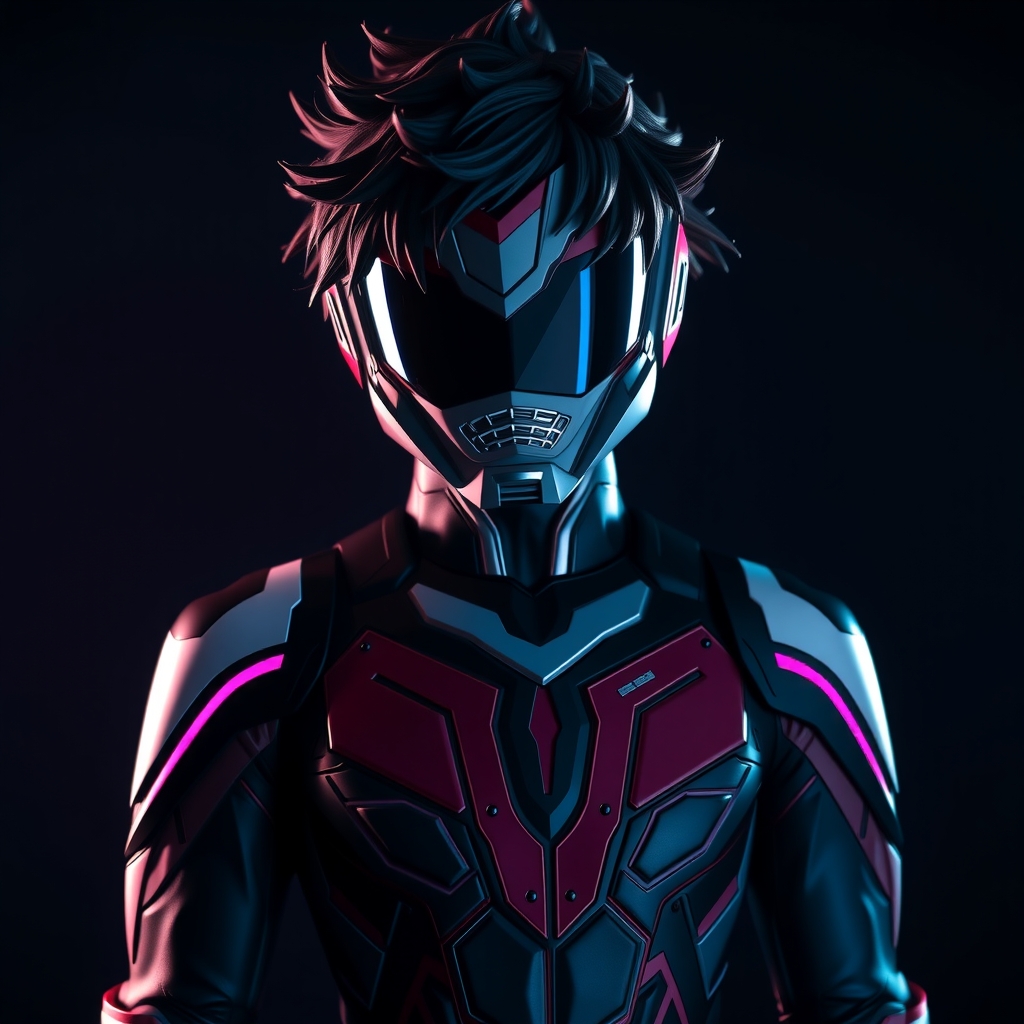
Introduction to My Hero Academia Cosplay
My Hero Academia, a popular anime and manga series, has taken the world by storm with its unique blend of superhero elements and high school life. The series' vibrant characters, exciting storylines, and detailed hero suits have inspired countless fans to create their own cosplay versions. In this guide, we'll focus on crafting realistic hero suits using fabric and foam, helping you bring your favorite My Hero Academia characters to life.
Understanding the Basics of Hero Suits
Before diving into the crafting process, it's essential to understand the characteristics of hero suits in My Hero Academia. These suits are designed to reflect the personality, abilities, and Quirk (superpower) of each hero. They often feature bold colors, dynamic designs, and protective gear. To create an authentic hero suit, you'll need to research your chosen character's design, taking note of the materials, textures, and details used.
Choosing the Right Materials
When it comes to crafting hero suits, two primary materials are used: fabric and foam. Fabric is ideal for creating the main body of the suit, while foam is better suited for adding details, such as logos, emblems, and protective gear.
- Fabrics: Consider using a combination of cotton, polyester, or spandex to achieve the desired texture and flexibility. For example, a cotton-polyester blend can provide a durable and easy-to-clean surface, while spandex can add stretchiness for a more dynamic look.
- Foam: You can use various types of foam, such as Worbla, Wonderflex, or EVA foam, to create details and add depth to your suit. Each type of foam has its own unique properties, so experiment to find the one that works best for your project.
Pattern Making and Fabric Construction
To create a well-fitted hero suit, you'll need to make a pattern or use an existing one. You can use paper or digital tools, such as Adobe Illustrator, to create a template. When working with fabric, consider the following techniques:
- Cutting: Use scissors or a craft knife to cut out your fabric pieces, making sure to leave a 1/4 inch seam allowance.
- Sewing: Use a sewing machine or do it by hand, depending on the complexity of the design and your personal preference.
- Finishing seams: Use a serger or zigzag stitch to prevent fraying and give your suit a professional finish.
Adding Foam Details and Embellishments
Foam details can elevate your hero suit from basic to exceptional. Here's how to work with foam:
- Shaping: Use heat, such as a heat gun or hair dryer, to shape and mold your foam into the desired form.
- Attaching: Use adhesives, such as hot glue or epoxy, to attach foam details to your fabric suit.
- Finishing: Sand and paint your foam details to achieve a smooth, realistic finish.
Additional Tips and Considerations
To take your My Hero Academia cosplay to the next level, keep the following tips in mind:
Conclusion
Creating a realistic My Hero Academia hero suit requires patience, creativity, and attention to detail. By mastering the techniques outlined in this guide, you'll be able to craft an authentic and impressive cosplay suit that showcases your favorite character's personality and style. Happy crafting!