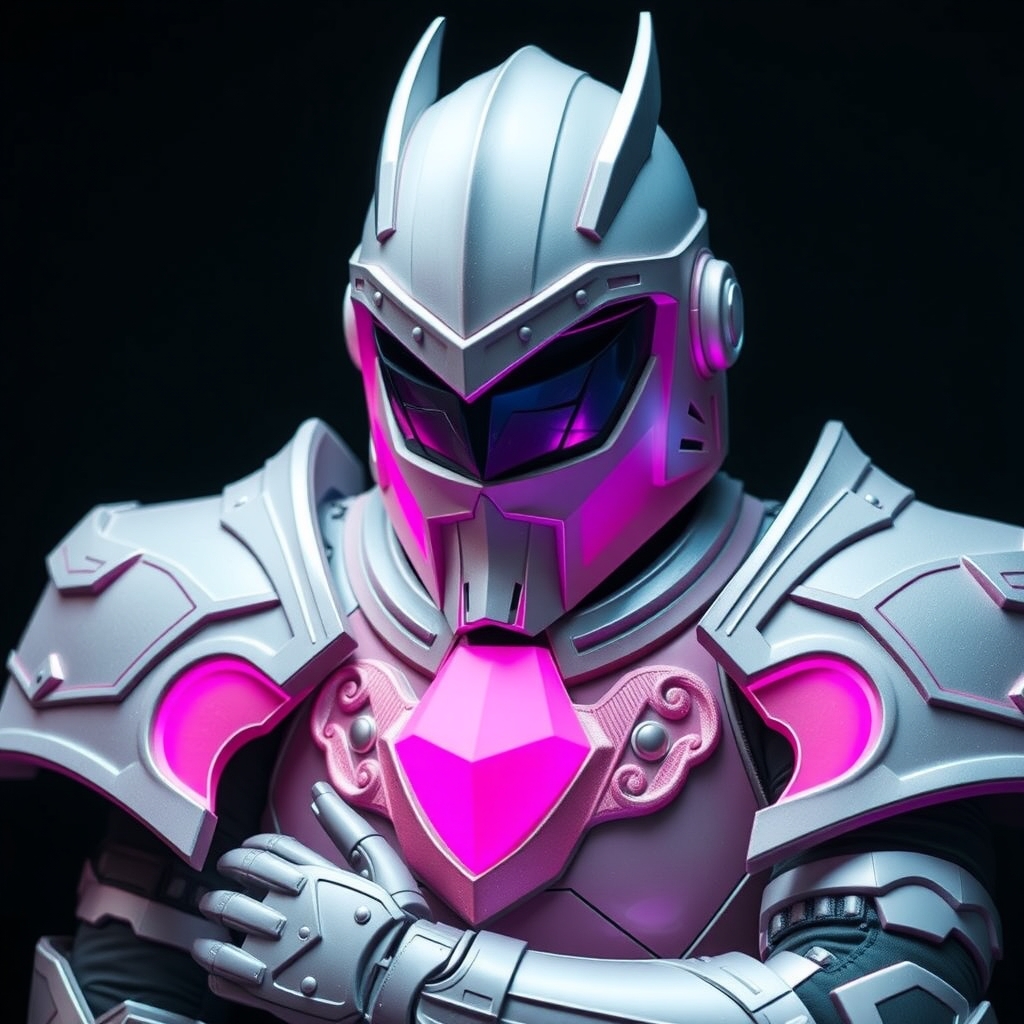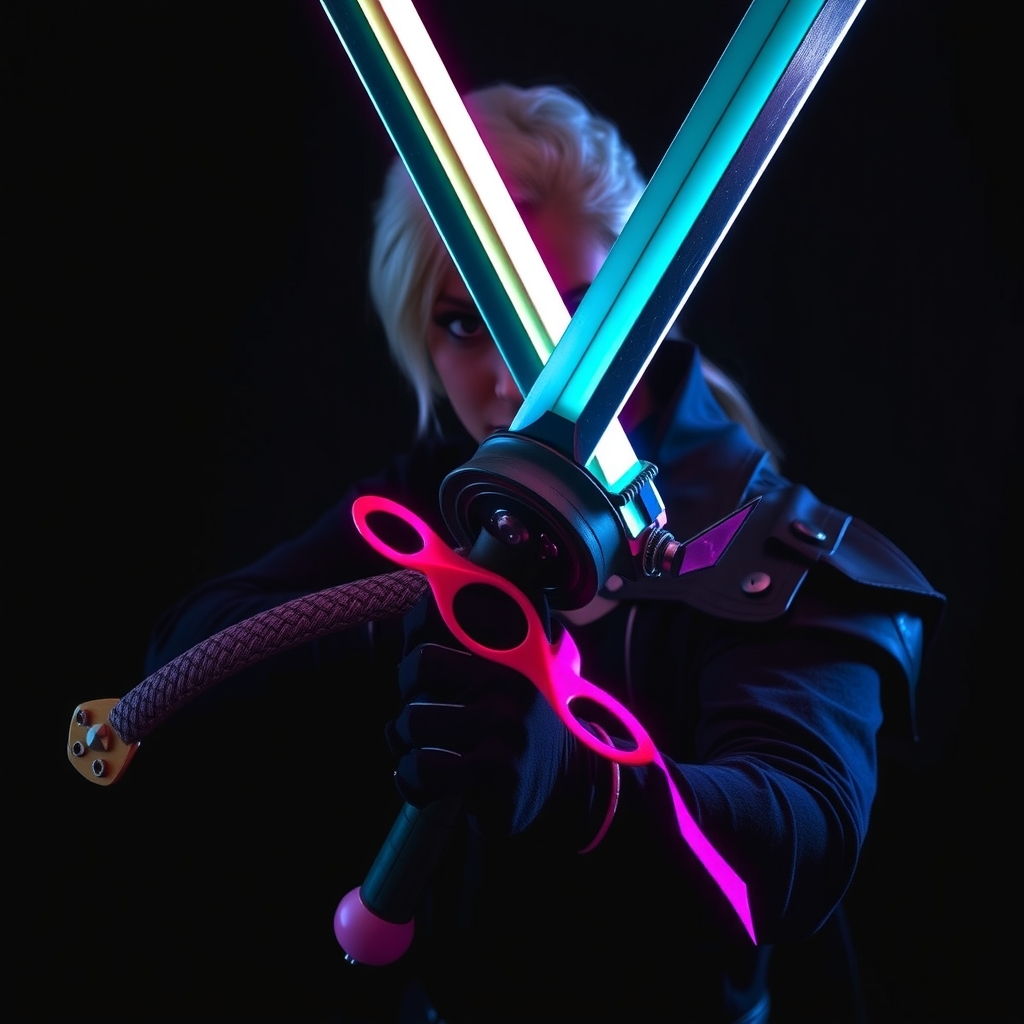

Introduction to Cinematic Cosplay Props
Cinematic cosplay has become increasingly popular, with fans striving to recreate the intricate details and realism found in movie and TV props. One of the key elements in achieving this level of authenticity is using advanced crafting techniques, such as 3D printing and resin casting. In this guide, we'll explore the world of cinematic cosplay props, providing you with practical tips and expert advice on how to create stunning, movie-quality props that will take your cosplay to the next level.
Designing Your Prop
Before diving into the crafting process, it's essential to have a solid design concept. Start by researching your character's prop, studying reference images from various angles, and taking note of intricate details. You can use software like Blender, Tinkercad, or Fusion 360 to create a 3D model of your prop. If you're not experienced in 3D modeling, consider reaching out to a fellow cosplayer or prop maker for assistance.
When designing your prop, consider the following factors:
- Scale: Ensure your prop is proportional to the character's costume and surroundings.
- Material: Choose materials that are suitable for 3D printing and resin casting, taking into account durability and weight.
- Details: Incorporate intricate details, such as textures, logos, or patterns, to add realism to your prop.
3D Printing for Cosplay Props
3D printing has revolutionized the prop-making process, allowing for rapid prototyping and complex geometries. When 3D printing your prop, consider the following:
- Layer height: Adjust the layer height to achieve the desired level of detail and surface finish.
- Support material: Use support material to prevent sagging or collapsing of overhanging features.
- Post-processing: Remove support material, sand, and apply a finish to achieve a smooth surface.
Popular 3D printing materials for cosplay props include PLA, ABS, and PETG. Each material has its own strengths and weaknesses, so be sure to research and choose the best option for your project.
Resin Casting for Cosplay Props
Resin casting is a versatile technique for creating detailed, high-quality props. The process involves creating a mold, pouring resin into it, and allowing it to cure. To achieve professional-looking results, follow these tips:
- Mold making: Use a high-quality mold material, such as silicone or polyurethane, to ensure a smooth finish.
- Resin selection: Choose a resin suitable for your prop's intended use, considering factors like durability and flexibility.
- Post-curing: Sand and apply a finish to your cast prop to achieve a high-gloss finish.
Finishing Touches: Painting and Weathering
Once your prop is printed or cast, it's time to add the finishing touches. Painting and weathering can make or break the realism of your prop. Study reference images to determine the correct colors and weathering patterns for your character's prop.
When painting, use a combination of acrylic and enamel paints to achieve a durable, long-lasting finish. Apply thin coats, allowing each layer to dry before adding additional details.
Weathering techniques, such as drybrushing, washes, and edge highlighting, can add depth and realism to your prop. Experiment with different techniques to achieve the desired level of wear and tear.
Conclusion and Resources
Crafting cinematic cosplay props with 3D printing and resin casting requires patience, practice, and attention to detail. By following these tips and techniques, you'll be well on your way to creating movie-quality props that will elevate your cosplay game.
For further learning, consider checking out online resources, such as prop-making forums, YouTube tutorials, and social media groups dedicated to cosplay and prop making. Some recommended resources include:
- Thingiverse: A community-driven 3D model repository.
- Cosplay.com: A comprehensive cosplay community with tutorials and resources.
- Prop Making Forum: A dedicated forum for prop makers and cosplayers.