
Introduction to Video Game-Inspired Cosplay
Video game-inspired cosplay has become increasingly popular, with fans worldwide showcasing their creativity and skills by bringing virtual characters and worlds to life. One of the key elements that set video game cosplay apart is the use of advanced crafting techniques, such as 3D printing and resin casting. In this guide, we'll explore the basics of using these technologies to create stunning, game-inspired cosplay pieces.
Understanding 3D Printing and Resin Casting
Before diving into the world of 3D printing and resin casting, it's essential to understand the basics of these technologies. 3D printing involves creating physical objects from digital designs by layering materials such as plastics, metals, or ceramics. Resin casting, on the other hand, involves creating objects by pouring liquid resin into a mold, which then hardens to form a solid piece.
3D Printing for Cosplay
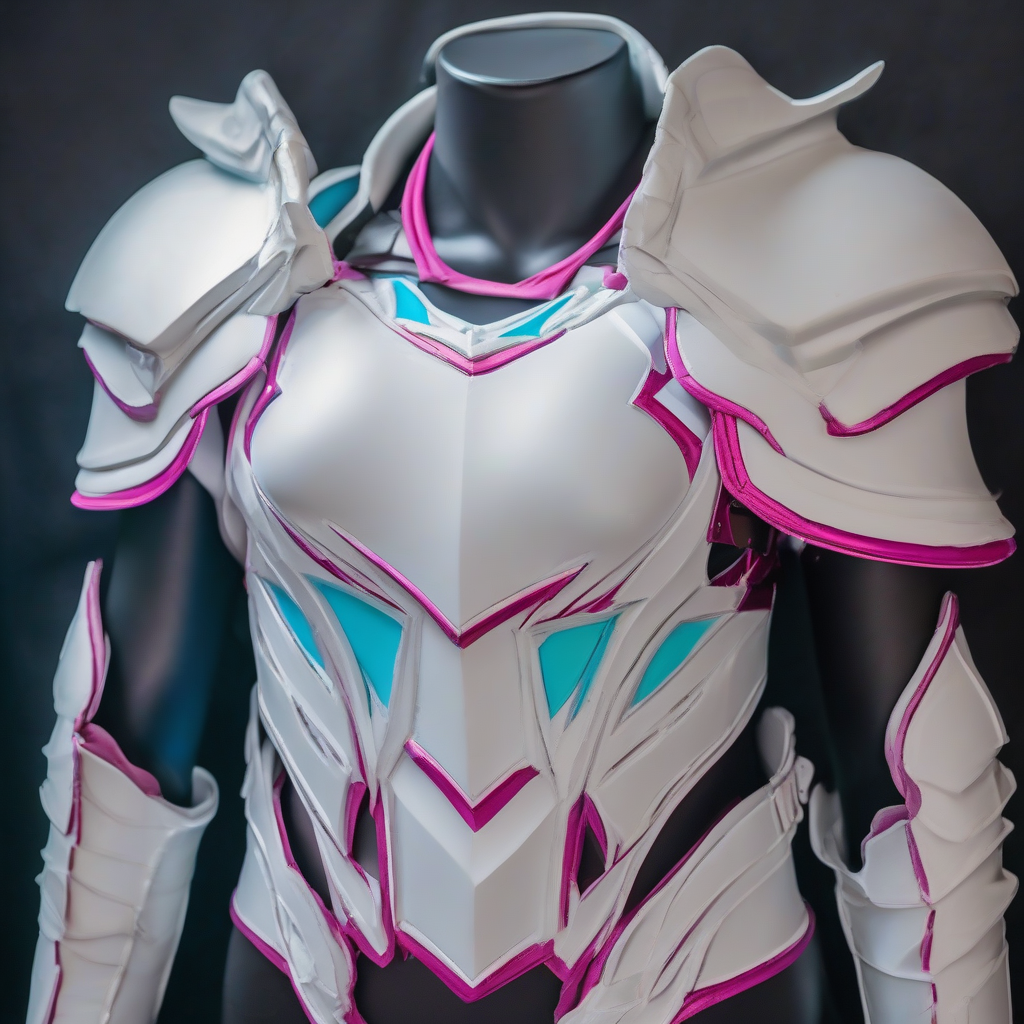
3D printing is a versatile technology that can be used to create a wide range of cosplay pieces, from intricate props to detailed armor components. To get started with 3D printing, you'll need:
- A 3D printer: There are several types of 3D printers available, including Fused Deposition Modeling (FDM), Stereolithography (SLA), and Selective Laser Sintering (SLS) printers.
- 3D modeling software: This is used to create digital designs for your cosplay pieces. Popular options include Blender, Tinkercad, and Fusion 360.
- 3D printing materials: Depending on your printer and project requirements, you may need to choose from a variety of materials, such as PLA, ABS, or PETG.
Resin Casting for Cosplay
Resin casting is a popular technique for creating detailed, high-quality cosplay pieces, such as props, jewelry, or decorative components. To get started with resin casting, you'll need:
- A resin: There are several types of resin available, including epoxy, polyurethane, and acrylic resins.
- A mold: This can be created using silicone, 3D printing, or other materials.
- A mixing cup and stir stick: For accurately mixing and applying the resin.
- Personal protective equipment: Gloves, goggles, and a mask are essential for working safely with resin.
Designing and Preparing Your Cosplay Piece
Before you start 3D printing or resin casting, it's crucial to have a clear design concept and plan. Here are some steps to follow:
- Reference gathering: Collect reference images of the video game character or prop you want to recreate.
- Sketching and concepting: Create sketches and concept art to visualize your design.
- 3D modeling: Use 3D modeling software to create a digital model of your design.
- Scaling and optimization: Ensure your design is scaled correctly and optimized for 3D printing or resin casting.
Tips and Tricks for Successful 3D Printing and Resin Casting
Here are some additional tips to help you achieve success with 3D printing and resin casting:
- Start small: Begin with simple projects and gradually move on to more complex ones.
- Practice safety: Always follow safety guidelines when working with 3D printing and resin casting equipment.
- Join a community: Connect with other cosplayers and makers to learn from their experiences and share your own knowledge.
- Be patient: 3D printing and resin casting can be time-consuming processes, so be prepared to invest time and effort into your projects.
Finishing and Painting Your Cosplay Piece
Once you've created your cosplay piece using 3D printing or resin casting, it's time to add the finishing touches. This may involve:
- Sanding and smoothing: Removing any rough edges or burrs from the surface of your piece.
- Painting and finishing: Adding color and texture to your piece using paint, markers, or other materials.
- Assembly and installation: Attaching multiple components together or installing your piece onto a costume or prop.
For more information on 3D printing and resin casting, check out online resources such as Thingiverse and Instructables, which offer a wealth of tutorials, guides, and community-driven projects.