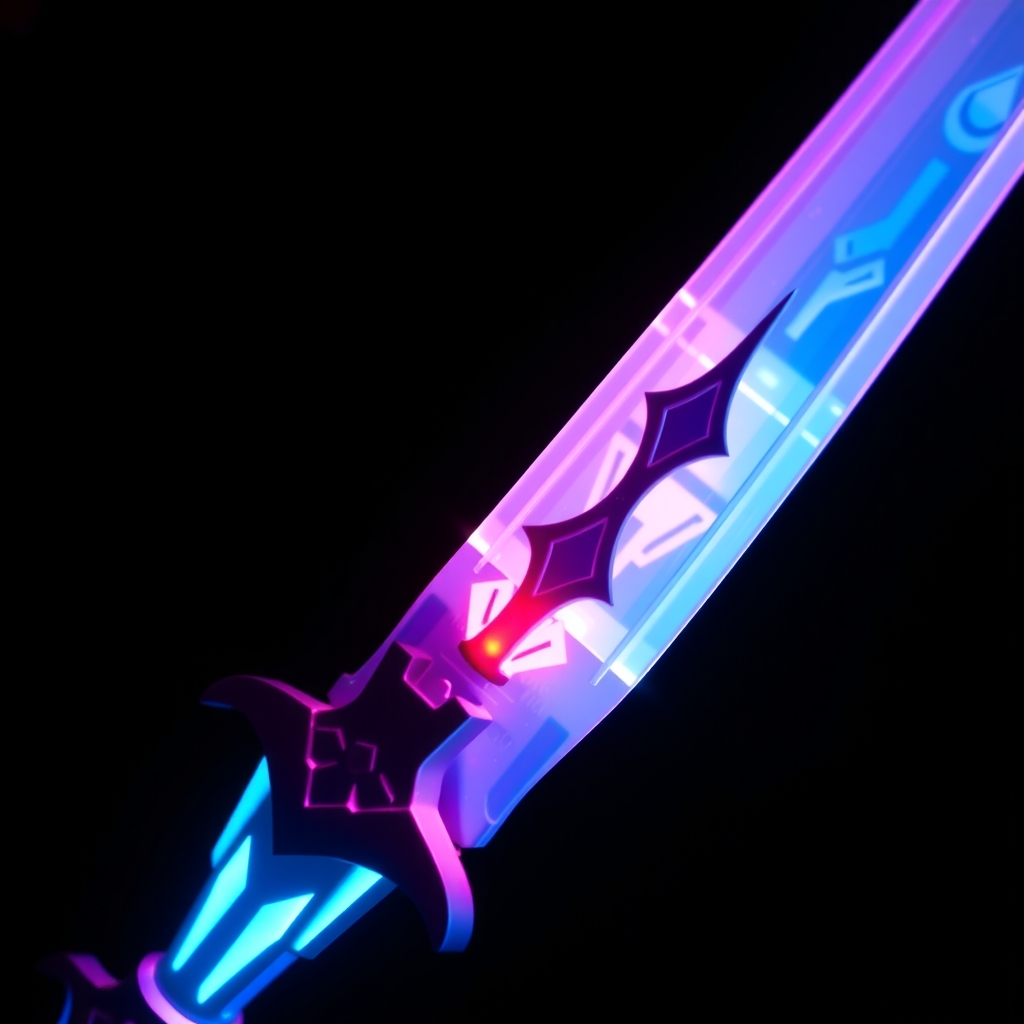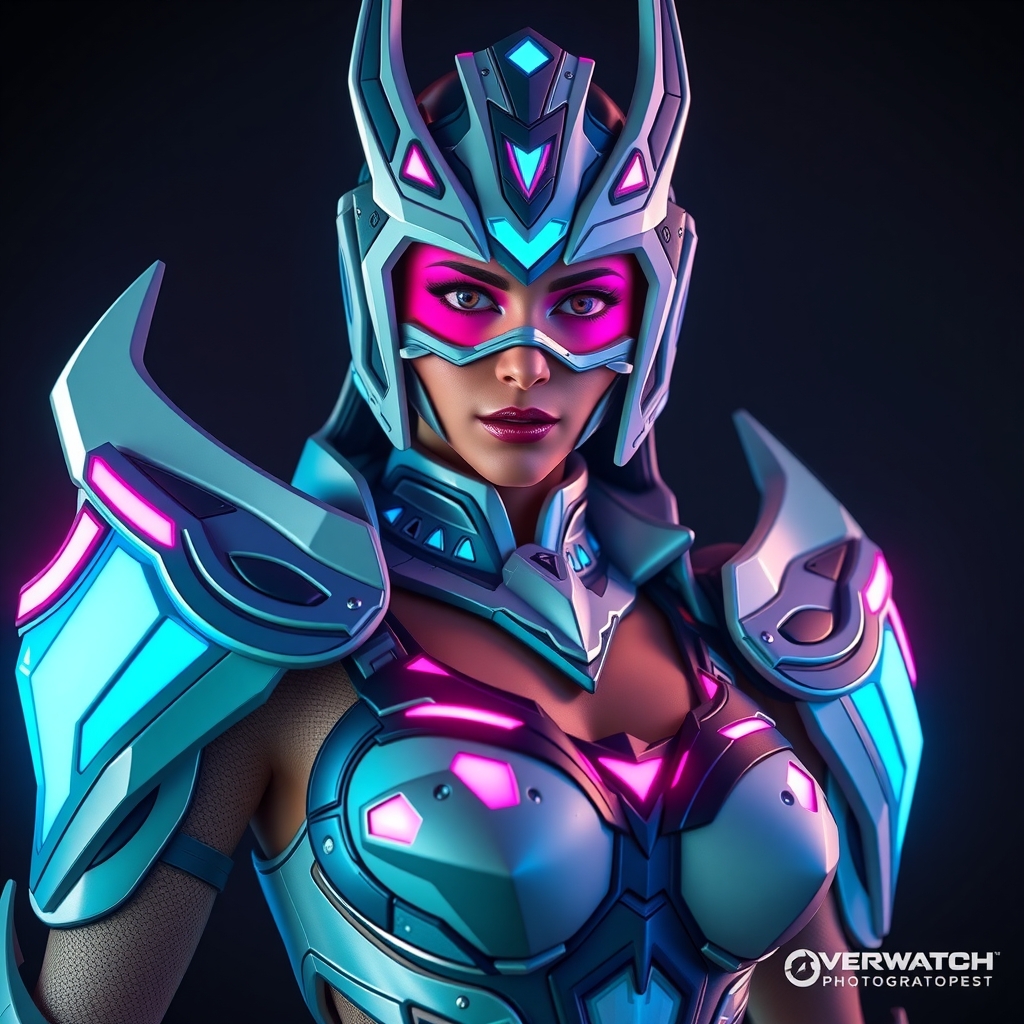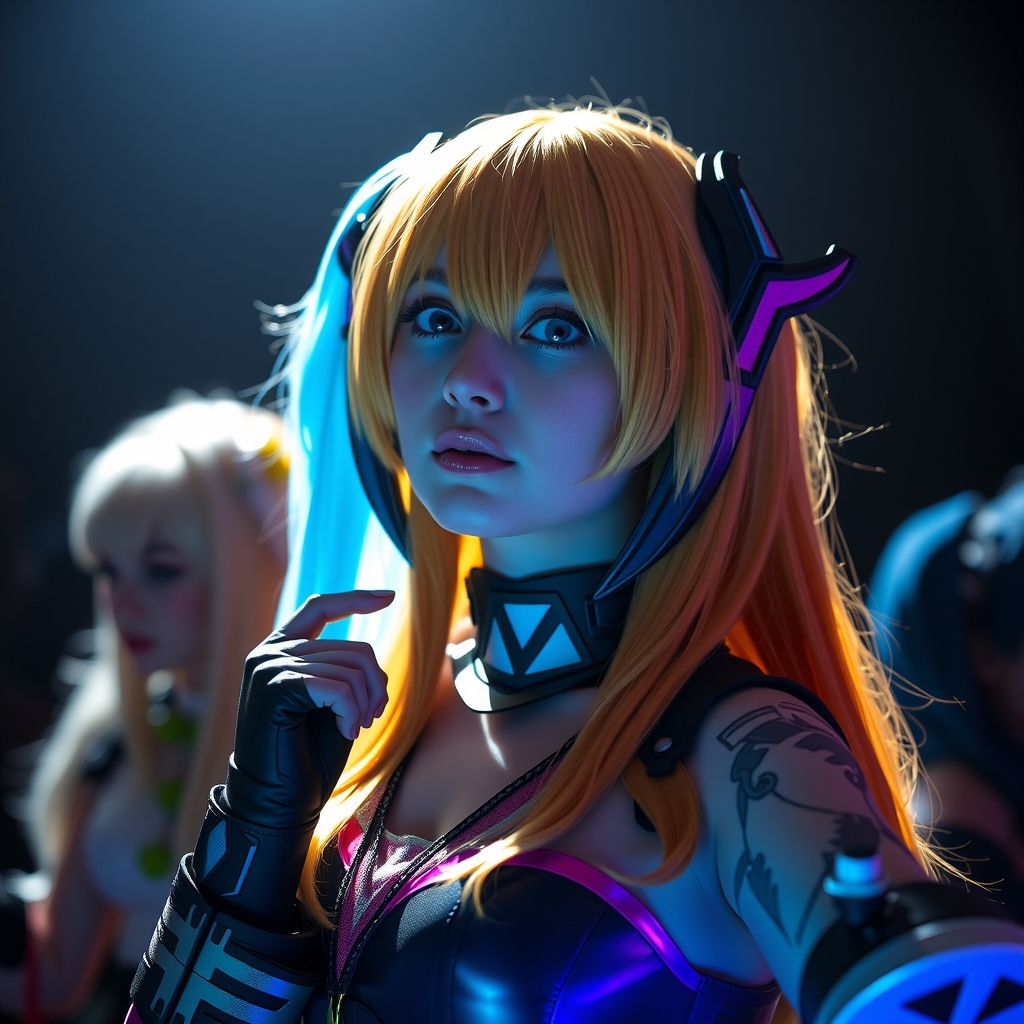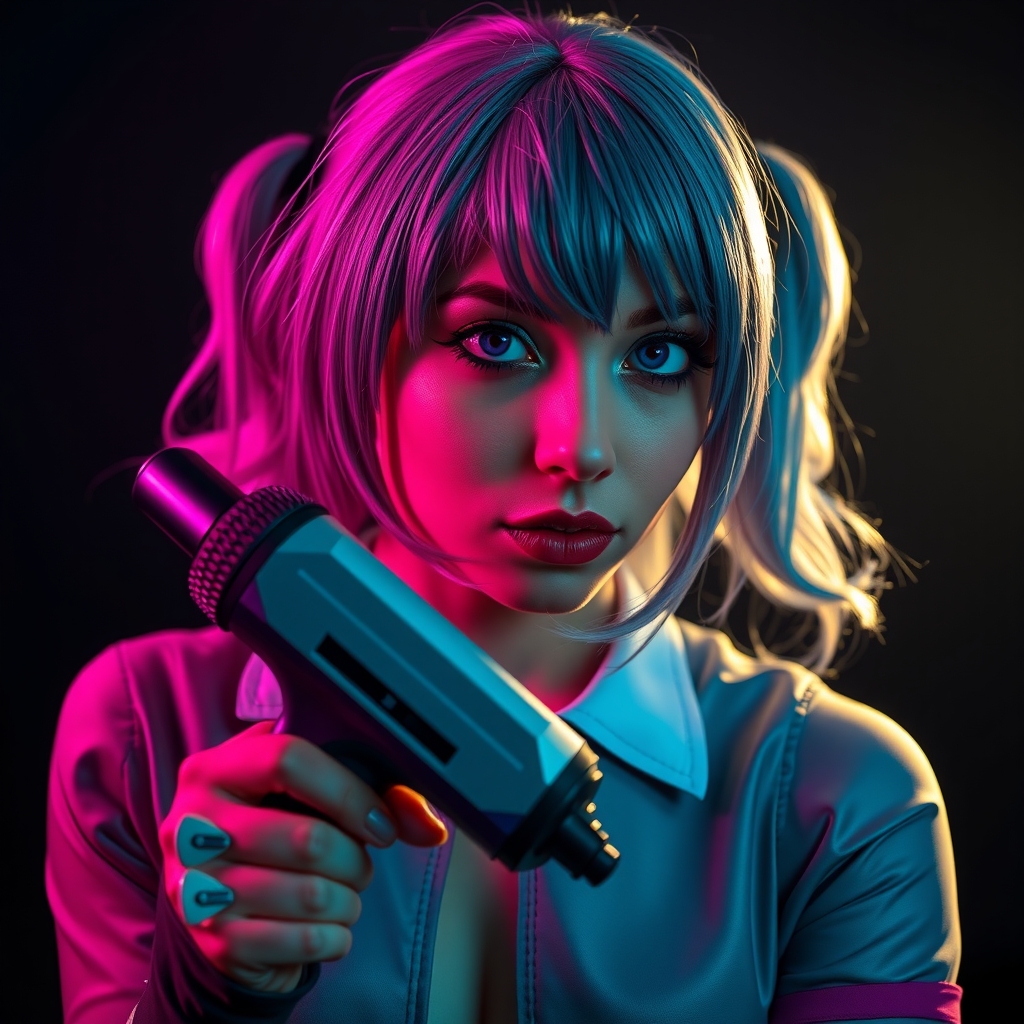
Introduction to VTuber Cosplay and 3D Modeling
VTubers, short for virtual YouTubers, have taken the world by storm with their unique blend of virtual personas, entertaining content, and engaging personalities. As a cosplayer, bringing these digital characters to life can be a thrilling challenge. One of the key aspects of creating an accurate VTuber cosplay is replicating their character model. With the advancements in 3D printing and resin casting, achieving high precision and detail has become more accessible. In this guide, we'll walk you through the process of creating accurate VTuber character models using 3D printing and resin casting.
Understanding VTuber Character Models
Before diving into the creation process, it's essential to understand the characteristics of VTuber character models. These models typically feature distinctive facial features, hairstyles, and outfits that set them apart. Researching and gathering reference images of your chosen VTuber is crucial to ensure accuracy. You can find official character designs, fan art, and 3D model renders online. Take note of the proportions, facial expressions, and intricate details that make the character unique.
Step 1: 3D Modeling and Design
The first step in creating a VTuber character model is designing the 3D model. You can use software like Blender, Maya, or 3ds Max to create the model from scratch or modify existing models. If you're new to 3D modeling, consider using pre-made models or commissioning a professional 3D artist. Ensure that the model is optimized for 3D printing, with a suitable level of detail and watertight geometry.
Step 2: 3D Printing
Once you have your 3D model, it's time to print it. You can use various 3D printing technologies, such as FDM (Fused Deposition Modeling), SLA (Stereolithography), or SLS (Selective Laser Sintering). For high-detail models, SLA or SLS printing is recommended. Choose a suitable printer and resin or filament material, considering factors like durability, flexibility, and finish.
- FDM Printing: Suitable for larger models, FDM printing uses melted plastic to create the model layer by layer.
- SLA Printing: Ideal for high-detail models, SLA printing uses a laser to cure liquid resin, producing a highly accurate and smooth finish.
- SLS Printing: This process uses a laser to fuse together particles of a powdered material, creating a strong and detailed model.
Step 3: Post-Processing and Resin Casting
After printing, the model may require post-processing, including sanding, painting, or applying a finish coat. For a more realistic look, consider resin casting. Mix the resin according to the manufacturer's instructions, and pour it into a mold or apply it to the printed model. You can also add additional details, like eyelashes or accessories, using resin or other materials.
- Resin Mixing: Combine the resin and hardener according to the manufacturer's instructions, taking care to avoid bubbles and ensure a smooth mix.
- Casting: Pour the mixed resin into a mold or apply it to the model, allowing it to cure and harden.
- Finishing: Sand and polish the cast model to achieve a high-gloss finish.
Tips and Tricks for Achieving Accuracy
To ensure accuracy, pay attention to the following:
- Reference Images: Gather a collection of high-quality reference images to guide your modeling and printing process.
- Scale and Proportion: Double-check the proportions and scale of your model to ensure it matches the character's design.
- Details and Texture: Add intricate details and textures to enhance the model's realism and authenticity.
Conclusion and Future Developments
Creating accurate VTuber character models using 3D printing and resin casting requires patience, attention to detail, and practice. By following this guide, you'll be well on your way to elevating your VTuber cosplay game. As technology continues to advance, we can expect to see even more innovative methods for creating character models. Stay up-to-date with the latest developments in 3D printing and resin casting to take your cosplay to the next level.
For further learning and inspiration, explore online communities, forums, and social media platforms dedicated to 3D modeling, cosplay, and VTubers. Share your creations and learn from others to continually improve your skills.