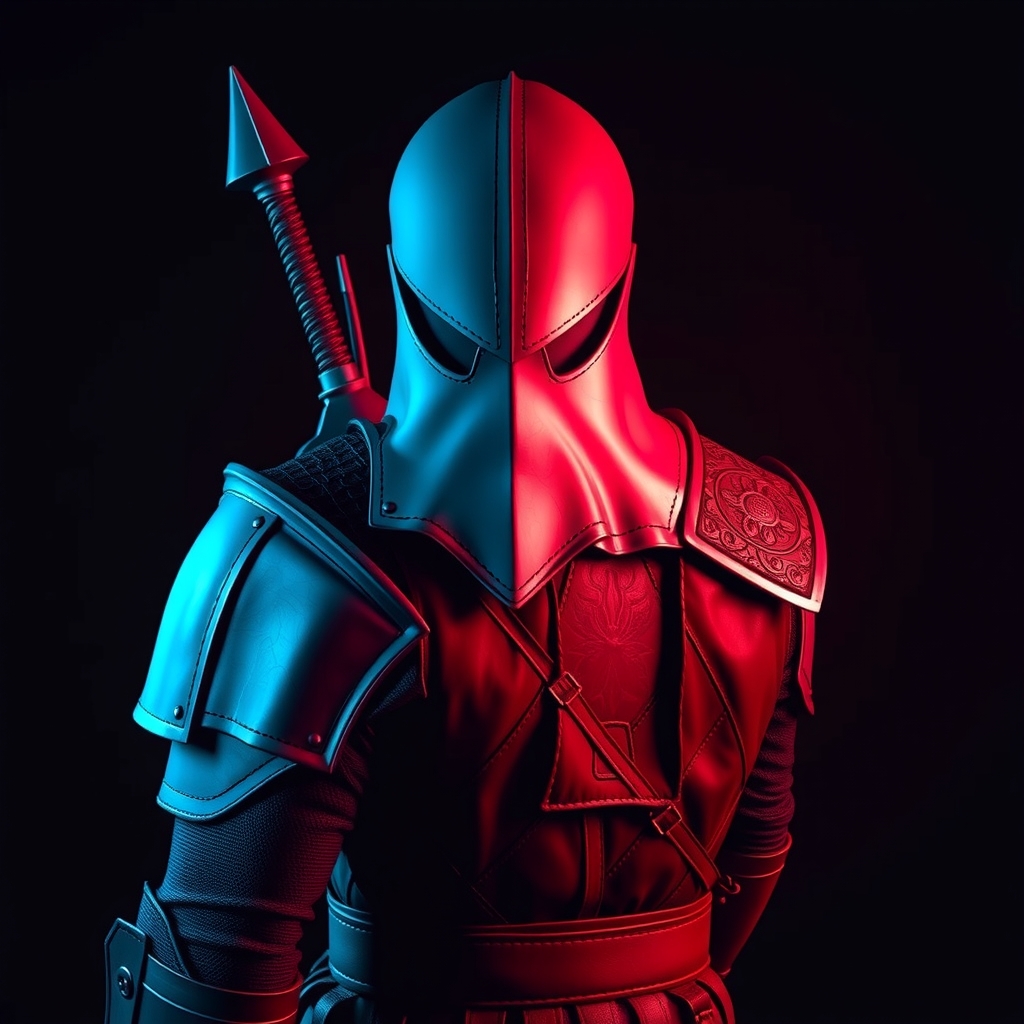
Introduction to Wearable Armor Crafting
Crafting wearable armor for cosplay requires a blend of creativity, skill, and knowledge of materials. In this guide, we'll explore how to create combat-ready armor pieces inspired by The Witcher, using Worbla and foam. These materials offer a great balance between durability, flexibility, and ease of use, making them ideal for cosplayers who want to create screen-accurate and wearable armor.
Materials and Tools Needed
- Worbla: A thermoplastic material used for creating rigid and flexible parts
- Foam: A versatile material used for creating shapes and structures
- Heat gun: A tool used to shape and mold Worbla
- Hot wire cutter: A tool used to cut foam
- Adhesives: Various adhesives used to bond Worbla and foam together
- Paint and finishing materials: Used to add color and texture to the armor
Designing and Pattern Making
Before starting the crafting process, it's essential to design and create patterns for your armor pieces. You can use reference images from The Witcher to get an idea of the shape, size, and details of the armor. Software like Adobe Illustrator or Autodesk Fusion 360 can be used to create digital patterns, or you can draw them by hand.
When creating patterns, consider the following factors:
- Scale: Ensure that your patterns are proportional to the cosplayer's body
- Comfort: Consider the comfort and mobility of the cosplayer when wearing the armor
- Durability: Think about the durability of the materials and how they will withstand wear and tear
Working with Worbla
Worbla is a versatile thermoplastic material that can be used to create rigid and flexible parts. To work with Worbla, follow these steps:
- Prepare your pattern: Use a digital or hand-drawn pattern to cut out the Worbla
- Cut out the Worbla: Use scissors or a craft knife to cut out the Worbla
- Shape the Worbla: Use a heat gun to shape and mold the Worbla into the desired form
- Bond the Worbla: Use adhesives to bond multiple pieces of Worbla together
Working with Foam
Foam is a lightweight and versatile material that can be used to create shapes and structures. To work with foam, follow these steps:
- Prepare your pattern: Use a digital or hand-drawn pattern to cut out the foam
- Cut out the foam: Use a hot wire cutter or a craft knife to cut out the foam
- Shape the foam: Use sandpaper or a Dremel to shape and smooth out the foam
- Bond the foam: Use adhesives to bond multiple pieces of foam together
Assembly and Finishing
Once you have created the individual parts of your armor, it's time to assemble and finish them. Use adhesives to bond the Worbla and foam together, and add details such as straps, buckles, or rivets.
To add a realistic look to your armor, use paint and finishing materials such as:
- Primer: A coat of primer helps to create a smooth surface for painting
- Paint: Use acrylic or enamel paint to add color and details to the armor
- Clear coat: A clear coat protects the paint and adds a glossy finish
Tips and Variations
To create a more realistic and durable armor, consider the following tips and variations:
- Add weathering: Use paint and washes to add weathering effects to the armor
- Use different materials: Experiment with different materials, such as leather or fabric, to add texture and realism to the armor
- Pay attention to proportions: Ensure that the armor is proportional to the cosplayer's body
Conclusion
Crafting wearable armor for cosplay requires patience, skill, and attention to detail. By using Worbla and foam, you can create durable, wearable, and screen-accurate armor pieces inspired by The Witcher. With practice and experience, you can master the techniques and materials needed to create stunning and combat-ready armor.